Pick moisture-proof, space-smart pieces that match your layout, style, and budget.
At home and while traveling with my partner, Linda, I look for the same things in a bathroom: practical storage, easy movement, and a calm feel. In this guide, I’ll explain How To Choose Furniture For A Bathroom, starting with accurate measurements, moisture-resistant materials, and everyday needs. I’ll share clear steps and practical examples to help you compare options, avoid costly mistakes, and choose furniture that fits your space and budget.
Assess Your Bathroom: Size, Layout, and Use
Before you browse, measure. Map walls, windows, pipes, and outlets. Note door and shower swings. Mark where water splashes. This simple sketch guides every buy.
Think about who uses the room. A shared family bath needs tough storage and easy access. A powder room needs less storage but more style. This is the start of how to choose furniture for a bathroom with no stress.
Key checks:
- Measure width, depth, and height at floor and wall. Walls are not always straight.
- Plan clearances. Leave room to stand and open drawers. Many codes call for at least 21 inches clear in front of a vanity.
- Spot wet zones. Keep wood away from direct spray unless sealed well.
- Track traffic. Leave at least 30 inches for a comfy path when you can.
Pro note: I always trace door and drawer arcs on the floor plan. It has saved me from blocked drawers more than once.
Choose the Right Materials for Moisture and Durability
Moisture is the real boss in a bath. Pick materials that can take steam and splashes.
Better choices:
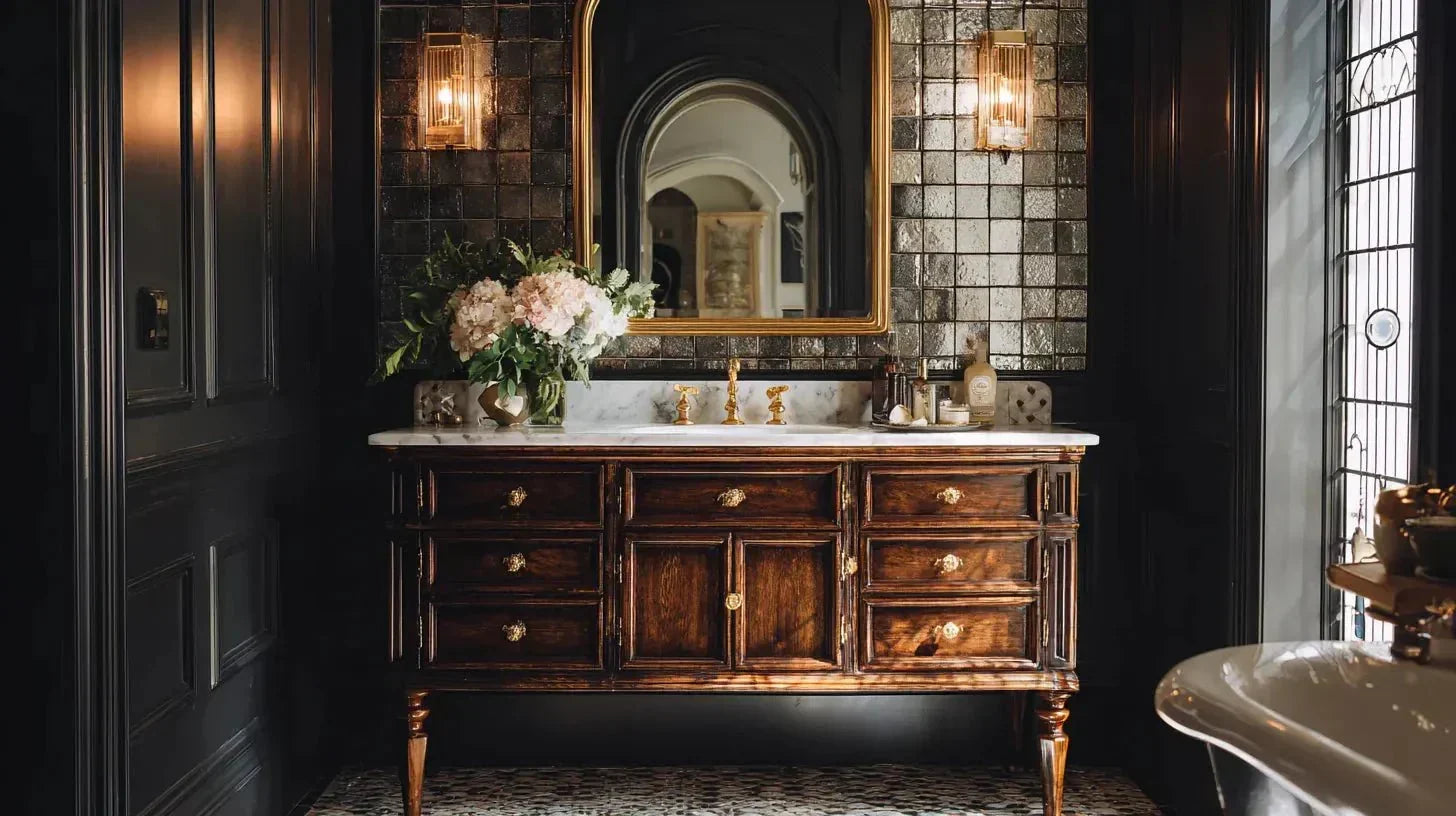
- Plywood boxes. Stable and strong when sealed at edges.
- Solid wood with a marine or furniture-grade finish.
- PVC or HDPE cabinets in high splash zones.
- Quartz, porcelain, solid surface, or sealed stone tops.
- Stainless steel, brass, or aluminum hardware.
Risky choices:
- Raw MDF or particleboard. They swell if water gets in. If you must use them, all edges need sealers and a good finish.
- Cheap laminates with weak glue lines.
Hardware and finishes:
- Choose stainless 304/316, solid brass, or zinc with quality plating.
- Use damp-rated finishes and rust-proof screws.
In my own remodel, an MDF vanity puffed at the base after a slow leak. I switched to a sealed plywood vanity with a quartz top. It has held up for years. This is a key lesson in how to choose furniture for a bathroom that lasts.
Storage That Works: Vanities, Cabinets, and Shelves
Storage should match your stuff, not the other way around. Empty a drawer at home and list what you keep. Buy to fit that list.
Vanities
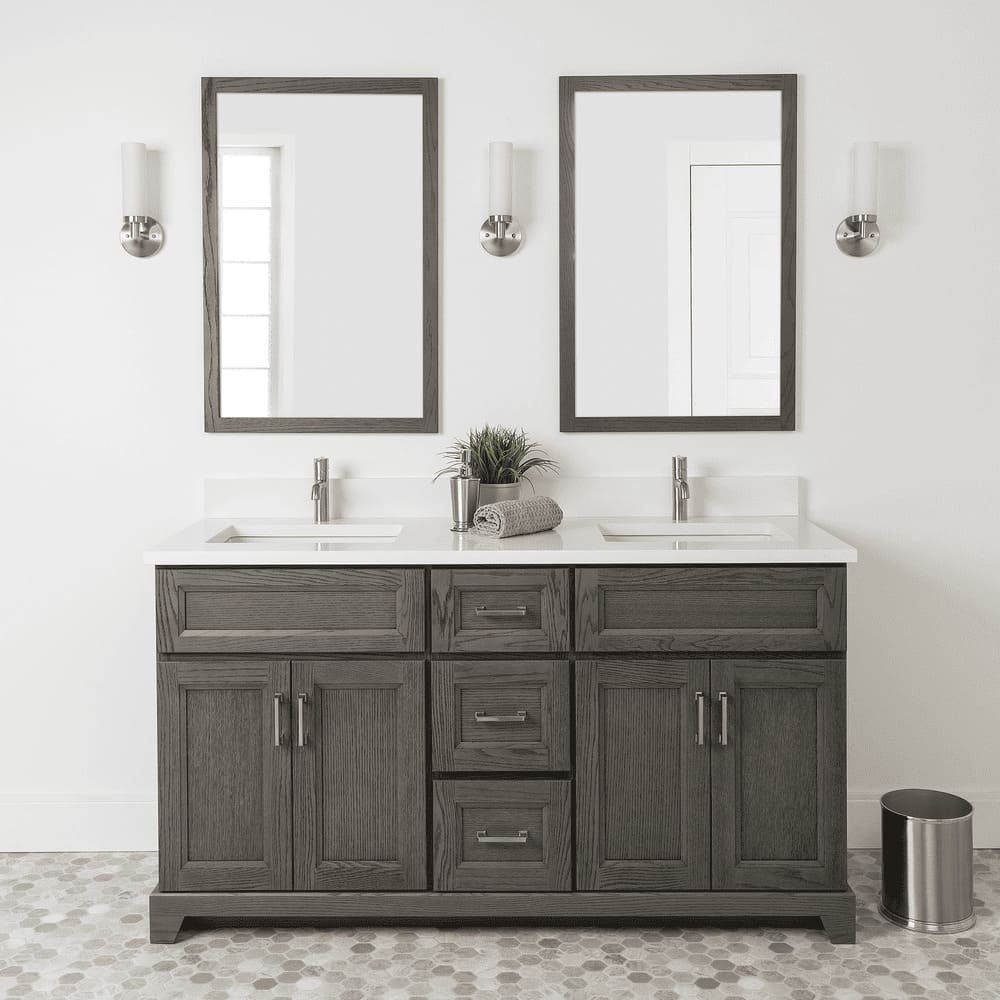
- Drawers beat doors for daily items. They show all contents at once.
- Go for deep drawers with U-cuts around the drain or offset plumbing.
- floating vanities make small rooms feel larger and ease floor cleaning.
Cabinets and Shelves
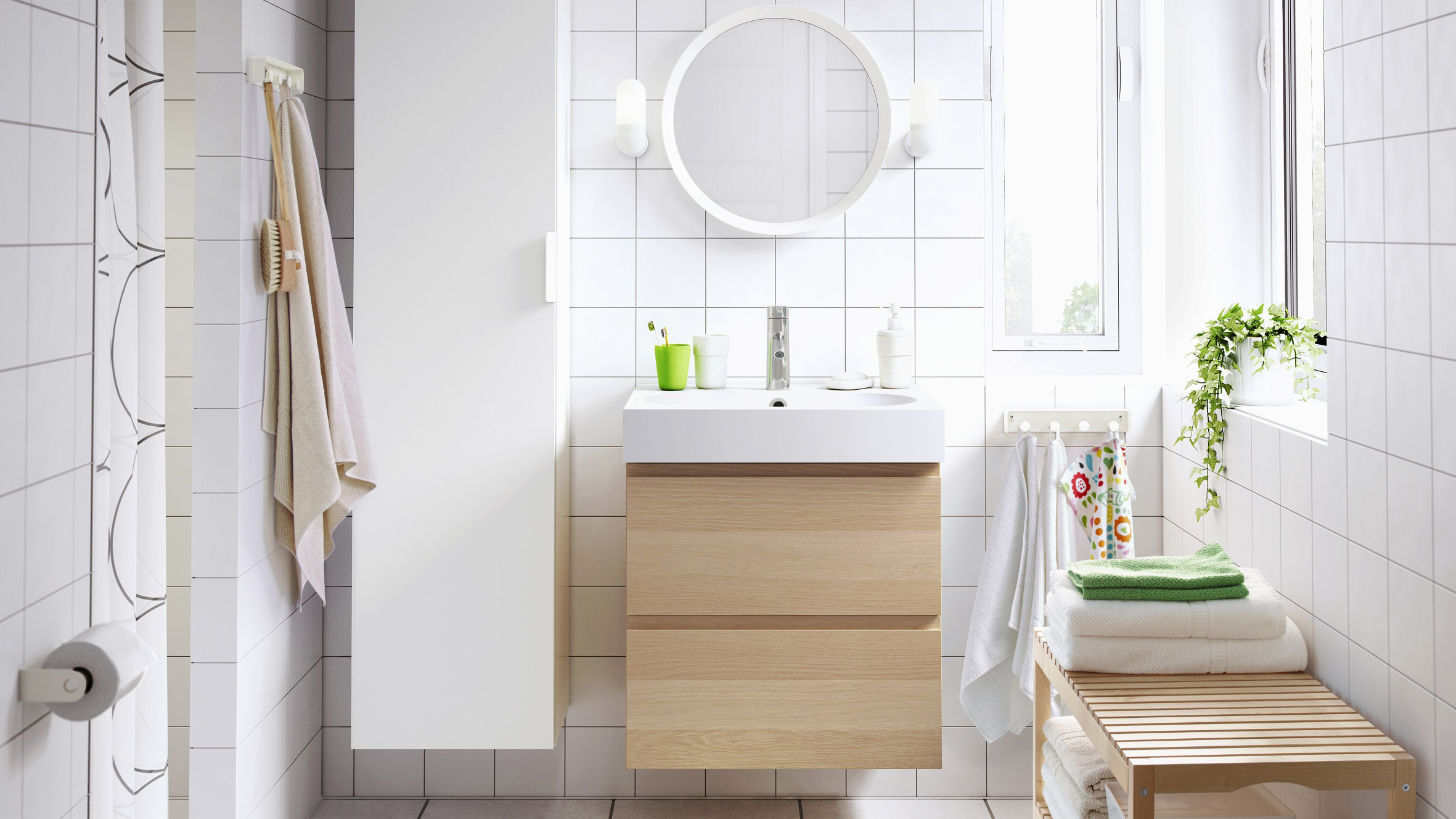
- Add a tall tower for towels if space allows.
- Use niche shelves above the toilet for light storage.
- Choose mirrored medicine cabinets for hidden space and clean lines.
Planning tips:
- Keep heavy items waist high. Keep daily items between eye and hip level.
- Use dividers, bins, and tip-out trays for tiny items.
- Soft-close slides and hinges protect finishes.
I put a 36-inch floating vanity and a 12-inch tower in a 5 by 8 bath. The floor felt bigger, and we gained real storage. This is a smart way for how to choose furniture for a bathroom in tight spaces.
Style and Cohesion: Design, Color, and Hardware
Pick a clear style. Modern, classic, coastal, or spa-like. Keep the palette tight.
Simple rules:
- Stick to two or three metal finishes. For example, brass and black, or chrome and nickel.
- Use one dominant tone for cabinets. Add texture with the top and mirror.
- Repeat shapes. Arched mirror with curved pulls. Square mirror with bar pulls.
Balance form and function:
- Textured wood warms cool tile.
- Slim legs make small rooms feel light.
- Flat fronts look clean but show smudges. Consider a soft grain to hide them.
When I guide clients on how to choose furniture for a bathroom, I build a small board of samples. Tile, paint, top, pull, and door finish. If they all sing together on the board, they will sing in the room.
Function and Ergonomics: Comfort and Access
Good fit equals daily comfort. Size and reach matter.
Key dimensions:
- Vanity height. 34 to 36 inches suits most adults. Around 32 to 34 inches for kids’ baths.
- Depth. 18 to 21 inches for small rooms. 22 inches is standard for roomy baths.
- Toe kick. 3 to 4 inches deep and 4 inches high helps you stand close.
Access and ease:
- D-shaped pulls are easy to grab with wet hands.
- Soft-close hardware cuts noise and wear.
- Rounded edges on tops reduce hip bumps.
For aging or universal design:
- Floating units can give knee space.
- Lever handles help weak grip.
- Aim for clear floor space in front of the sink. Check local rules if you need ADA features.
These are core factors in how to choose furniture for a bathroom that feels good every day.
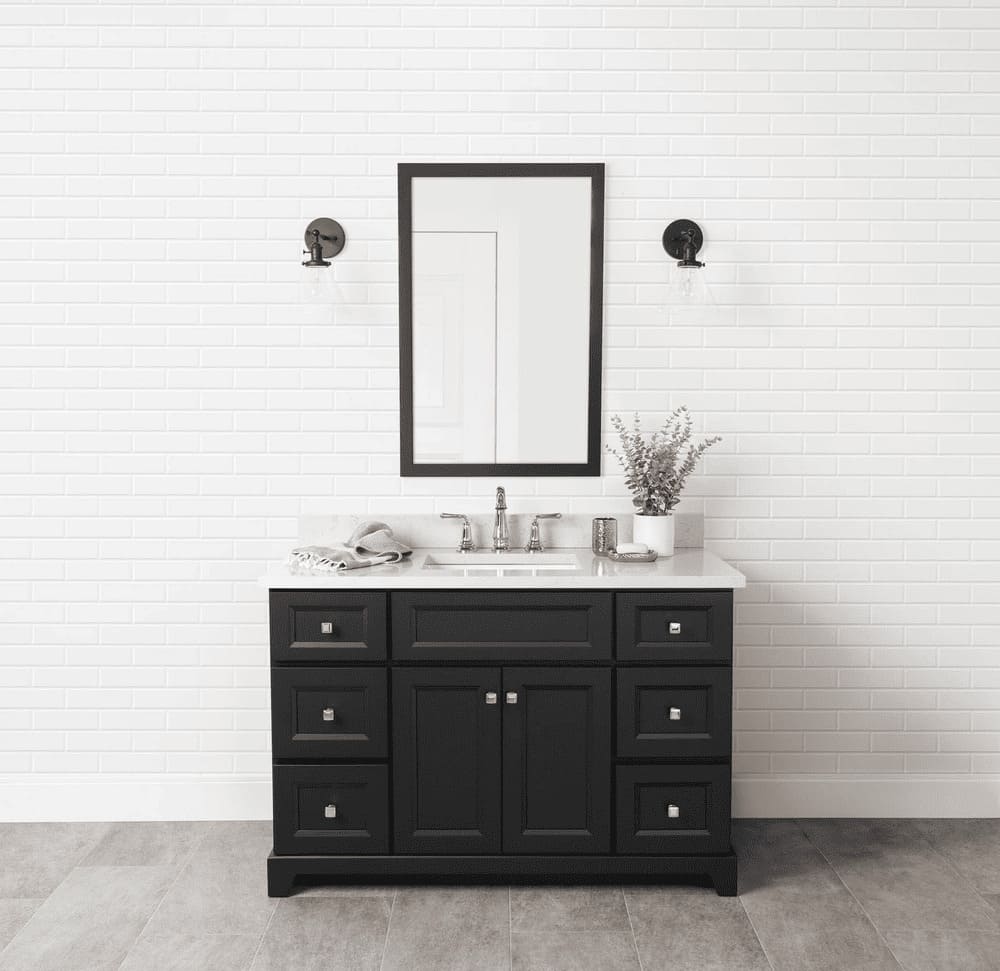
Ventilation, Lighting, and Electrical Planning
Furniture fails fast in stale, wet air. Plan the air and light first.
Ventilation:
- Size the fan at about 1 CFM per square foot as a rule of thumb.
- Run the fan during showers and for at least 20 minutes after.
- Leave a gap under the door or a transfer grille for airflow.
Lighting:
- Use damp- or wet-rated fixtures near showers.
- Blend task light at the mirror with soft ceiling light.
- Aim for light at face level on both sides of the mirror to cut shadows.
Electrical:
- Use GFCI outlets near the vanity, as codes require.
- Place outlets inside a cabinet for hair tools if safe and rated.
- Keep cords and power strips out of wet zones.
These checks protect your pieces and guide how to choose furniture for a bathroom that stands up to daily use.
Budget, Quality, and Sustainability
Set a budget by part. It keeps choices clear.
Spend more on:
- Vanity box and top. They take the most wear.
- Quality slides and hinges. Cheap ones sag and rust.
Save on:
- Open shelves instead of extra cabinets.
- Stock sizes over custom when the layout allows.
- Swapping pulls later to refresh the look.
Sustainable wins:
- FSC-certified wood or recycled content boards.
- Low-VOC paints and sealers for clean air.
- Greenguard Gold or similar for low emissions.
- Repairable parts and standard hardware.
This is where cost meets sense in how to choose furniture for a bathroom with long-term value.

Measuring and Installation: Get the Fit Right
A perfect buy can fail with poor install. Take time here.
Steps:
- Find studs. Anchor vanities and towers into solid framing.
- Scribe to walls. Use fillers or scribe strips to close gaps.
- Level first. Shim the base or adjust hangers before the top goes on.
- Seal edges. Use silicone at backsplashes and around bases to block splash.
Standard sizes help:
- Common vanity widths are 24, 30, 36, 48, 60, and 72 inches.
- Most tops have 1-inch overhangs. Plan clearances to doors and glass.
I once skipped a dry fit and a drawer hit the shower curb. Now I always tape the footprint and test swings. These small checks define how to choose furniture for a bathroom like a pro.
Maintenance and Longevity Tips
Care is simple and pays off.
Do this:
- Wipe spills fast. Water sitting at seams is the enemy.
- Clean with mild soap and water. Avoid harsh pads and strong bleach.
- Reseal stone tops once or twice a year if needed.
- Check and tighten pulls and hinges every six months.
- Re-caulk joints when they crack.
Do not do this:
- Do not hang wet towels over raw wood edges.
- Do not store dripping brushes in drawers without a tray.
Smart upkeep is part of how to choose furniture for a bathroom that stays new.
Common Mistakes to Avoid
Avoid these common traps.
- Buying by looks only. Fit and materials come first.
- Ignoring door and drawer arcs. Test every swing on the plan.
- Skipping ventilation upgrades. Furniture fails fast in damp air.
- Choosing the wrong depth. A deep vanity can choke a small room.
- Mixing too many finishes. Keep metals to two or three.
- Forgetting outlet placement. Hair tools need safe, near access.
- Neglecting splash zones. Seal seams and pick water-safe edges.
Each pitfall can undo the work you put into how to choose furniture for a bathroom that works.
Frequently Asked Questions
What furniture is best for a small bathroom?
Choose a floating vanity, a mirrored cabinet, and narrow shelves. These save floor space and keep storage within reach.
Is MDF okay in bathrooms?
Only if it is well sealed on all sides and edges. For longer life, choose sealed plywood or PVC in wet zones.
Should I choose a floating or freestanding vanity?
Floating saves floor space and eases cleaning. Freestanding can hide pipes and is easier to install, but check clearances.
How deep should a bathroom vanity be?
Most are 21 to 22 inches deep. Small rooms do well with 18 to 20 inches to keep the walkway clear.
What hardware finish resists humidity best?
Solid brass and stainless steel hold up well. Good plating and quality screws matter as much as the finish.
Do I need a solid surface or quartz top?
They are low maintenance and resist stains and moisture. If you choose stone, budget for sealing and care.
Conclusion
You now have a clear roadmap for how to choose furniture for a bathroom that fits, lasts, and looks right. Measure well, pick moisture-safe materials, plan storage to match your stuff, and install with care. Small, steady choices add up to a bathroom you enjoy every day.
Ready to start? Pick one section here, take notes on your room, and make your first informed buy. Share your plan or questions in the comments, and subscribe for more guides and checklists.