Use the self-clean cycle sparingly, prep well, and spot-clean with baking soda.
We rented an apartment in Oslo once that had a self cleaning oven. Mertin was excited. I had no idea what that even meant. We pressed the button, the oven locked itself, and the whole kitchen filled with a smell that sent us straight to a café for three hours.
Turns out a self cleaning oven is not as straightforward as it sounds. There is a right way to do it and a wrong way. We learned that the hard way. After dealing with ovens in rentals and our own home across different countries, I finally figured out the best way to clean a self cleaning oven properly. No damage, no bad smells, no surprises.
If you have been putting it off or just want to do it right the first time, this guide is for you.
How a self-cleaning oven works (and why it changes your cleaning plan)
Self-cleaning ovens use high heat to turn spills into ash. Most models reach 800 to 900°F and lock the door while they run. When the cycle ends, a quick wipe clears the ash.
This design saves time, but it has limits. Heavy grease can smoke. Racks can lose shine if left inside. Gaskets and sensors can get damaged by harsh sprays. Knowing this helps you pick the best way to clean a self cleaning oven without harm.
:max_bytes(150000):strip_icc()/how-to-self-clean-an-oven-5323504-Hero-dc05750a14134012839db3cd6cf12af4.jpg)
Safety first: prep before any clean
Before you choose the best way to clean a self cleaning oven, run this checklist.
- Read your owner’s manual for rules on racks, liners, and door locks.
- Vent the room. Open windows and switch on the hood fan.
- Remove oven racks, thermometers, foil, and liners.
- Wipe up loose crumbs with a dry cloth.
- Keep pets and birds in a separate area. Fumes can stress animals.
- Check the door gasket. If it is torn or loose, skip the self-clean cycle.
These steps lower smoke and protect parts. They also help you avoid the most common repair calls I see.
The best way to clean a self cleaning oven: step-by-step guide
Follow this plan when you need a deep clean. It blends a short manual clean with a careful self-clean cycle. It is the best way to clean a self cleaning oven for most homes.
- Pre-treat sticky spots
- Make a paste of baking soda and warm water.
- Spread it on thick spills on the floor and walls. Avoid the heating elements.
- Let it sit 15 to 30 minutes. For glass, use a drop of dish soap in warm water.
- Clean the racks outside the oven
- Soak racks in hot water with a little dish soap.
- Scrub with a non-scratch sponge or a nylon brush.
- Rinse and dry. Do not put them in during self-clean.
- Do a short manual wipe
- Use a damp microfiber to lift the softened grime.
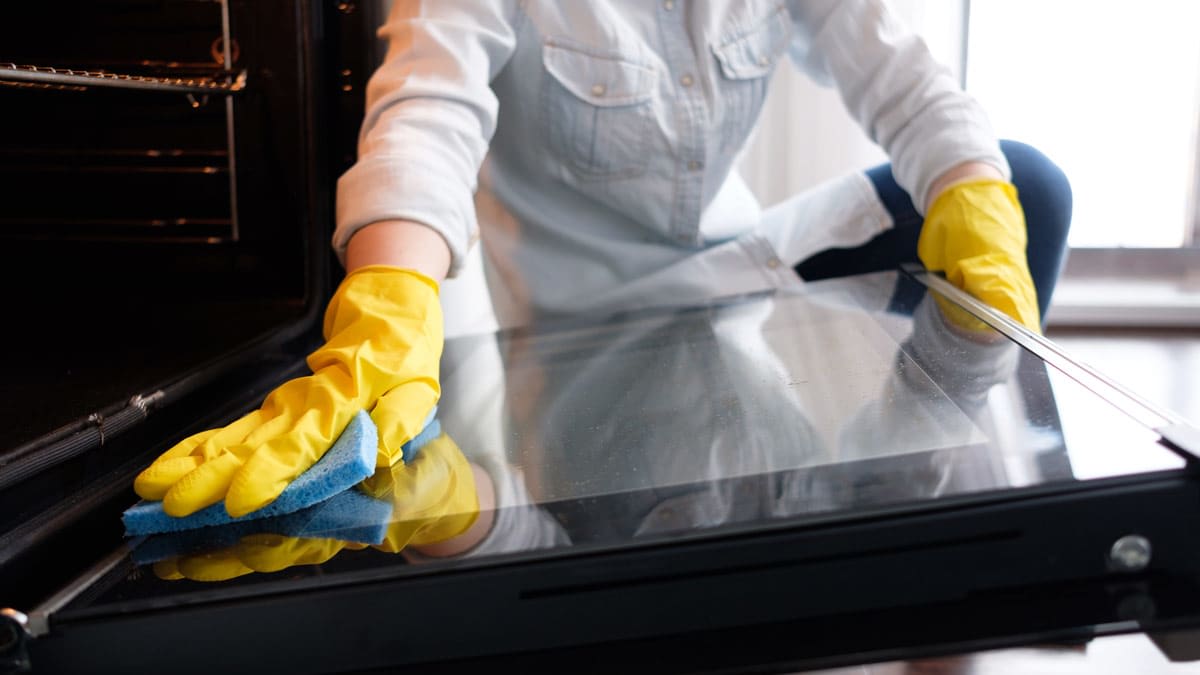
- Repeat on the door glass with gentle strokes.
- This cutback step reduces smoke during self-clean.
- Run the self-clean cycle only if needed
- Set the shortest cycle that will do the job.
- Stay home while it runs. Keep windows open.
- When it ends and unlocks, let it cool fully.
- Ash wipe-down
- Wipe the cavity with a dry microfiber.
- Follow with a damp cloth to pick up fine ash.
- Dry with a clean towel. Reinstall dry racks.
This approach is the best way to clean a self cleaning oven because it lowers heat time, limits odors, and gives a spotless finish with less wear on parts.
:max_bytes(150000):strip_icc()/before-you-use-your-ovens-self-cleaning-cycle-FT-BLOG1220-320011bd241242f49df742c349d1f6af.jpg)
When to run self-clean vs when to hand clean
The best way to clean a self cleaning oven depends on the mess type.
- Use self-clean for baked-on, dark, crusty spills that will not budge.
- Hand clean for light soils, sugar spills, or fresh grease.
- Skip self-clean before a big holiday cook if you cannot handle a fault code or smell.
- Avoid self-clean if the gasket is damaged, a sensor is failing, or the kitchen has poor airflow.
From experience, I self-clean two to four times a year at most. Routine hand wipes keep it easy. That is still the best way to clean a self cleaning oven while avoiding stress.

Gentle weekly upkeep to prevent heavy builds
Routine care often beats a long cycle. It is still the best way to clean a self cleaning oven over time.
- After roasting, let the oven cool to warm. Wipe splatters with a damp cloth.
- Use a baking sheet for drips from pies or casseroles.
- For glass, use vinegar and water with a soft cloth.
- Sprinkle salt on fresh spills, then lift when cool.
- Keep a small tray of water and lemon slices at 250°F for 20 minutes to ease grime.
Five minutes a week can delay your next self-clean by months.
Stubborn messes, smoke, and odors: how to fix them
Tough spots and smells can show up even when you use the best way to clean a self cleaning oven.
- Caramelized sugar spills set like glue. Gently scrape with a plastic scraper, then apply a baking soda paste.
- Sticky door glass haze responds to a paste of baking soda and a drop of dish soap. Wipe, rinse, and dry.
- Lingering smoke smell improves with airflow. Place a bowl of baking soda inside overnight with the door open.
- Ash streaks after self-clean wipe off with a damp microfiber and a final dry buff.
If the odor is harsh or alarms go off, stop, cool the oven, and ventilate well.
Tools and products I trust (and what to avoid)
Here is what I use in the field when I apply the best way to clean a self cleaning oven.
- Microfiber cloths for lint-free wipes
- Nylon brush and plastic scraper for stuck edges
- Baking soda, mild dish soap, white vinegar
- A flashlight to spot residue in corners
Avoid these inside the cavity, as most manuals warn against them.
- Commercial oven cleaners or caustic sprays
- Steel wool or metal scouring pads
- Abrasive powders or razor blades on glass
- Foil or liners on the oven floor
These can etch glass, strip coatings, or trap heat.
Real-world tips from the job
I once cleaned a rental oven with years of baked spills. Two short cycles with a full cool-down in between worked better than one long one. The ash wiped off like dust.
At home, I spot-clean after big roasts. My cycle runs only twice a year now. That is the best way to clean a self cleaning oven if you want less smell and less risk. Learn the habits, not just the button.
Data-backed notes you should know
- High-heat cycles can stress components. Brand manuals suggest removing racks and ventilating.
- Birds are sensitive to fumes from high heat. Keep them away during and after the cycle.
- Many brands state not to use chemical oven cleaners in self-clean models. This can void coverage.
These facts align with the best way to clean a self cleaning oven because they reduce damage and health risks.
Common mistakes to avoid
Even a solid plan fails if you make these slips.
- Leaving racks inside during self-clean
- Spraying harsh cleaner on the gasket or door locks
- Running self-clean right before guests arrive
- Ignoring sugar spills that can pit surfaces
- Skipping airflow and then fighting smoke
Avoid these and you will keep results strong and stress low.
Frequently Asked Questions of best way to clean a self cleaning oven
How often should I run the self-clean cycle?
Two to four times a year is enough for most homes. Do light wipes weekly to delay deep cleans.
Can I use oven cleaner in a self-cleaning oven?
Do not use chemical oven cleaners inside the cavity. They can damage coatings and make strong fumes.
What should I do about the racks?
Remove racks before self-clean. Wash them in warm soapy water with a non-scratch sponge.
Is it safe for pets and birds?
Vent well and keep pets, especially birds, in another room. High heat can release fumes that stress animals.
Why does my oven smell after self-clean?
It is leftover residue burning off. Vent the space, wipe the ash, and place baking soda inside overnight.
Can self-clean damage my oven?
It can stress parts if overused or if the gasket is worn. Use the shortest effective cycle and keep airflow strong.
How do I clean the glass door without streaks?
Use a damp microfiber with a little dish soap, then a clean water wipe, then a dry buff. Avoid abrasives.
Conclusion
The best way to clean a self cleaning oven is a balanced plan. Pre-treat heavy spots, remove racks, run the shortest safe self-clean only when needed, and finish with a calm ash wipe. Between deep cleans, do quick weekly wipes to stay ahead of buildup.
Start with a five-minute spot-clean today. If the cavity still looks rough, schedule a short self-clean for tomorrow with windows open. Want more home care guides like this? Subscribe and share your questions in the comments.