Measure first, choose round or drop-leaf tables, add stackable chairs and storage.
A small dining area can feel open, comfortable, and stylish with the right furniture. In this guide, I share How To Choose Furniture For Small Dining Area Tips based on my experience designing compact urban rooms and breakfast nooks. I’ll help you compare table sizes and shapes, choose space-saving seating, and add storage and style without overcrowding the room.

Start with a plan: measure, map, and set your rules
A small room needs clear rules. Measure your room length and width. Mark door swings, windows, and any vents or radiators. Note outlets and switches if you plan lighting or a wall table.
Use these key clearances to avoid crowding:
- Aim for 30 to 36 inches of space from table edge to wall or cabinet for comfy pull-out.
- In very tight rooms, 24 inches works, but it will feel snug.
- Allow about 24 inches of table length per person so elbows do not clash.
Make a simple floor plan. Painter’s tape on the floor works well. Place tape for the table and chairs pushed out. Then walk it. If you clip a corner, the table is too big. This first step is the base of how to choose furniture for small dining area tips.

Pick the right table shape and size
The table is the anchor. The wrong shape can eat your room.
Round and oval tables
- Round tables ease traffic because there are no corners.
- A 36 to 42 inch round seats 4 in a tight room.
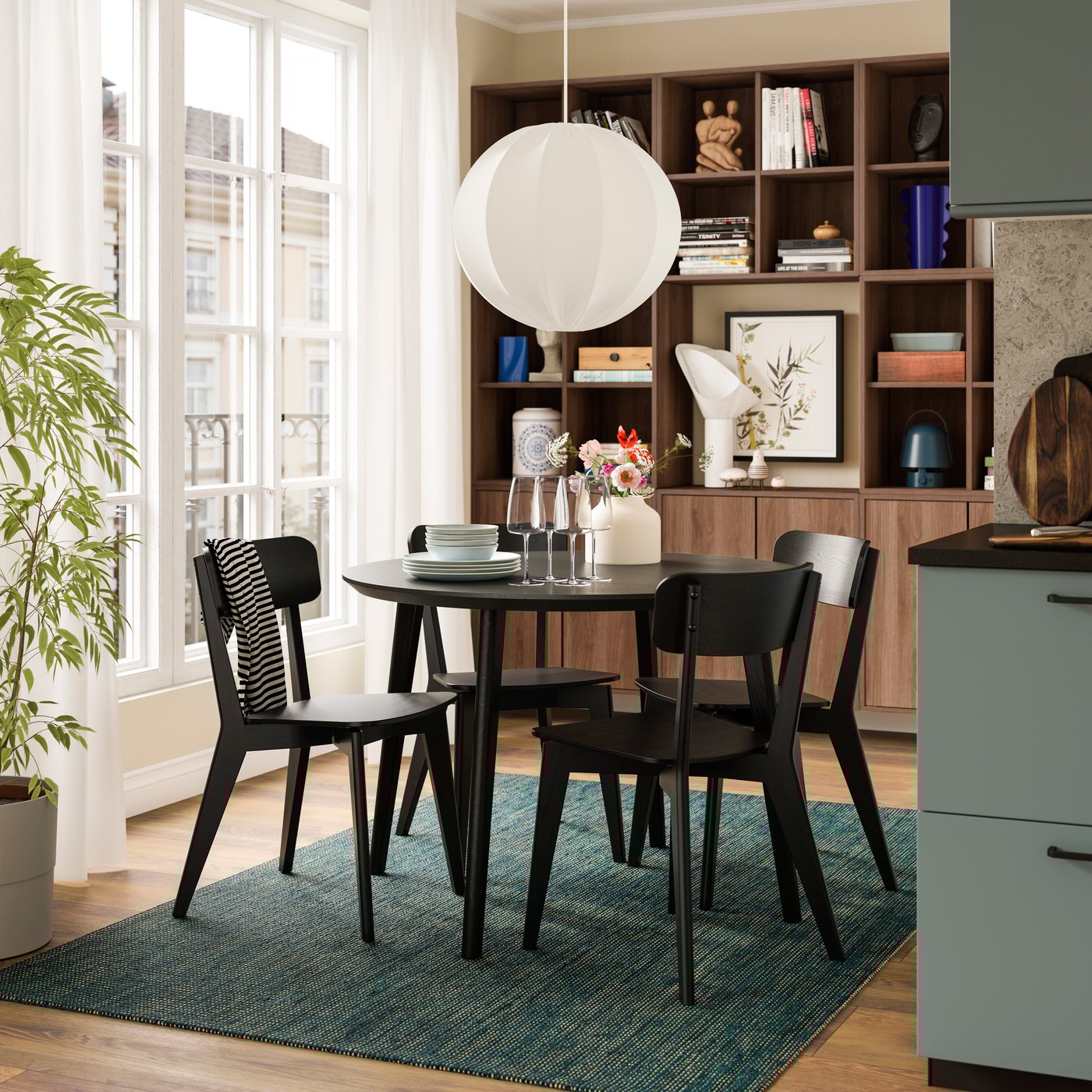
- A pedestal base frees leg room and fits more chairs.
Square and rectangle tables
- Good for wall placement or a banquette.
- A 24 by 48 inch rectangle can seat 4. Push the long side to a wall to save space.
- Rounded corners or boat-shaped edges cut bumps and look softer.
Drop-leaf, gateleg, and extendable
- Drop-leaf tables fold small for daily life and open for guests.
- Gateleg styles are classic space savers.
- If you host, pick a butterfly-leaf table so one person can extend it fast.
Glass, stone, or wood tops
- Round wood with a slim edge looks light.
- Glass can vanish visually, but watch for smudges.
- Thin profiles and narrow aprons save knee space.
Think long-term use. A flexible table is central to how to choose furniture for small dining area tips.

Smart seating choices for tight rooms
Chairs can crowd a room fast. Pick smart forms and sizes.
Armless, narrow chairs
- Armless chairs tuck closer. Target chair widths of 16 to 18 inches.
- Seat height should be about 18 inches for a 28 to 30 inch table.
Benches and banquettes
- Benches slide under the table when not in use.
- Built-in banquettes use corners well and add storage under the seat.
Stacking and folding chairs
- Keep two stacking chairs in a closet or on a wall hook for guests.
- Clear acrylic chairs feel airy and help small rooms read larger.
Counter stools vs dining chairs
- If your table is counter height, pick 24 to 26 inch stools.
- If you dine daily, standard-height tables and chairs are more ergonomic.
Pick seating that matches your table’s base. Test push-in depth and knee room. These moves are core to how to choose furniture for small dining area tips.
Storage that doubles as seating or service
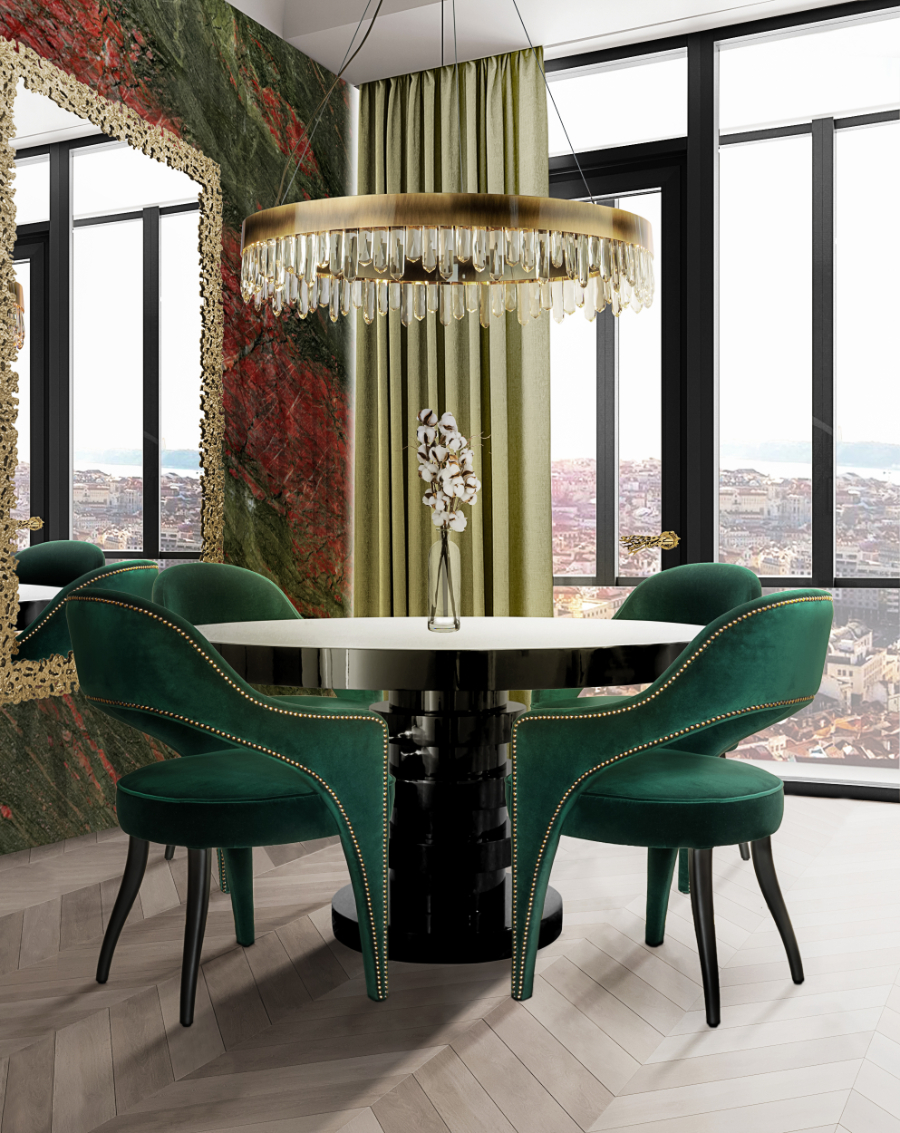
Hidden storage helps you keep surfaces clear, which makes any small room feel bigger.
Slim sideboards
- Choose 12 to 16 inch deep sideboards to hold dishes and linens.
- Use legs to lift the case off the floor and keep the view open.
Banquette storage
- Hinged seats hold seasonal platters or small appliances.
- Drawers are easier than lift-up lids in tight spaces.
Carts and consoles
- A bar cart can roll in for serving, then tuck away.
- A narrow console can act as a buffet and laptop perch.
Wall-mounted options
- Fold-down wall tables create a quick two-top.
- Floating shelves show key pieces and free floor area.
Modular pieces that flex with your life are the heart of how to choose furniture for small dining area tips.
Materials, finishes, and color tricks that open the room
Light and reflection can “add feet” to your space without moving a wall.
Light colors and low contrast
- Pale woods, white, or soft gray make edges blend.
- Seat fabrics in mid-tones hide stains yet keep a light look.
Slim legs and open bases
- Tapered legs and open frames let sightlines pass through.
- Skirtless tables feel lighter than heavy aprons.
Durable, easy-care fabrics
- Look for performance polyester, microfiber, or vinyl blends.
- Stain-resistant finishes and removable covers help daily life.
Rounded edges and child-safe corners
- Rounded tops save hips and help flow.
- Soft corners read friendlier in tight rooms.
Small, smart material choices are vital in how to choose furniture for small dining area tips.
Layout, flow, and zoning like a pro
Even a tiny dining space can earn its place with the right layout.
Anchor with a rug
- Size the rug so chairs stay on it when pulled out.
- Add 24 inches past the table on all sides if room allows.
Light it well
- Hang a pendant 28 to 34 inches above the tabletop.
- Choose a 12 to 20 inch wide pendant in small rooms. Add dimmers.
Use walls and corners
- Slide the table 4 to 6 inches off the wall for breathing room.
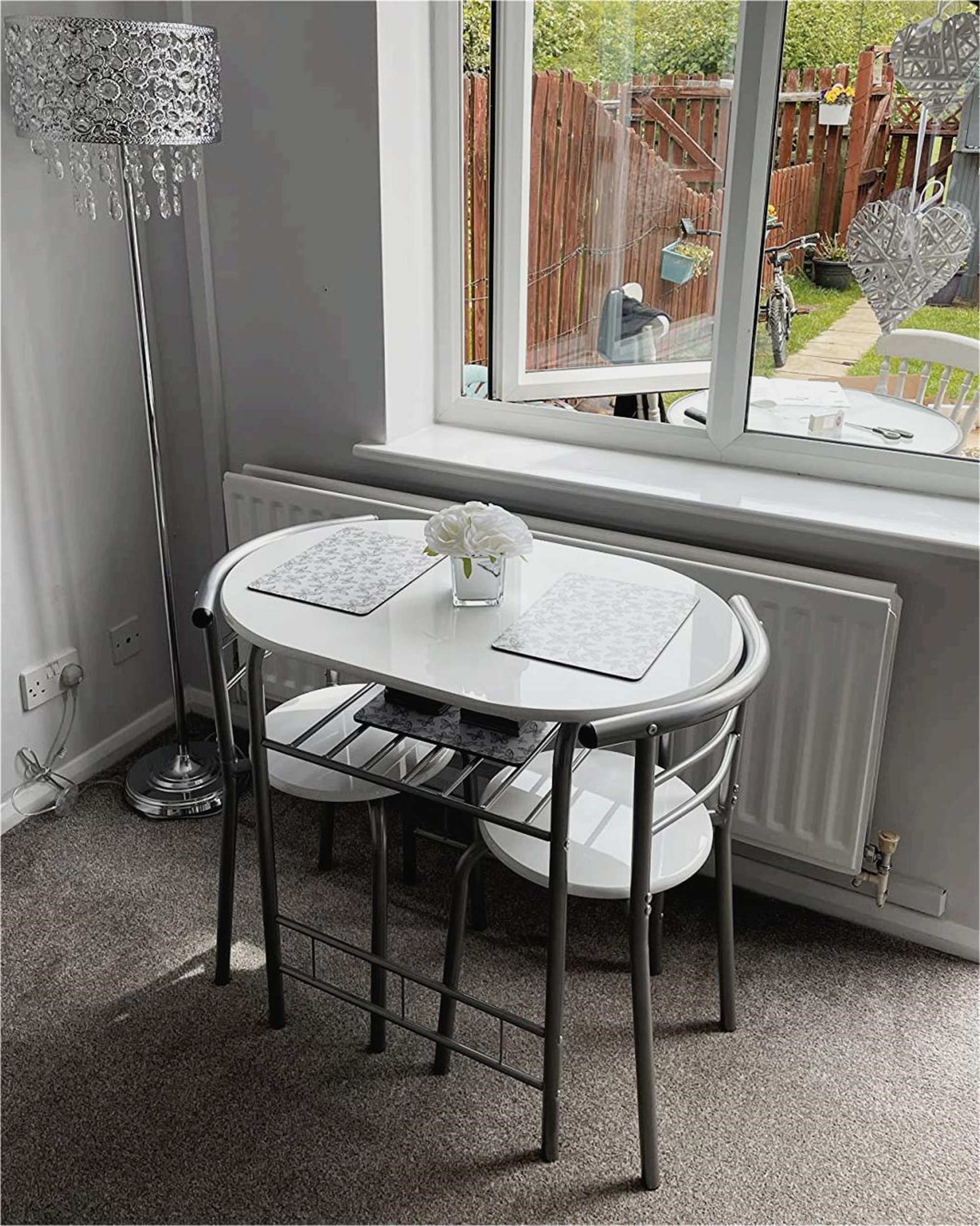
- In a bay window, a round pedestal fits like a glove.
Bounce light
- Mirrors placed opposite windows double light.
- Glass or gloss surfaces reflect and brighten.
A planned layout is key in how to choose furniture for small dining area tips.
Budget, quality, and sustainability
Small rooms reward fewer, better pieces. Spend smart where it shows and where it wears.
Where to invest
- Table top and chair frames. You use them daily.
- Look for solid wood frames or high-grade plywood with real joinery.
Where to save
- Side chairs that are used less. Look for good ergonomics at value prices.
- Sideboards and carts can be vintage finds with fresh hardware.
Check quality marks
- Low-VOC finishes keep air cleaner.
- Look for stable construction, tight joints, and smooth glides.
Buy-back and resale
- Solid, simple styles hold value.
- A classic round pedestal resells well.
Wise spending is part of how to choose furniture for small dining area tips.
Style moves that make small dining areas feel big
Design is more than size. Style can trick the eye.
Keep the center light
- A low bowl, a small plant, or a single candle works.
- Skip tall centerpieces for daily use.
Go vertical
- One tall plant or a slim floor lamp draws eyes up.
- Art hung with the center at about 57 inches feels balanced.
Limit the palette
- Use two or three main colors and repeat them.
- Metals can mix. Keep finishes matte or soft gloss to avoid glare.
Edit often
- Clear the table after each meal.
- Use trays to corral salt, pepper, and napkins.
These style steps round out how to choose furniture for small dining area tips.
Common mistakes to avoid and pro fixes
Learn from errors I see in small homes every week.
- Choosing an oversized rectangle. Fix with a 36 to 42 inch round or a drop-leaf.
- Buying heavy, boxy chairs. Fix with armless, open-back, or slim-legged styles.
- Skipping clearance. Fix by aiming for 30 to 36 inches from table to wall.
- Dark, bulky storage. Fix with slim, leggy sideboards in light finishes.
- Dim lighting. Fix with a small pendant on a dimmer and a wall sconce.
Avoiding these traps is central to how to choose furniture for small dining area tips.
Real-life mini makeovers from my projects
City studio, 7 by 8 foot nook
- Swap: 48 by 30 rectangle to a 36 inch round pedestal.
- Add: Two armless chairs and one stackable spare.
- Result: 32 inches of clear flow and room for a small cart.
Family condo, tight pass-through
- Swap: Four bulky chairs to two slim chairs and a bench.
- Add: 12 inch deep sideboard with drawers.
- Result: Seats 4 daily, 6 on weekends with folding chairs.
Hands-on wins like these shape my take on how to choose furniture for small dining area tips.
Frequently Asked Questions of how to choose furniture for small dining area tips
What is the best table shape for a very small dining area?
Round tables are best for flow and safety. They fit more seats per inch and cut sharp corners.
How big should a dining rug be in a small room?
Make the rug extend about 24 inches past the table on each side. This keeps chair legs on the rug when pulled out.
How much space do I need behind each chair?
Plan for 30 to 36 inches from the table edge to a wall or cabinet. You can squeeze to 24 inches, but it will feel tight.
Are benches better than chairs for saving space?
Benches save space because they slide under the table. They also seat more kids or guests in a pinch.
What chair fabric works for busy homes?
Choose performance fabrics like microfiber or treated polyester. They clean fast and resist stains from daily use.
Can I place a dining table against a wall?
Yes, push one long side to the wall to save space. Choose a rectangle or a round with a pedestal and rotate when hosting.
Conclusion
Small dining rooms thrive on clear rules and flexible pieces. Measure first, pick a shape that suits your flow, and add slim seating plus hidden storage. Then layer light, color, and a few strong style moves.
Start with one change this week. Swap a bulky chair, add a pendant on a dimmer, or tape out a new table size on the floor. Ready for more ideas? Subscribe for weekly space-savvy guides or share your room measurements in the comments for tailored tips.