Measure, scale down, pick multi-use pieces, float layouts, and favor light designs.
After planning, furnishing, and styling hundreds of tight spaces, I’ve learned that the right furniture matters more than the amount you can fit inside. My approach to How To Choose Furniture For A Small Living Room starts with accurate measurements, well-proportioned pieces, and clear walking paths. In this guide, I share practical steps and lessons from those projects to help you avoid bulky purchases, make room for storage, and create a living space that feels open, comfortable, and useful every day.

Understand Your Space: Measure, purpose, and flow
The first step in how to choose furniture for a small living room is to map the room. Grab a tape measure. Note the width, length, ceiling height, door swings, windows, heaters, and outlets. Sketch a quick floor plan and mark traffic paths.
Decide what you must do in the room. Think about TV time, guests, work, play, or pets. Rank needs by must-have, nice-to-have, and bonus. This keeps choices focused and stress low.
Follow basic flow rules from industry standards. Aim for 30 to 36 inches for a main walkway. You can do 18 to 24 inches in light traffic spots. Keep 14 to 18 inches between a sofa and coffee table so you can set a cup down with ease.
Scale and Proportion: Get the right sofa, chairs, and tables
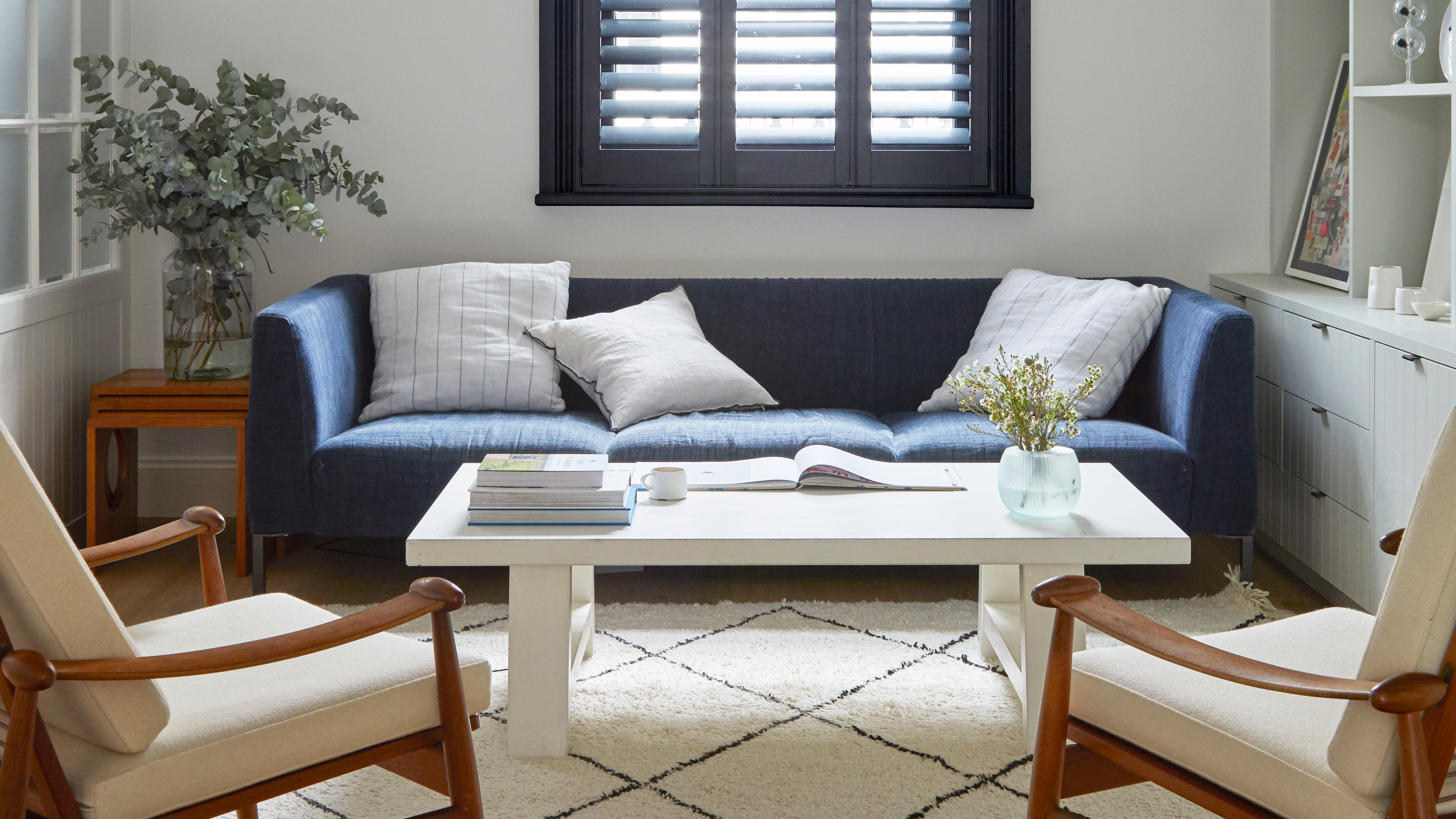
How to choose furniture for a small living room often comes down to scale. Pick pieces that fit the room and each other. The goal is balance, not bulk.
Sofa tips
- Choose apartment sofas, often 68 to 80 inches wide.
- Watch depth. A 32 to 36 inch depth suits small rooms.
- Track seat height. Many sit best at 17 to 19 inches.
- Slim arms and legs free visual space.
Chairs and accent seats
- Use armless or slipper chairs to save inches.
- Swivel chairs turn without wide leg space.
- One chair may be better than two.
Tables that fit
- Coffee tables should be near sofa seat height.
- Nesting tables beat one large end table.
- Round shapes help flow and reduce bumps.

Multi-functional, modular, and flexible pieces
How to choose furniture for a small living room is also about function per inch. Make pieces do double duty to win back space.
Smart picks
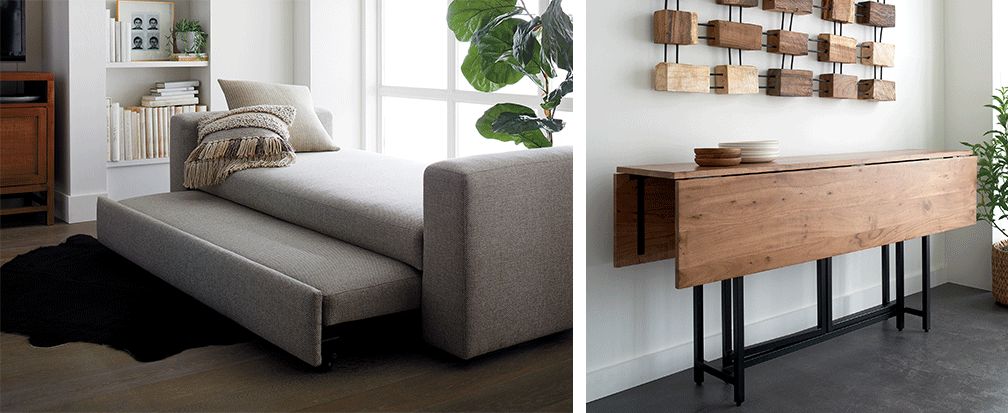
- Storage ottoman: extra seat, footrest, hidden bin, and coffee table with a tray.
- Sofa bed or daybed: host guests without a guest room.
- Drop-leaf or lift-top coffee table: dining or laptop space on demand.
- Modular sofa: start small, add sections later, move parts to fit.
Choose light frames. Favor pieces that move. Add casters or glides so you can shift the layout for guests or game night.
Layouts that work in tight rooms
Great style fails if the layout fights the space. How to choose furniture for a small living room includes a plan that fits how you live.
Proven small-space layouts
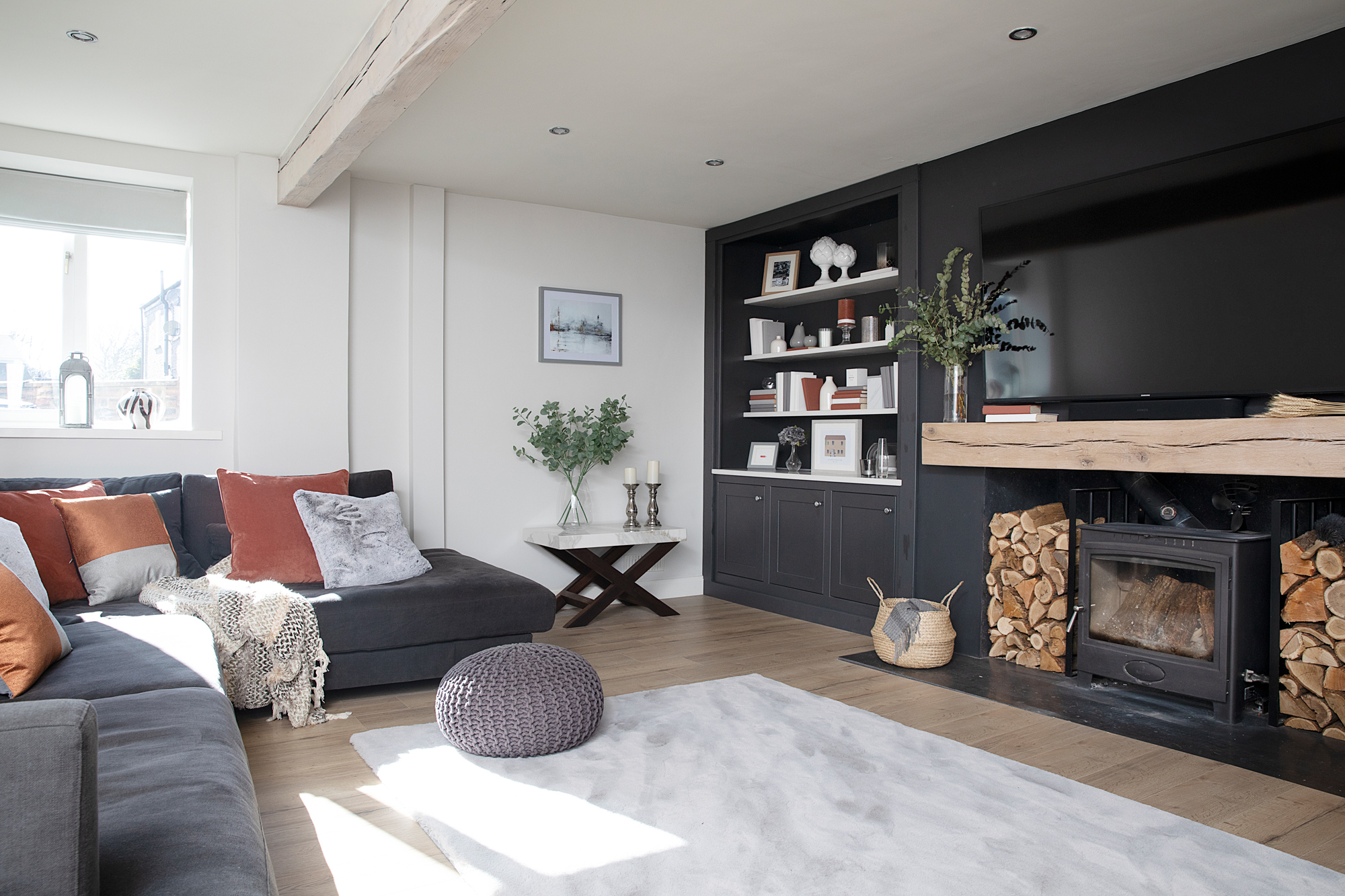
- L-shape: a sofa plus a compact chaise or corner unit opens the center.
- Two-seat zone: a small sofa with one accent chair keeps air and flow.
- floating layout: pull the sofa 3 to 6 inches off the wall to add depth.
- Console behind sofa: storage plus a perch for lamps without side tables.
- Wall-mounted media: free floor space with a slim floating console.
Keep sight lines low and open. Place the tallest item on a wall with no windows when you can. Use mirrors to bounce light and double the view.
Visual tricks: Lightness, color, and materials
You can make a small room feel big with smart looks. This is a key part of how to choose furniture for a small living room.
Lighten the load
- Pick light or mid-tone fabrics. Go bold on small pieces or art.
- Choose raised legs so you see floor under sofas and chairs.
- Use glass, acrylic, or open metal to shrink visual weight.
- Match a rug to the sofa tone to blend lines.
Reduce clutter
- Choose one hero texture. Think linen, bouclé, or leather.
- Limit busy patterns to pillows or a throw.
- Keep cords and remotes in a closed box or drawer.
Storage without bulk
Storage can eat space if you are not careful. The trick is to go vertical and keep floors clear. This is core to how to choose furniture for a small living room that stays tidy.
Smart storage moves
- Wall shelves up high draw the eye and free floor area.
- A low, long console holds media and anchors the room.
- Baskets under benches hide toys and throws.
- A narrow bookcase by the door is a landing zone for keys and mail.
Edit each season. What you do not use, remove. Less stuff makes each piece of furniture work better.

Quality, budget, and durability
You do not need many pieces. So spend where it counts. How to choose furniture for a small living room with a smart budget means investing in the anchor items.
Where to invest
- Sofa frame: kiln-dried hardwood lasts longer and keeps shape.
- Cushions: high-density foam with a fiber wrap sits well and wears well.
- Performance fabrics: easy-clean weaves fight stains and pets.
Where to save
- Side tables, stools, or lamps can be budget-friendly.
- Art and pillows are easy to swap and do not need luxury build.
Check return policies and lead times. Confirm door and stair clearances for delivery. Measure twice, order once.
Step-by-step buying checklist and common mistakes
A simple path makes action easy. Here is how to choose furniture for a small living room, step by step.
Checklist
- Measure the room, doors, windows, and key clearances.
- Define top uses and traffic paths.
- Choose the layout that fits those uses.
- Pick scaled anchor pieces first: sofa, rug, coffee table.
- Add multi-use items: ottoman, nesting tables, modular seats.
- Select light colors and raised legs to reduce bulk.
- Plan storage with vertical or built-in options.
- Test comfort and sit depth in store if you can.
- Confirm fabric care and durability.
- Finalize delivery plan and fit checks.
Mistakes to avoid
- Buying a huge sectional that blocks doors or windows.
- Skipping a rug or buying one too small.
- Placing every piece against a wall.
- Picking dark, heavy pieces with solid bases that touch the floor.
- Ignoring scale on arms and legs, which add width fast.
Real-life examples and lessons learned
In a 10 by 12 foot city living room, I swapped a deep 92 inch sofa for a 76 inch apartment sofa with slim arms. I added a storage ottoman and a 5 by 8 rug with all front legs on it. The room gained 24 inches of walkway, sat four people, and felt calm.
For a studio, I used a daybed with a trundle and a wall-mounted shelf for a TV. A nesting table set replaced a coffee table. The client hosted two friends for movie night and folded the room back in five minutes. That is how to choose furniture for a small living room that adapts fast.
Frequently Asked Questions of how to choose furniture for a small living room
What size sofa works best in a small living room?
Look for 68 to 80 inches wide with a 32 to 36 inch depth. Slim arms and raised legs help a lot.
How big should a rug be in a small space?
Choose a rug large enough for at least the front legs of all seating. Common sizes are 5 by 8 or 6 by 9 feet.
How much space should I leave for walkways?
Leave 30 to 36 inches for main paths and 18 to 24 inches for lighter routes. Keep 14 to 18 inches between sofa and coffee table.
Are sectionals okay for small rooms?
Yes, if they are compact and have a chaise, not a full return. Make sure they do not block doors or windows.
What materials make furniture feel lighter?
Glass, acrylic, open metal frames, and light wood tones reduce visual weight. Fabrics in light or mid tones also help.
What is the easiest way to start if I feel stuck?
Begin with the layout and the sofa, then add a rug and coffee table. This anchors the space and shows what else will fit.
How to choose furniture for a small living room if I rent?
Pick modular, light pieces you can move and reuse in a new home. Use wall-safe mounts and freestanding shelves for storage.
Conclusion
Small spaces reward smart choices. Measure first, plan your layout, and pick scaled, multi-use pieces with light looks. That is how to choose furniture for a small living room that feels open, works hard, and looks great.
Start with one room map and one anchor purchase this week. Share your plan or questions in the comments, and subscribe for more small-space guides and checklists.