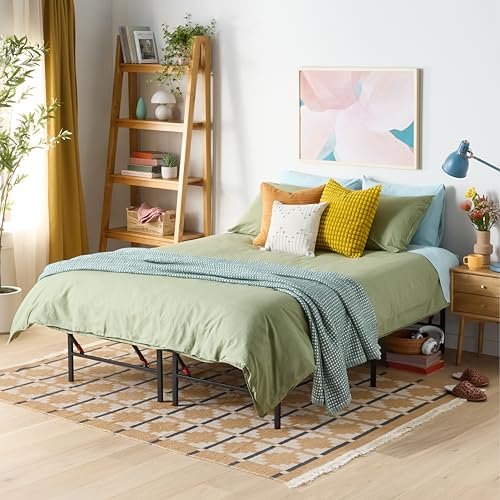
Dust weekly, spot-treat fast, test first, and match cleaners to the material.
When I clean furniture, I start with the material and its care instructions—not the strongest cleaner on the shelf. In this guide to How To Clean Home Furniture, I explain how I choose suitable tools, tackle everyday dust and spills, and avoid methods that can damage finishes or upholstery. I’ll walk you through practical steps for wood, fabric, and leather, including when to spot-test a cleaner and when to leave a stubborn stain to a professional.
Know Your Materials Before You Start
The fastest way to ruin a finish is to guess. Start by checking labels, care tags, and manuals. If none are available, learn to spot the material and finish. Then do a small spot test in a hidden area.
Here is how to check common furniture types:
- Wood. Note if it is sealed, lacquered, waxed, oiled, or unfinished. Sealed wood beads water. Unfinished wood absorbs it fast.
- Veneer and laminate. Veneer is thin wood on a base. Laminate is a plastic-like film over board.
- Upholstery. Look for care codes on tags: W, S, WS, or X.
- Leather. Aniline shows natural marks and a soft feel. Semi-aniline has a light coat. Protected leather feels even and resists stains. Bonded and faux leather look even and do not absorb much.
- Metal, glass, stone. These need neutral, non-scratch cleaners. Stone can etch with acids.
Always test your cleaner. Dab a drop on a hidden spot. Wait 10 minutes. Blot and check color, texture, and shine.
What do upholstery cleaning codes W, S, WS, and X mean?
W means water-based cleaners are safe. S means use solvent cleaners only. WS means both water and solvent can be used. X means vacuum only.
Is vinegar safe on all surfaces?
No. Avoid it on marble, travertine, onyx, and some sealed woods. It can dull or etch. Use pH-neutral cleaners there.
Learning how to clean home furniture starts with this step. It helps you avoid damage and saves time.
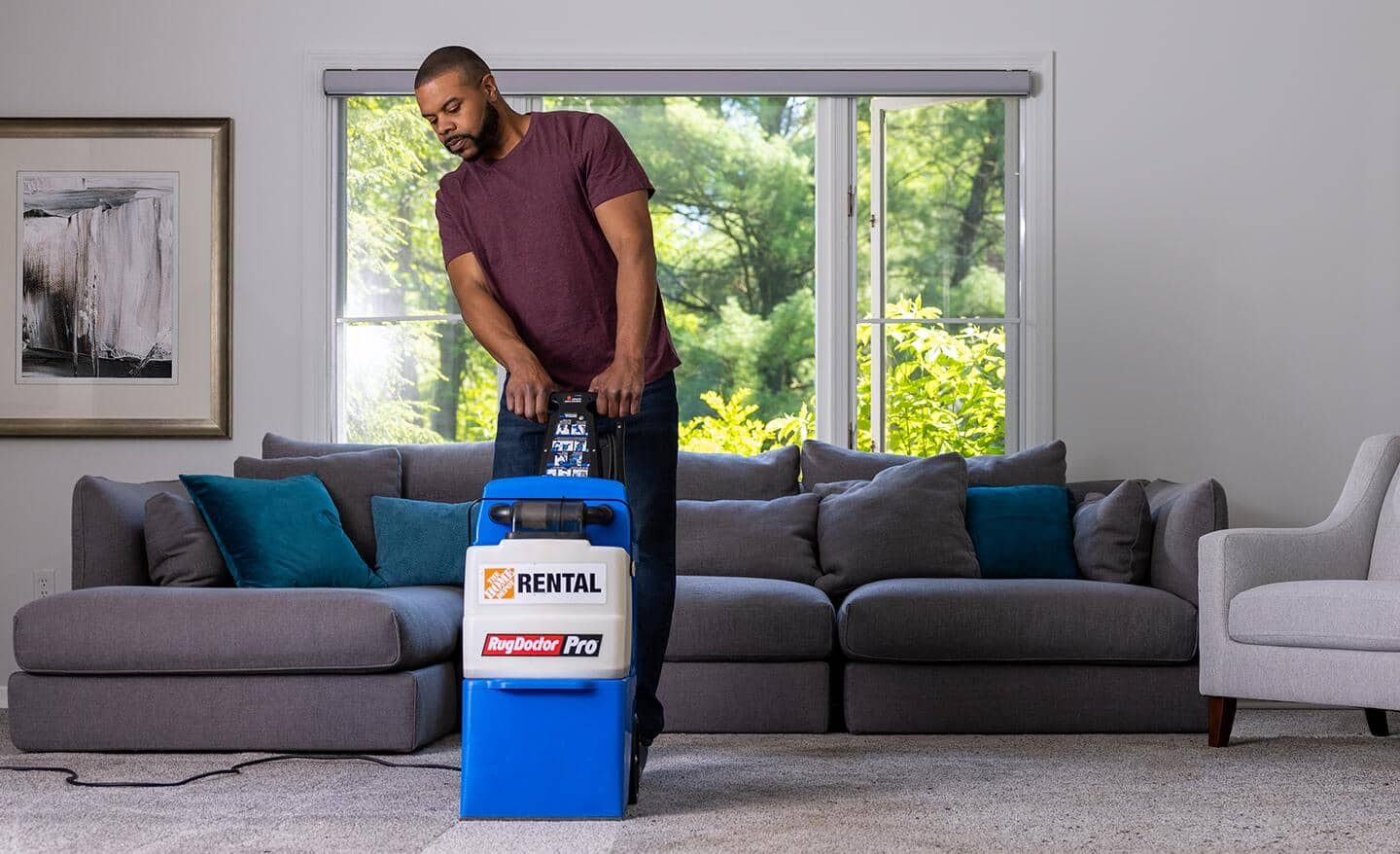
Essential Supplies and Safe Cleaners
You do not need a closet full of products. A smart kit covers most jobs. Mix and match based on the material.
Core tools
- Microfiber cloths for dusting and wiping
- Soft and medium brushes for crevices and textiles
- HEPA vacuum with upholstery tools
- Spray bottles labeled for water and solutions
- Distilled water to avoid spots and minerals
- White towels for stain checks
Everyday cleaners
- Mild dish soap for grease and general soil
- White vinegar for glass and many hard surfaces
- Isopropyl alcohol for microfiber and marker stains
- Hydrogen peroxide 3 percent for light stains on whites
- Enzyme cleaner for food, sweat, and pet stains
- pH-neutral stone cleaner for marble and terrazzo
- Leather cleaner and conditioner for real leather
- Baking soda for odor control and gentle scrub
Safety checks
- Never mix bleach with ammonia or acids.
- Avoid strong alkaline or acid on wood and leather.
- Follow the label. Start mild and go stronger only if needed.
This is the same kit I keep for client visits. It works on almost every home I clean. It also aligns with best practices for how to clean home furniture with low risk.
How to Clean Wood Furniture, Step by Step
If you want to master how to clean home furniture, wood care is core. The goal is to lift dust and soil without stripping finish.
Daily and weekly care
- Dust with a dry microfiber cloth. Wipe with the grain.
- For fingerprints, use a damp cloth with a drop of dish soap. Rinse with a second damp cloth. Dry right away.
- For crevices, use a soft brush or vacuum brush.
Deep clean
- Mix a few drops of dish soap in warm distilled water.
- Lightly dampen a cloth. It should not drip.
- Wipe small areas at a time. Follow the grain.
- Rinse the cloth often. Keep the surface from getting wet.
- Dry with a clean towel.
Shine and protection
- If the finish looks dull, use a polish made for sealed wood. Apply thin. Buff dry.
- For waxed or oiled wood, refresh with matching wax or oil. Follow the maker’s guide.
Fixes for common issues
- Sticky film. Use a 50/50 mix of distilled water and mild soap. If needed, add a little white vinegar, but avoid on delicate finishes.
- Water rings. Warm the spot with a hair dryer on low while moving the airflow. Then rub a dot of petroleum jelly or mayonnaise. Wipe and buff.
- Scratches. Use a matching touch-up marker. Wipe before it dries.
Can you use vinegar on wood furniture?
Use caution. On sealed modern finishes, a weak vinegar mix is often safe. On waxed, oiled, or antique pieces, skip it to avoid haze.
How do I remove water rings on a table?
Use gentle heat, then a light oil or jelly to rehydrate the finish. Work slow. Buff and repeat if needed.
Avoid these mistakes
- Do not flood wood. Water swells fibers and lifts finish.
- Skip aerosol polishes with silicone if you plan to refinish later.
- Avoid magic erasers. They can dull the sheen.
Learning how to clean home furniture means knowing when to stop. If grime will not lift, bring in a pro.

How to Clean Upholstered Furniture Without Damage
Fabric care is about soil removal and fast stain control. Always check the code: W, S, WS, or X.
Basic routine
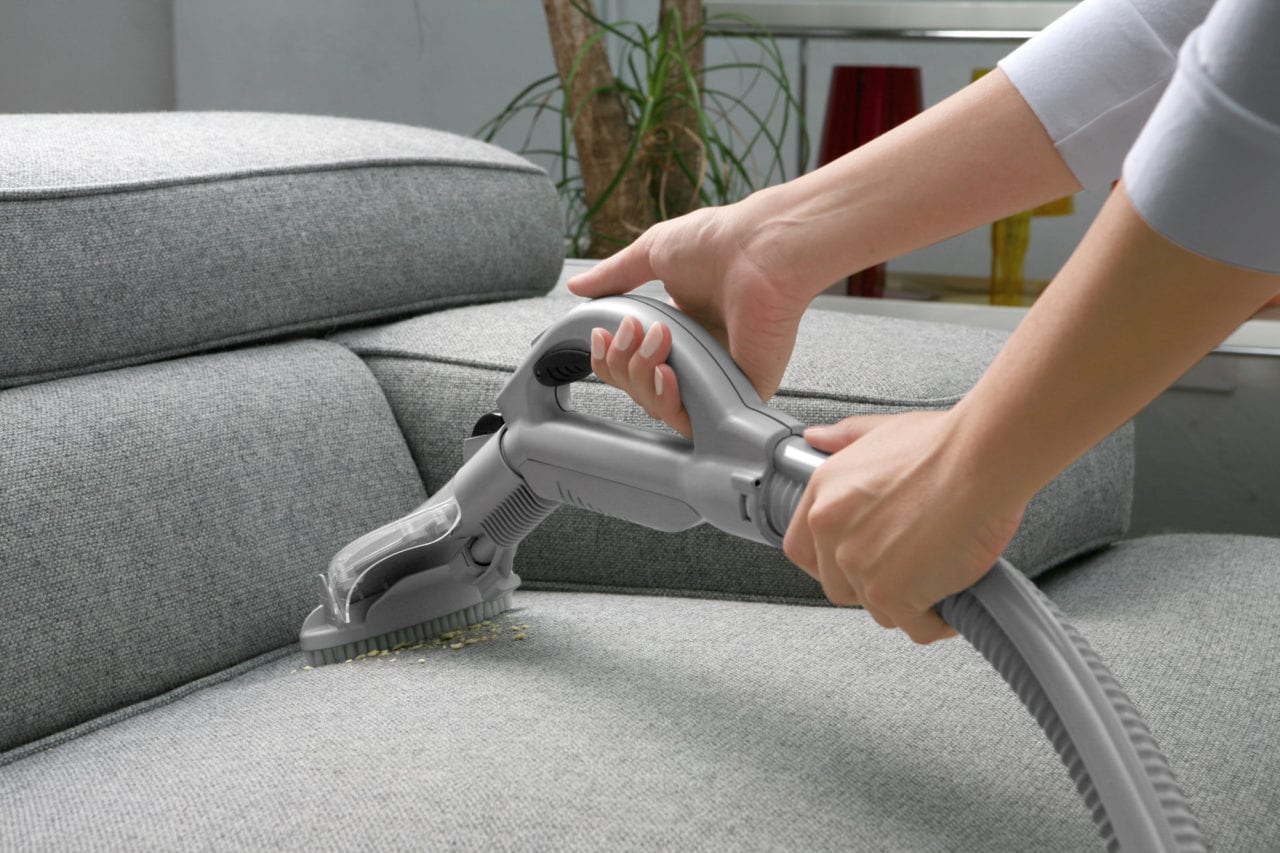
- Vacuum weekly with the upholstery tool. Get seams and cracks.
- Lift cushions. Vacuum both sides and the deck.
- Rotate cushions for even wear.
Spot cleaning guide
- W fabrics. Mix warm water and a drop of dish soap. Blot, do not rub. Rinse with a damp cloth. Blot dry.
- S fabrics. Use a solvent upholstery cleaner or isopropyl alcohol. Vent the room. Blot and air dry.
- WS fabrics. You can use water-based or solvent cleaners. Start mild.
- X fabrics. Vacuum only. Call a pro for stains.
Microfiber trick from field work
- Spray isopropyl alcohol on the stain. Blot with a white cloth.
- Brush the fibers when dry to restore the nap.
Odor and pet care
- Sprinkle baking soda. Wait 30 minutes. Vacuum well.
- For pet accidents, use an enzyme cleaner. Saturate the spot. Let it dwell as directed. Blot and repeat.
Pilling and lint
- Use a fabric shaver on pills. Work slow.
- Use a rubber glove to roll off hair. A damp sponge also works.
How to clean home furniture with textiles is simple once you match method to code. Keep fans on for faster dry and to prevent rings.
How to Clean Leather and Faux Leather
Leather needs gentle cleaners and steady moisture control. Test first. Avoid heat and harsh chemicals.
Routine care
- Dust weekly with a dry, soft cloth.
- Wipe monthly with a cloth dampened in distilled water. Dry right away.
Deep clean and condition
- Apply a leather cleaner with a soft cloth. Work in small sections.
- Wipe off soil as it lifts. Do not over-wet.
- Condition with a quality product if the leather is real. Let it soak in. Buff dry.
Stain tips
- Ink. Dab with a leather-safe ink remover. Do not rub wide.
- Grease. Blot first. Sprinkle cornstarch. Wait a few hours. Brush off.
- Dye transfer. Use a leather cleaner. Early action helps most.
Avoid these
- No baby wipes or ammonia. They can strip finish.
- No magic eraser on leather. It can scuff.
- Keep out of sun. UV dries and cracks hides.
Faux leather and vinyl
- Clean with mild soap and water. Rinse and dry.
- Skip heavy conditioners. They can leave film.
This is how to clean home furniture made of leather with care. The key is balance. Clean, then protect.
How to Clean Outdoor Furniture and Hard Surfaces
Patio sets take heavy sun, dust, and pollen. Use gentle cleaners and rinse well.
Plastic and resin
- Wash with mild soap and water. Use a soft brush.
- For stains, use a paste of baking soda and water. Rinse well.
Metal
- Wipe with soapy water. Dry to prevent spots.
- For rust, use a rust remover or fine steel wool. Prime and touch up paint.
Teak and hardwoods
- Clean with a teak cleaner or mild soap. Scrub with the grain.
- To keep golden color, apply a UV oil. If you like gray patina, skip oil and just clean.
Wicker and rattan
- Vacuum dust. Wipe with a damp cloth and soap.
- Avoid soaking. Use fans to dry.
Glass and mirrors
- Use vinegar and distilled water. Wipe dry to a streak-free finish.
- For sticky labels, use a drop of cooking oil. Wipe clean.
Stone tops
- Use a pH-neutral stone cleaner. Avoid vinegar and lemon.
- Blot spills fast to prevent etching.
This is how to clean home furniture outdoors so it looks good all season. Cover pieces when storms roll in.

Stain Removal Playbook for the Home
Act fast. Blot, do not rub. Work from the edge toward the center.
Grease and oil
- On fabric, blot. Add dish soap and warm water. Rinse and blot.
- On wood, use a mild soap mix. Wipe and dry.
Red wine and juice
- Blot. Apply cold water. Then use oxygen bleach on white fabrics as allowed. Rinse well.
- On cushions, remove covers if allowed. Wash as directed.
Coffee and tea
- Blot. Use dish soap and warm water. Add a little white vinegar if fabric allows.
Ink and marker
- On microfiber, use isopropyl alcohol. Blot and dry.
- On leather, use a leather ink remover.
Pet stains
- Use an enzyme cleaner. Let it dwell to break down odor. Blot and repeat.
Water marks on fabric
- Lightly wet the whole panel edge to edge. Blot excess. Dry with fans to blend the ring.
When learning how to clean home furniture, a stain kit saves you. Keep white cloths, enzyme cleaner, and alcohol handy.
Maintenance Schedule and Preventive Care
A simple plan keeps costs down and furniture fresh.
Weekly
- Dust wood. Vacuum upholstery and under cushions.
- Wipe high-touch areas like arms and door pulls.
Monthly
- Clean leather with distilled water. Condition if needed.
- Wash outdoor tables and chair arms.
Quarterly
- Deep clean sofas by code. Flip and rotate cushions.
- Clean dining chairs and table bases.
Yearly
- Condition leather. Re-wax oiled wood. Oil teak if you prefer the golden look.
- Inspect joints, screws, and glides. Tighten and replace as needed.
Prevention
- Use coasters and mats. Set felt pads under decor.
- Keep pieces out of long direct sun.
- Train pets to use throws or beds.
A steady routine is the secret of how to clean home furniture with less effort. Small steps beat big rescues.
Common Mistakes and Safety Notes
Avoid these pain points I see often.
- Skipping the spot test. One drop can save a finish.
- Too much water on wood or seat decks.
- Using bleach on wool, silk, or leather.
- Scrubbing stains in circles. It spreads soil.
- Ignoring dry time. Damp foam and wood can mold.
- Spraying cleaner right on the surface. Spray the cloth instead.
Safety first
- Vent rooms when using solvents.
- Wear gloves for enzyme and solvent use.
- Store chemicals away from kids and pets.
- Never mix chemicals. Keep labels clear.
Follow these rules to master how to clean home furniture without stress.
Real-World Tips from the Field
These are small tricks I use in homes every week.
- Keep two cloths in hand. One damp for wash. One dry for follow-up. It speeds work and stops streaks.
- Warm water lifts greasy prints faster than cold. But never hot on delicate finishes.
- Use a soft paintbrush to dust carved wood and wicker joints.
- For sofa creases, a handheld steamer on low can relax lines. Test fabric first.
- A white sock over your hand makes a great dust glove for spindles.
A lesson learned the hard way
I once used a strong cleaner on an old waxed dresser. The shine smeared. Now I always test, start mild, and check the finish first. That is the heart of how to clean home furniture like a pro.
Frequently Asked Questions of how to clean home furniture
How often should I deep clean my sofa?
Vacuum weekly and spot clean as needed. Deep clean every three to six months depending on use, pets, and climate.
What is the safest cleaner for sealed wood?
Mild dish soap mixed in warm distilled water is safe and effective. Wring the cloth well and dry right away.
Can I steam clean all upholstery?
No. Some fabrics shrink or water-spot. Check the care code and test a small area before using steam.
How do I disinfect furniture without damage?
Wipe high-touch areas with a cloth dampened in soapy water. On non-porous parts, follow with a maker-approved disinfectant and dry.
What should I do first after a spill?
Blot right away with a clean, white cloth. Avoid rubbing so you do not push the stain deeper or wider.
How do I stop leather from cracking?
Keep it clean, out of direct sun, and condition as the maker suggests. Avoid heat vents and harsh cleaners.
Conclusion
You now know how to clean home furniture with speed and care. Identify the material, test first, choose safe tools, and use simple steps. Keep a steady routine, and your pieces will stay strong and beautiful for years.
Pick one room today and put this guide to work. If you want more expert checklists and stain charts, subscribe or leave a comment with your top challenge.