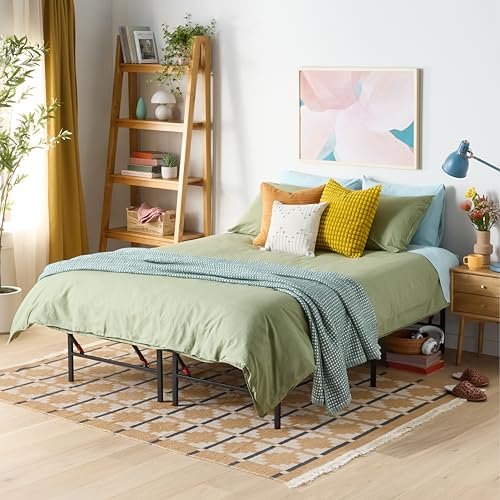
Choose guest room furniture by balancing comfort, room size, storage, durability, style, and easy movement.
After planning guest spaces in homes of different sizes, I’ve found that a welcoming room starts with a few well-chosen pieces—not more furniture. My approach to How To Choose Furniture For A Guest Room is to think of it as a small hotel suite: start with a comfortable bed, keep walking paths clear, and add storage that guests can easily use.
In this guide, I share practical planning steps, space-saving choices, and common mistakes to avoid so you can create a calm, functional room without overcrowding it.
Start With the Room’s Size and Layout
The first step in learning how to choose furniture for a guest room is to measure the space. Do not shop by eye alone. A piece that looks small in a showroom may make a compact bedroom feel tight.
Measure the room’s:
• Length and width
• Ceiling height
• Door and closet openings
• Window locations
• Radiators, vents, and outlets
• Available wall space
• Walking paths around the bed
Create a simple floor plan on paper or use a room-planning app. Mark each fixed feature before adding furniture. This small task can prevent costly returns and awkward layouts.
Try to keep about 24 to 30 inches of walking space beside the bed when possible. A clear path from the door to the bed and bathroom is also important. Guests should not need to walk around a chair, suitcase, or nightstand in the dark.
For a small guest bedroom, use a narrow bed, a wall-mounted light, and furniture with built-in storage. For a larger room, you can add a reading chair, bench, desk, or luggage rack. The goal is balance, not filling every empty corner.
Choose the Right Guest Bed
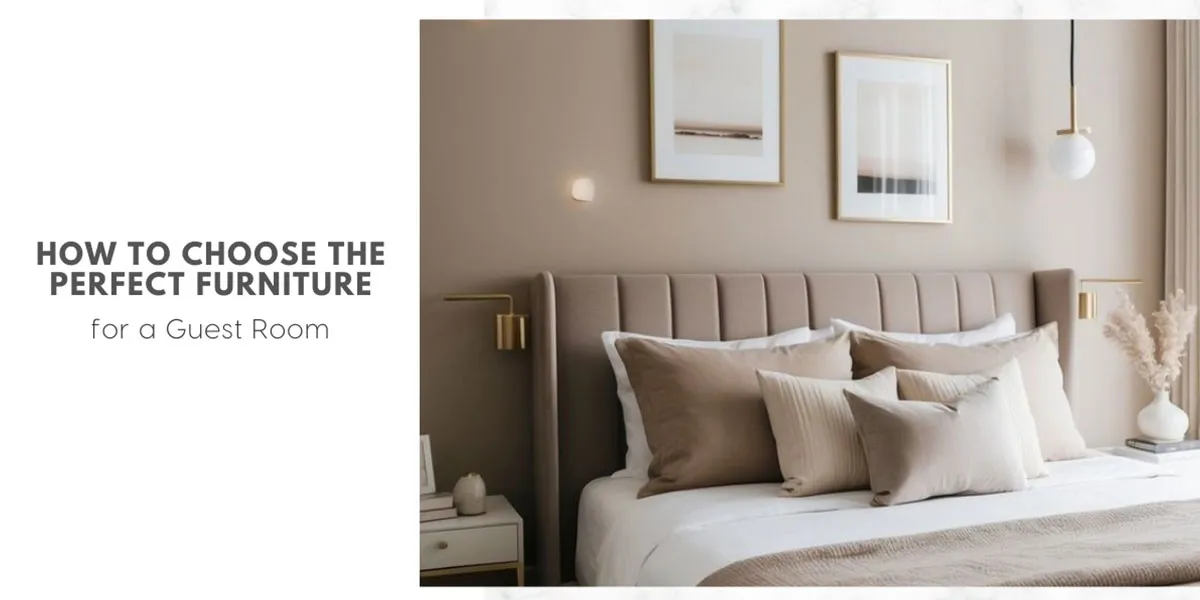
The bed is the main piece of guest room furniture. It affects comfort, movement, style, and the amount of space left for other items.
A queen-size bed is often the most flexible choice for a guest room. It suits couples and gives one guest plenty of room. A full-size bed works well in a smaller room, while twin beds can be useful for children, siblings, or visitors with different sleep needs.
Consider these common bed options:
• Queen bed: A versatile choice for most homes and guest types.
• Full bed: A good fit for smaller rooms or single visitors.
• Twin beds: Helpful when guests may share the room but not a bed.
• Twin daybed: Offers seating during the day and sleeping space at night.
• Murphy bed: Saves floor space in a multipurpose room.
• Sofa bed: Useful when the room serves as an office or lounge.
Comfort should come before appearance. A beautiful bed frame cannot fix a poor mattress. Choose a supportive mattress with a medium feel unless you know your guests prefer something softer or firmer. A mattress protector helps keep the bed clean and extends its useful life.
During one guest room update, I once chose a tall bed because it looked elegant in a photo. In practice, it made the room feel cramped and made it harder for older visitors to get in and out. The lesson was simple: bed height and ease of access matter as much as style.
Select Nightstands for Comfort and Function
Nightstands are small, but they have a major effect on guest comfort. Each sleeping position should have a nearby surface for a phone, glasses, water, medication, or a book.
A nightstand should usually sit close to the top of the mattress. A surface that is much lower or higher can be inconvenient. Leave enough space between the bed and nightstand for bedding to hang naturally without blocking drawers.
Look for features such as:
• A drawer for personal items
• An open shelf for books
• A durable, easy-clean surface
• A cable opening for phone chargers
• Enough depth for a lamp or small light
• Rounded corners in narrow walking areas
If the room is too small for two traditional nightstands, use a narrow shelf, floating table, or small stool on one side. Symmetry is attractive, but function is more important. When deciding how to choose furniture for a guest room, always protect the guest’s reach and comfort before chasing a matching set.
Use table lamps with simple controls, or install wall sconces if floor space is limited. Warm, soft light feels more inviting than a bright overhead fixture.
Add Storage Without Making the Room Feel Crowded
Guests need a place for clothing, shoes, toiletries, and bags. A bed alone does not make a room comfortable. Good storage helps visitors unpack and feel settled.
Choose storage based on how long guests usually stay. For short visits, an empty dresser drawer and a luggage rack may be enough. For longer visits, provide a dresser, closet space, hangers, and a place for folded clothes.
Useful storage pieces include:
• A three- or four-drawer dresser
• A tall chest for rooms with little floor space
• A storage bench at the foot of the bed
• A luggage rack for suitcases
• A wardrobe when the room lacks a closet
• Under-bed drawers for extra blankets
• A slim cabinet for towels and toiletries
Avoid filling every drawer before guests arrive. Leave at least two drawers or one section of the closet open. Add several sturdy hangers, including a few with clips for skirts or pants.
A luggage rack is one of the most practical additions. It keeps suitcases off the bed and floor, which makes unpacking easier and reduces clutter. If you do not have space for a rack, a sturdy bench can serve the same purpose.
Choose closed storage when possible. Doors and drawers hide visual clutter and make the room feel calmer. Open shelving can look attractive, but it requires more cleaning and careful styling.
Plan Seating and Work Areas
A guest room does not always need a full seating area. It does need a comfortable place to sit besides the bed when space allows.
A small armchair works well near a window or empty corner. A bench at the foot of the bed can provide seating, luggage space, and a place to put on shoes. In a very small room, choose a compact stool or folding chair that can move when needed.
If guests may work during their stay, add a desk with enough legroom and a comfortable chair. Do not use a desk chair that looks stylish but offers no back support. The Occupational Safety and Health Administration recommends good ergonomic support for seated work, including a suitable chair and workable desk height.
For a multipurpose guest room, consider:
• A wall-mounted desk
• A drop-leaf table
• A narrow writing desk
• A daybed with drawers
• A foldable chair
• A small desk that doubles as a vanity
Avoid placing a desk directly in the main walking path. It should also have access to an outlet. A simple cable-management box can keep chargers neat and reduce trip hazards.
Match Furniture to Guest Needs
The best answer to how to choose furniture for a guest room depends on who will use it. A room for young adults may need a desk and charging space. A room for older relatives may need easy access, stable furniture, and brighter lighting.
Think about common guests:
• Couples may prefer a queen bed and two nightstands.
• Children may benefit from twin beds and open floor space.
• Older guests may need a higher seat, firm mattress, and clear paths.
• Business travelers may value a desk, strong Wi-Fi, and task lighting.
• Families may need a dresser, luggage space, and a place for a crib.
• Longer-term guests may need a larger wardrobe or chest of drawers.
Choose furniture with stable bases and smooth edges. Avoid light pieces that slide easily when someone sits down. If a guest has limited mobility, reduce clutter and avoid tall furniture that requires reaching.
Accessibility matters even when no specific need is known. The Americans with Disabilities Act provides accessibility guidance mainly for public accommodations, not ordinary private homes, but its focus on clear routes, reachable features, and safe movement offers useful design principles.
Consider Materials, Durability, and Maintenance
Guest room furniture should be attractive, but it also needs to handle different users. Durable materials make the room easier to maintain and reduce the need for frequent replacement.
Solid wood, quality veneer, metal, and well-made engineered wood can all work well. The quality of construction matters more than the label. Check drawer joints, hinges, table stability, and the finish before buying.
For upholstered chairs or benches, consider tightly woven fabric or performance fabric. Choose materials that resist stains and are easy to clean. Avoid delicate fabrics if guests may eat, drink, or place luggage on the furniture.
Look for:
• Smooth, sealed surfaces
• Strong drawer glides
• Secure legs and joints
• Washable or replaceable covers
• Scratch-resistant finishes
• Low-odor paints and adhesives
Low-emitting materials may improve indoor air quality, especially in a room that stays closed for long periods. Certifications can help, but labels vary, so read product details carefully instead of relying on vague claims.
Keep safety in mind. Anchor tall dressers and bookcases to the wall, especially if children may visit. The U.S. Consumer Product Safety Commission has repeatedly warned about tip-over hazards from unsecured furniture. This is a small installation step with a major safety benefit.
Build a Cohesive Furniture Style
A guest room should feel connected to the rest of the home, but it does not need to look like a furniture showroom. Choose a simple style direction before you shop.
Popular guest room styles include:
• Modern: Clean lines, simple shapes, and limited decoration.
• Traditional: Wood finishes, classic forms, and warm details.
• Coastal: Light colors, natural textures, and relaxed fabrics.
• Farmhouse: Practical wood pieces, soft colors, and rustic accents.
• Scandinavian: Pale wood, simple shapes, and uncluttered surfaces.
• Transitional: A mix of classic and modern furniture.
Use one or two main finishes. For example, pair a light wood bed with white nightstands and woven accents. Too many wood tones can make the room look scattered, while identical furniture can feel flat.
Color also affects how large the room feels. Light furniture can help a small room feel open. Dark pieces add depth but may look heavy in a narrow space. If you prefer dark furniture, balance it with light walls, bedding, and window treatments.
A guest room should not feel like a storage area for unwanted furniture. Before adding a piece, ask whether it is safe, useful, comfortable, and in good condition. Guests notice when a room contains items that do not fit anywhere else.
Set a Practical Guest Room Furniture Budget
A budget helps you spend money where it matters most. In most guest rooms, the mattress, bed frame, lighting, and seating deserve more attention than decorative pieces.
Use a simple priority list:
- Buy a supportive mattress and sturdy bed frame.
- Add safe lighting and a nightstand.
- Provide storage for clothes and luggage.
- Add a comfortable chair, bench, or desk if space allows.
- Finish with rugs, art, mirrors, and accessories.
Buying every item at once can lead to rushed choices. It is often better to furnish the room in stages. Start with core needs, use the room for a few weeks, then identify what is missing.
Secondhand furniture can offer excellent value. Check for odors, water damage, loose joints, pests, and unstable construction. Avoid used mattresses unless you know their complete history and condition.
Flat-pack furniture can save money, but inspect the hardware and weight limits. A low price is not a bargain if the piece wobbles, breaks, or needs replacement within a year.
Avoid Common Guest Room Furniture Mistakes
Many guest room problems come from small planning errors. The most common mistake is buying furniture before measuring the room.
Avoid these issues:
• Choosing a bed that leaves no walking space
• Blocking windows, vents, or closet doors
• Adding a dresser but no luggage surface
• Using one tiny lamp for the whole room
• Filling all storage before guests arrive
• Buying a fragile chair that cannot handle daily use
• Placing rugs where edges create trip hazards
• Using tall furniture without wall anchors
• Choosing style over comfort
• Forgetting charging access near the bed
I have seen rooms with attractive furniture that guests barely used because the layout was inconvenient. A chair placed behind the door, for example, becomes decoration rather than seating. Every piece should have a clear job.
When deciding how to choose furniture for a guest room, walk through the space as a visitor would. Enter with a suitcase, open the closet, sit on the bed, reach for the lamp, and find the bathroom at night. This test often reveals problems that a floor plan misses.
Use a Simple Furniture Planning Checklist
Before making a purchase, review the room with this checklist:
• Have you measured the room and all doorways?
• Does the bed leave safe walking space?
• Can guests reach a light and charging outlet from bed?
• Is there storage for folded clothes and hanging items?
• Is there a safe place for luggage?
• Is at least one seat available besides the bed?
• Are furniture finishes easy to clean?
• Are tall pieces anchored securely?
• Does the room support the needs of likely guests?
• Does each item fit the room’s style and scale?
Use painter’s tape to mark the footprint of large furniture on the floor. This low-cost method lets you test proportions before delivery. Leave the tape in place for a day and walk through the room several times.
For online purchases, check the full dimensions, return policy, assembly requirements, weight limits, and customer photos. Product photos can hide scale, so compare measurements with a familiar object in your home.
The best way to choose furniture for a guest room is to combine measurements, comfort tests, and realistic guest needs. Design should support daily use, not just look attractive in a photograph.
Frequently Asked Questions About How to Choose Furniture for a Guest Room
What is the most important piece of furniture in a guest room?
The bed is usually the most important piece because it affects sleep quality and determines the room’s layout. Choose a comfortable mattress, a sturdy frame, and a size that leaves clear paths around it.
Should a guest room have a queen bed or a full bed?
A queen bed is more flexible for couples and longer visits, while a full bed works well in a smaller room. Measure the space first and confirm that the bed will not block doors, closets, or walking routes.
What furniture should every guest room have?
Most guest rooms need a bed, nightstand, light, clothing storage, and a luggage surface. If space permits, add a chair or bench so guests have somewhere to sit besides the bed.
How much furniture is too much for a guest room?
Furniture becomes excessive when it blocks movement, doors, windows, or storage access. Keep the layout open and remove any piece that has no clear function.
Is a dresser necessary in a guest room?
A dresser is useful for guests staying several nights, but it is not essential for short visits. A closet with empty hangers, a luggage rack, and a few drawers may provide enough storage.
What is the best furniture for a small guest room?
Choose compact, multifunctional pieces such as a daybed, narrow nightstand, wall-mounted desk, or storage bench. Keep the bed proportionate to the room and use vertical storage without blocking movement.
How can guest room furniture be made safer?
Anchor tall furniture to the wall, keep walking paths clear, use stable chairs, and secure loose rugs. Provide enough light for nighttime movement and keep cords away from paths.
Conclusion
Choosing furniture for a guest room is easier when you focus on comfort, scale, safety, storage, and real guest needs. Start with accurate measurements, select the bed first, then add nightstands, lighting, storage, and seating in that order. Durable materials and flexible pieces will help the room serve visitors well for years.
Use the checklist, test the layout with painter’s tape, and imagine arriving with a suitcase after a long trip. If the room feels easy to enter, sleep in, unpack, and move through, you have made the right choices. Explore more room-planning ideas, improve one area at a time, and share your guest room questions or results in the comments.