Silicone bags beat single-use plastic on durability, temperature range, and long-term cost, but cost more upfront.
Linda and I made the switch from plastic to silicone bags after one too many leaky sandwiches on long travel days. We had been using regular plastic bags for years without thinking twice. Then we tested both properly side by side and the silicone food bags vs plastic bags difference became very clear very fast.
After weeks of real kitchen testing I have a straightforward honest answer. Silicone food bags vs plastic bags is not just about sealing — it is about durability, safety, and what actually saves you money over time. This guide breaks it all down simply so you can make the right choice today.
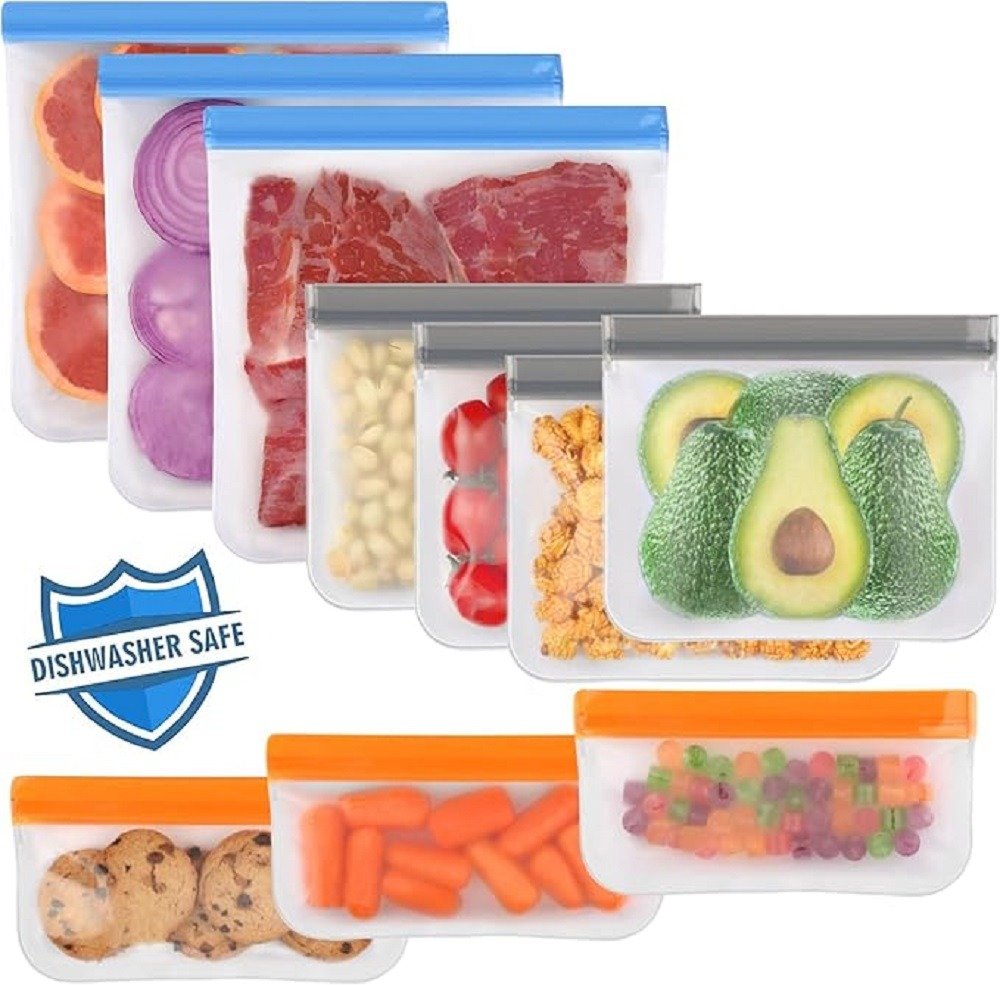
I Use This Reusable Silicone Food Storage Bag. It is Dishwasher Safe| BPA-Free | Food-Grade Material| Leakproof | Extra Thick | Double-Seal, for Marinating Meats | Lunch | Sandwich | Snack | TravelWhat Are Silicone Food Bags?
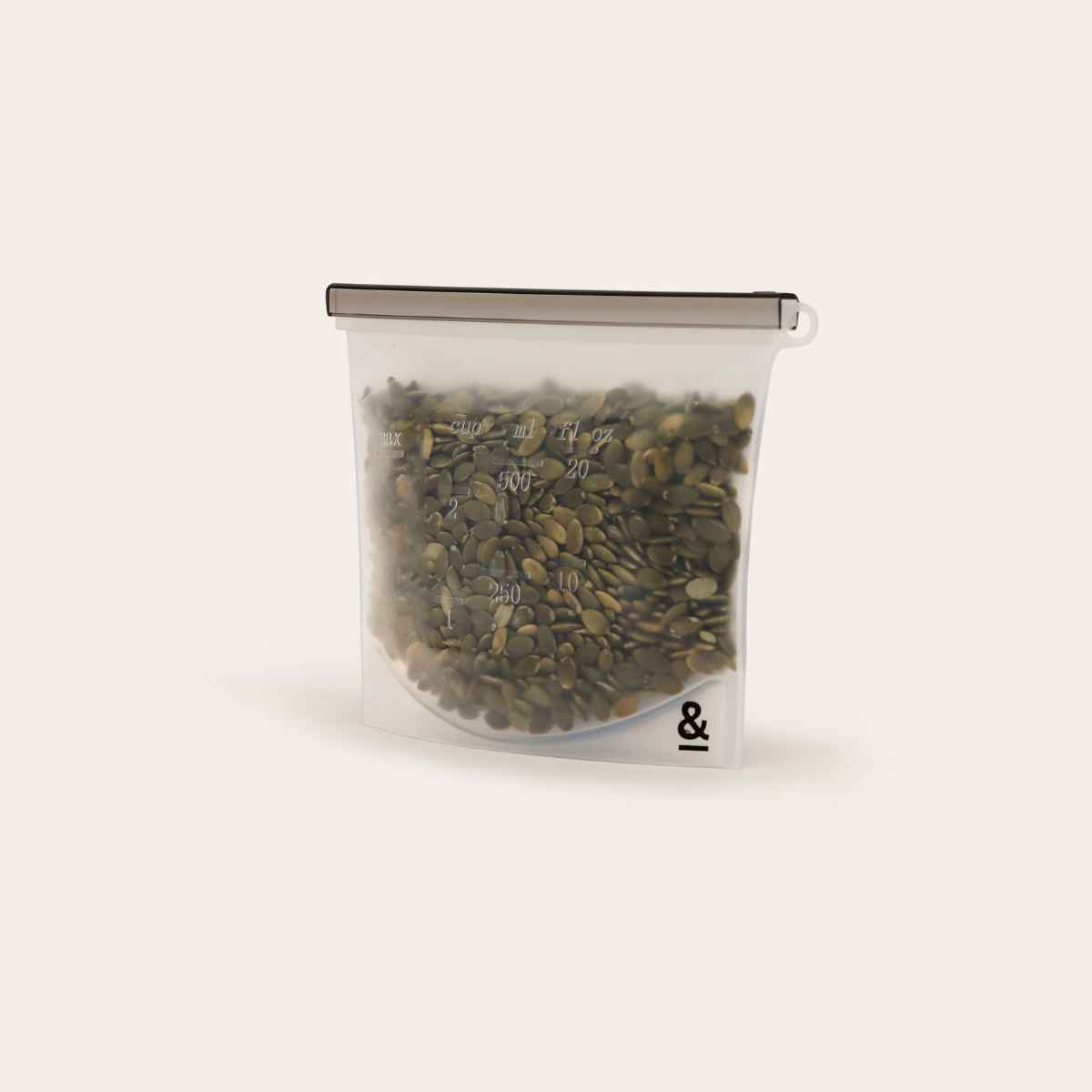
Silicone food bags are reusable pouches made from food-grade silicone. The good ones use platinum-cured, LFGB or FDA-compliant silicone. They handle hot and cold without breaking down fast.
Most disposable food bags use low-density polyethylene or polypropylene. They are thin, cheap, and light. They work for a day, then head to the trash or a hard-to-access drop-off bin.
Silicone is not plastic. It is a polymer made from silica and oxygen with additives. That gives it strong heat tolerance and long life. Plastic bags are simple hydrocarbon films. They are easy to make, but they do not like heat or many reuse cycles.
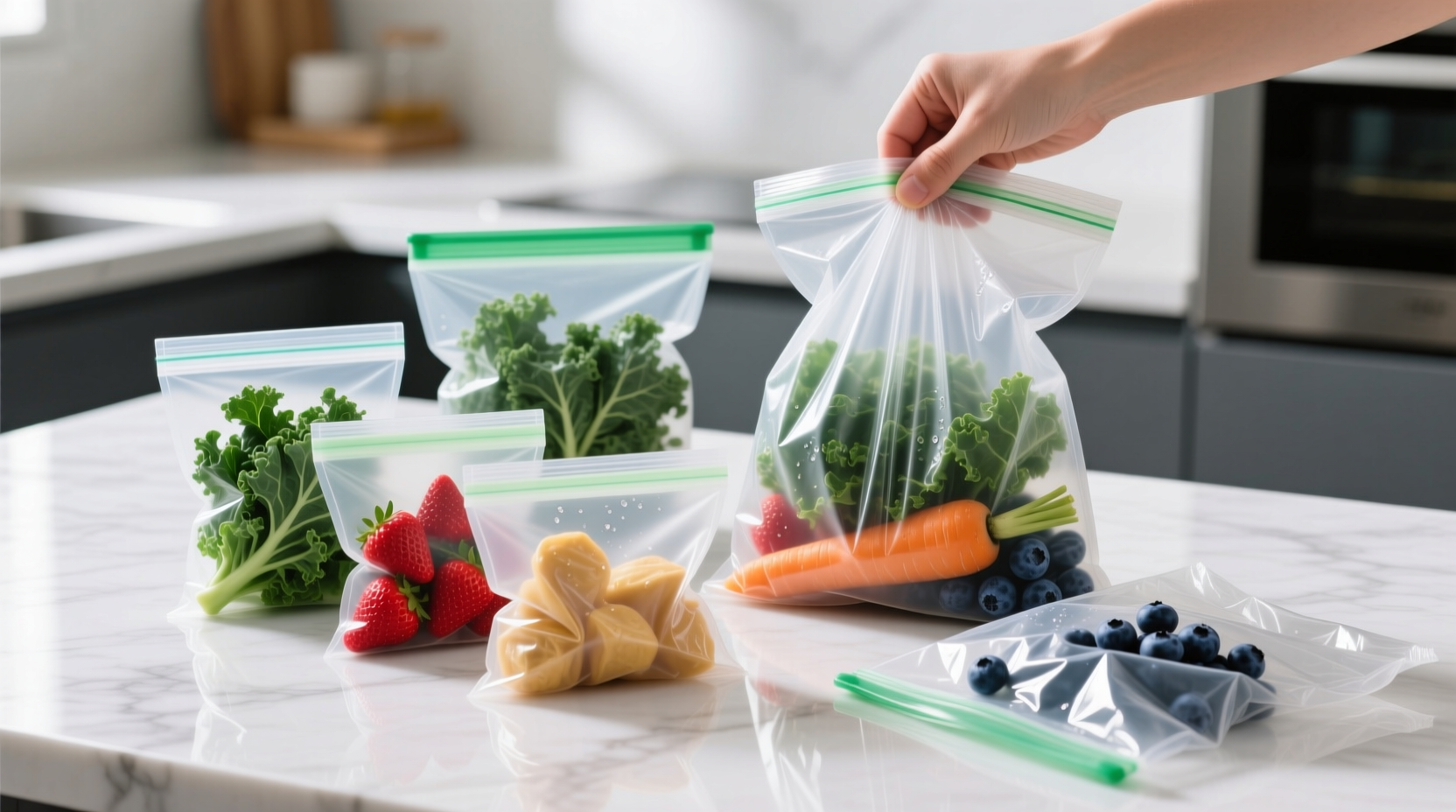
Silicone Food Bags vs Plastic Bags: Key Differences at a Glance
| Feature | Silicone Food Bags | Plastic Bags |
|---|---|---|
| Durability & Reuse | Durable and reusable for years | Often designed for single or limited use |
| Temperature Range | Suitable for freezer-to-oven use, depending on the product | Most plastic bags are not suitable for high heat and may warp |
| Seal & Leak Control | Premium bags offer sturdy pinch or slider seals | Zipper seals can fail, especially with liquids |
| Cleaning & Care | Generally easy to clean and many are dishwasher-safe | More difficult to wash thoroughly |
| Safety | Quality food-grade silicone is stable and heat-resistant | Some plastics can deform or release additives when exposed to excessive heat |
| End of Life | Recycling options are limited; some manufacturers offer take-back programs | Many plastic bags are difficult to recycle and may become waste |
| Cost | Higher upfront cost but lower cost per use over time | Low upfront cost but can become expensive with repeated replacement |
This is the heart of silicone food bags vs plastic bags. If you cook, reheat, or freeze often, silicone usually wins. If you pack a quick snack and toss, plastic still tempts on cost.

Health and Safety: What Actually Touches Your Food
Food-grade silicone is stable across a wide heat range. Many brands rate from about -40°F to 425°F. You can freeze, sous vide, bake, and microwave. It does not need BPA or phthalates to stay flexible.
Common food storage plastic bags are usually BPA-free, which is good. But many are not made for high heat. They soften near hot water and can deform in microwaves if misused. They may also carry slip agents, inks, and other additives. The risk rises when you heat or store fatty, acidic foods.
Two cautions from my testing:
- Not all silicone is equal. Cheap silicone may use fillers that cut performance. The pinch test is not reliable. Look for LFGB or FDA compliance, brand transparency, and heat ratings.
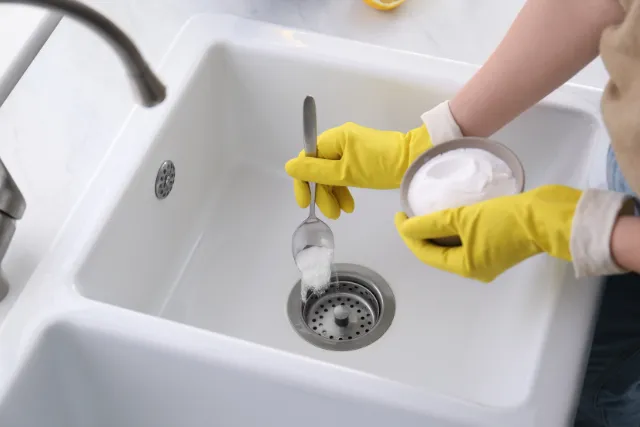
- Silicone can pick up odors or stains from tomato sauce and curry. A baking soda soak helps. A sun-dry on a rack also works well.
For health-first cooks, silicone offers a safer path when heat is in play. That is a key edge in silicone food bags vs plastic bags.
Environmental Impact and Life Cycle Math
No storage bag is impact-free. The question is how fast each pays back its footprint.
What the research and industry data suggest:
| Factor | Silicone Food Bags | Single-Use Plastic Bags |
|---|---|---|
| Manufacturing Impact | Higher initial environmental impact because silicone requires more energy to manufacture | Lower impact per individual bag because less material is used |
| Reuse Break-Even | Can offset its higher manufacturing impact after roughly 20–30 uses, depending on the product and what it replaces | Designed for limited or single use, so environmental impact accumulates with repeated replacement |
| End of Life | Usually not accepted in regular curbside recycling; some brands offer take-back programs | Some clean, dry zipper bags may be accepted at specific store drop-off programs, but recycling rates remain low |
| Waste & Pollution | Longer lifespan means less frequent disposal; its heavier weight also makes it less likely to become windblown litter | Discarded bags can contribute to litter and plastic pollution, including microplastics |
| Best Environmental Advantage | Works best when reused frequently for many years | Its main advantage is the low material use and low upfront cost per bag |
| Overall | Better suited to frequent, long-term reuse | More waste-intensive when used once and repeatedly replaced |
From my experience, a silicone bag that replaces a daily plastic snack bag pays back fast. For a weekly user, the break-even takes a few months. This is a central point in silicone food bags vs plastic bags and why long-term use matters.
| Kitchen Use | Silicone Food Bags | Plastic Bags |
|---|---|---|
| Freezer | Excellent for soups and stews. Thicker walls and sturdy seals help reduce freezer burn and hold their shape over time. | Can work well, but thinner bags may tear or lose their shape with repeated freezing and handling. |
| Sous Vide & Boiling | Suitable for sous vide and hot-water cooking when the manufacturer provides an appropriate temperature rating. | Many ordinary zipper bags are not designed for high-temperature cooking and should only be used if specifically rated for it. |
| Microwave & Oven | Can be used in microwaves and ovens when the specific product is rated for those temperatures. | Most plastic bags are not oven-safe. Microwave use is product-dependent and requires following the manufacturer’s instructions. |
| Liquids & Marinades | Excellent for liquids and marinades. Stronger seals can help reduce leaks during shaking or storage. | Can work for liquids, but zipper seals may leak, especially when the bag is moved or stored on its side. |
| On-the-Go Snacks | Reusable but generally heavier and takes up more space when packed. | Lightweight, compact, and inexpensive to replace if lost or damaged. |
| Best Use | Best for freezing, meal prep, liquids, and repeated use. | Best for lightweight snacks, short-term storage, and convenience. |
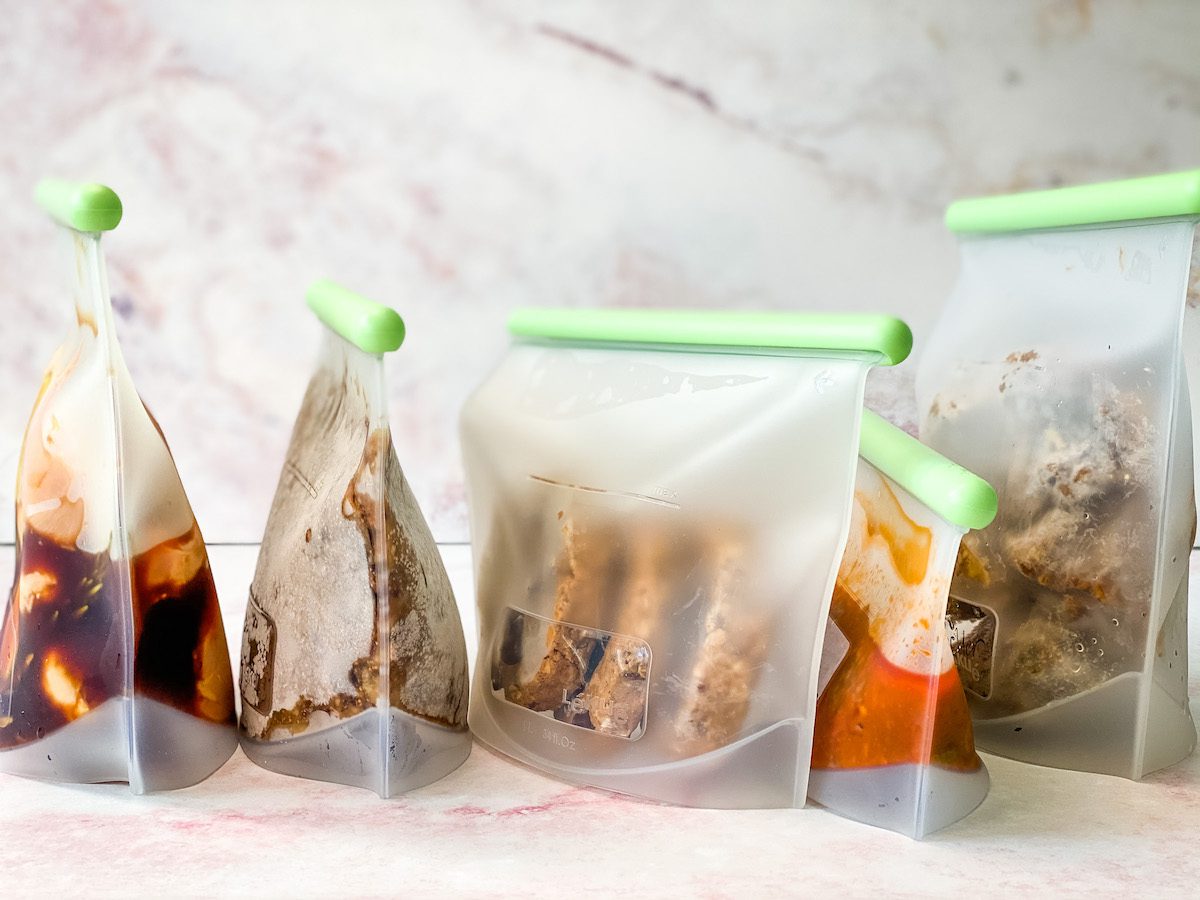
When I batch-cook, silicone bags stack well in the freezer and heat without a pot swap. That saves time and dishes. In silicone food bags vs plastic bags, daily cooks feel the difference.
:max_bytes(150000):strip_icc()/sea-product-reusable-storage-bags-madeline-muzzi-15-04988232d3014452a01b4bd24da2d53b.jpeg)
Cost Breakdown: Upfront Price vs Cost Per Use
Let’s do simple math with typical prices.
- A good silicone bag: 15 dollars. Use it 300 times. Cost per use is 5 cents.
- A box of 90 plastic bags: 5 dollars. Use each once. Cost per use is 5.6 cents. If you use 300 bags, that is about 16.7 dollars.
If you reuse silicone for years, you save money. Even if you only reach 150 uses, you are near even. For heavy users, silicone food bags vs plastic bags is a clear win on lifetime cost.
How to Choose and Care for Silicone Food Bags
What to look for:
- Safety marks: LFGB or FDA compliance on the product page and packaging.
- Heat rating: At least -40°F to 425°F for wide use.
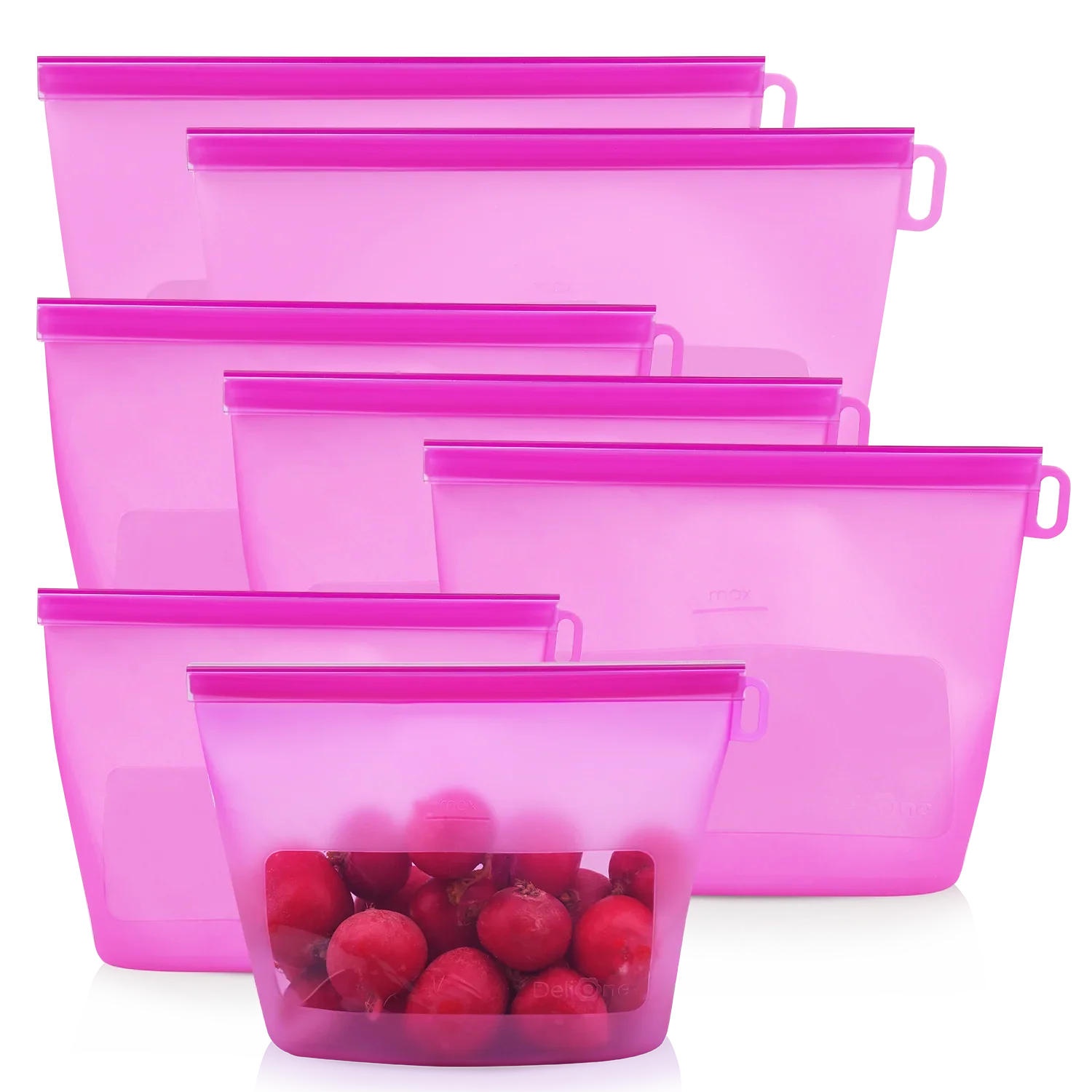
- Seal design: Wide-mouth, sturdy clips or sliders, and leak-tested seams.
- Sizes and gussets: Stand-up bags are great for soups and bulk items.
Care tips I use:
- Rinse soon after use. Oils set in fast.
- Flip inside-out and place over the top rack tines in the dishwasher.
- For odors, soak with warm water, baking soda, and a splash of vinegar. Then air-dry in sunlight.
- Avoid sharp bones or jagged pasta to protect seams.
Limits to accept:
- Tomato and turmeric can stain. That is cosmetic. A peroxide-based cleaner can help if the brand allows it.
- Not all silicone seals are 100% airtight. For long-term freezer storage, double-check the seal or use a rigid container.
These steps raise the value side of silicone food bags vs plastic bags by stretching useful life.
When Plastic Bags Still Make Sense
There are moments when plastic is the right call.
- High-risk contamination: Raw fish with strong odors, or when you must discard the bag after use.
- Large-group events: Where the chance of loss is high and budget is tight.
- Emergency kits: Light weight, compact size, and easy sharing.
If you pick plastic, use it wisely:
- Do not heat above the maker’s guidance.
- Rinse and reuse a few times if safe and clean.
- Drop off clean, dry bags at a participating store if available.
That balance keeps silicone food bags vs plastic bags honest and practical.
A Simple Transition Plan That Works
Here is how I helped my team cut plastic bag use by 80% in three months.
- Start with two medium silicone bags and one large stand-up bag.
- Assign uses: snacks, leftovers, and liquids. Keep one silicone bag as your go-to for reheating.
- Track what you still use plastic for. Replace those sizes next.
- Set a “one-box-per-quarter” limit for disposable bags. That pushes smart use, not guilt.
This approach makes silicone food bags vs plastic bags a smooth switch, not an all-or-nothing leap.
Frequently Asked Questions of silicone food bags vs plastic bags
Are silicone food bags safe for boiling or sous vide?
Yes, most food-grade silicone bags handle typical sous vide temps up to about 190°F. Always check the brand’s heat rating and seal instructions.
Do silicone bags leach chemicals into food?
High-quality, food-grade silicone is inert and resists leaching. Use trusted brands with LFGB or FDA compliance and avoid unverified products.
Can I recycle silicone bags at home?
Most curbside programs do not accept silicone. Some brands offer take-back programs, and specialty recyclers may accept them.
Are plastic zipper bags BPA-free?
Most leading plastic food bags use LDPE or PP and are BPA-free. They are not designed for high heat, so avoid boiling or hot oven use.
How many times should I use a silicone bag to beat plastic on impact?
Aim for at least 20 to 30 uses to offset the higher production footprint. With steady use, you can reach hundreds of cycles.
Why do silicone bags sometimes smell after strong foods?
Silicone can hold odors from oily or spiced foods. Use a baking soda soak and a long air-dry in sunlight to clear most smells.
Do silicone food bags prevent freezer burn better than plastic?
Yes, thicker silicone walls and robust seals often reduce freezer burn. For long storage, leave minimal headspace and press out air.
Are silicone food bags worth the price?
For regular cooks, yes. The lifetime cost per use is low, and the heat-safe performance is hard to match with disposables.
Conclusion
Silicone food bags vs plastic bags comes down to how you cook and how often you reuse. Silicone wins on heat, durability, and long-term cost. Plastic still fits edge cases where loss or contamination is likely. Choose a small starter set, learn good care habits, and phase in sizes you use most.
Make your next step today. Swap two daily disposables with one silicone bag, track your savings, and share what works. If this guide helped, subscribe for more kitchen-tested gear tips and sustainable swaps.