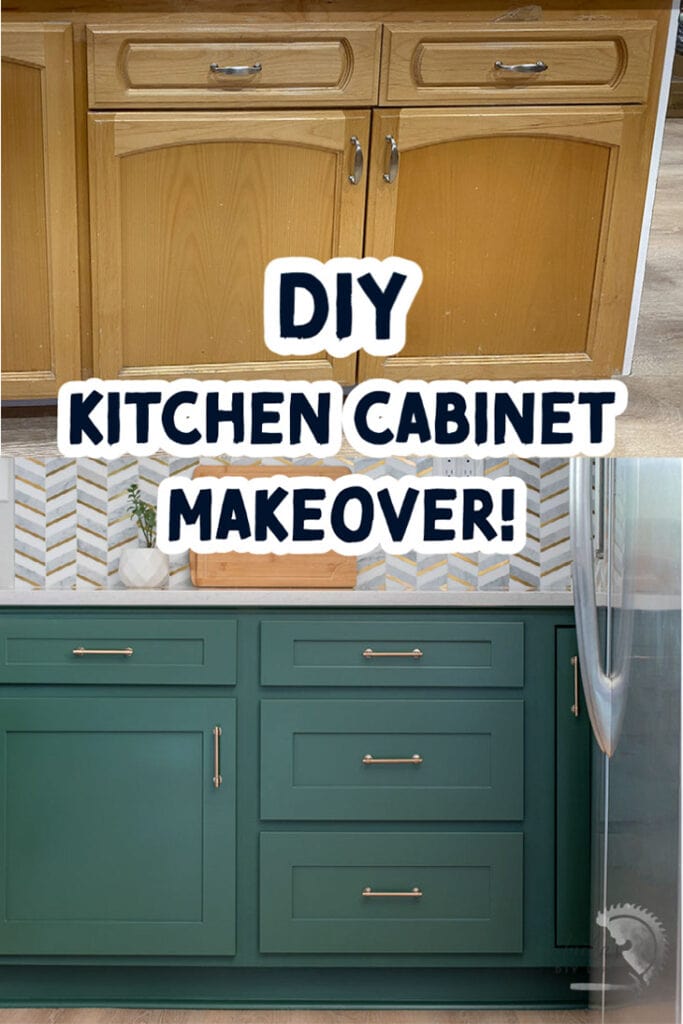
Remove old doors and fronts, cover frames with veneer, and install new hardware.
A few years ago I stood in my kitchen staring at tired old cabinets, wondering if I really needed to spend thousands replacing them. Mertin suggested refacing instead. I had no idea what that even meant at the time.
Turns out it is one of the smartest ways to update a kitchen without tearing everything apart. Same layout, same cabinet boxes, just a fresh new look. So how do I reface kitchen cabinets? After doing it myself and helping a few friends with their kitchens since, I have a clear answer.
In this guide I will show you exactly what you need, how to prep properly, and the common mistakes that end up costing people time and money.

What refacing means (and what it is not)
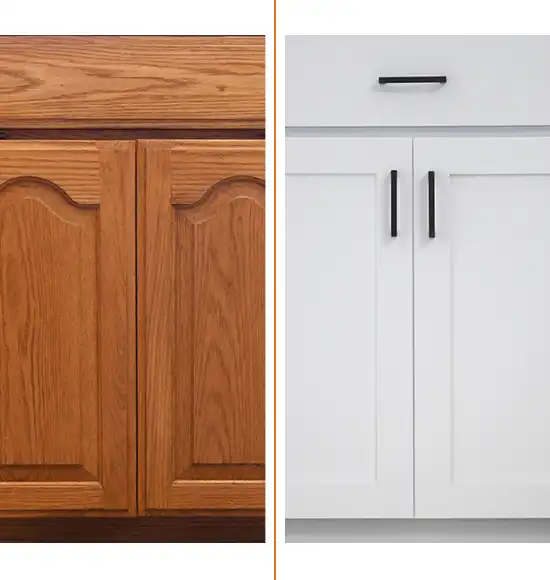
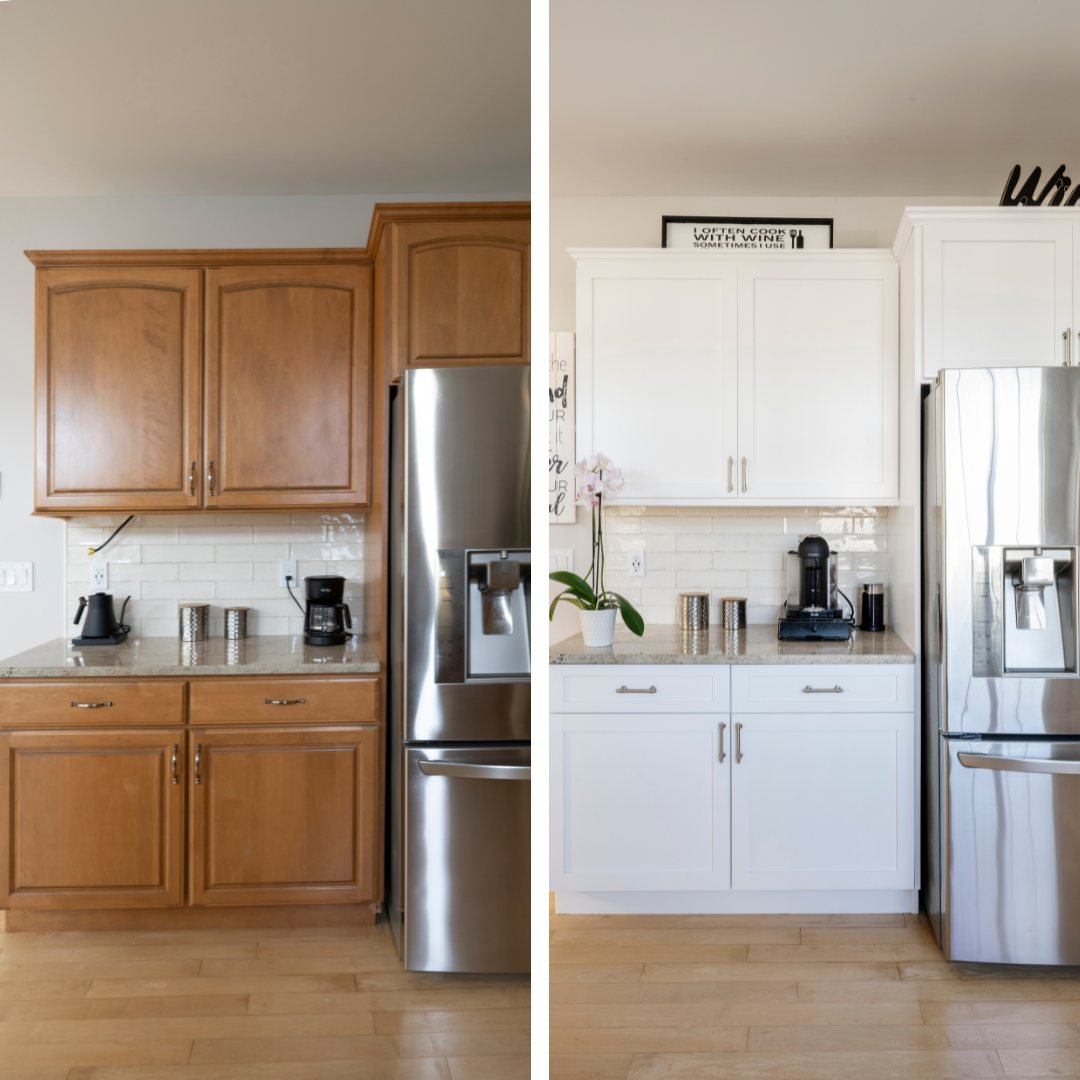
Refacing is a fast way to refresh your kitchen. You keep the cabinet boxes. You replace doors, drawer fronts, and hardware. You cover face frames and end panels with new veneer or laminate. The layout stays the same.
It is not repainting only. It is not a full gut remodel. It sits between the two. You get a big visual change for far less cost and mess.
Why pick refacing? It boosts style, hides wear, and cuts waste. It also lets you cook sooner. This is key for busy homes and small budgets.
If you search how do i reface kitchen cabinets to save money, refacing is often the best path when your boxes are solid and square.

When refacing makes sense
Check your cabinet boxes. If they are plumb, square, and dry, refacing is a match. If they sag, split, or show water damage, fix or replace first.
Choose refacing when:
- You like the current layout.
- The boxes are plywood or quality MDF and still strong.
- Hinges hold tight and frames are not warped.
- You want a fast update with low dust.
Think twice if:
- You need to move plumbing or walls.
- There is mold or big water damage.
- The toe kicks are rotten or frames are cracked.
My rule of thumb: if 80% of the boxes pass inspection, refacing is a go. If not, you will fight the install at every step.
Tools, materials, and cost
A well-planned kit makes the work smooth. Here is what I use on every how do i reface kitchen cabinets job.
Core tools:
- Tape measure, steel ruler, and square
- Utility knife with sharp blades
- Flush trim bit router or laminate trimmer
- J-roller for veneer
- Random orbit sander and sanding blocks
- Clamps, drill/driver, and small brad nailer
- Putty knives and small chisels
- Level and stud finder
Materials:
- Prefinished wood veneer or RTF (rigid thermofoil) veneer
- End panels or skins for cabinet sides
- New doors and drawer fronts
- Soft-close concealed hinges and new drawer slides if needed
- Knobs, pulls, and screws
- Degreaser, TSP substitute, denatured alcohol
- Sandpaper (120, 180, 220 grit)
- Contact cement or PSA (peel-and-stick) veneer
- Wood filler and color-matched putty
- Painter’s tape and masking materials
Budget ranges:
- DIY refacing can run $1,200 to $3,000 for a small kitchen.
- Mid-size kitchens run $3,500 to $6,500 with solid wood doors.
- Pro installs often land between $4,000 and $10,000.
Note: Door style and finish drive cost more than anything else.

Step-by-step: how do i reface kitchen cabinets
You can finish a small kitchen in two or three weekends. Work in zones so you can still cook.
- Plan and measure
- Map each cabinet. Label every door and drawer front.
- Measure openings, face frames, and end panels. Measure twice.
- Decide overlay size and hinge type. Full overlay hides more frame.
- Order doors and veneer
- Pick a style: Shaker, slab, or raised panel.
- Choose finish: painted, stained wood, or RTF.
- Order a few extra veneer strips for mistakes.
- Set up and protect
- Set up a clean, bright work zone.
- Mask countertops, floors, and nearby walls.
- Remove doors, drawer fronts, and hardware. Keep hinges together.
- Clean and prep frames
- Degrease all frames and sides. Kitchens hide old oil and wax.
- Lightly sand to scuff the surface. Wipe with alcohol to remove dust.
- Fill dings. Sand smooth. Dry fit veneer pieces to confirm sizes.
- Apply veneer to face frames
- Start with stiles (vertical). Then add rails (horizontal).
- Use PSA veneer or contact cement per instructions.
- Align, stick, and press hard with a J-roller from center out.
- Trim flush and detail
- Trim edges with a sharp knife or a flush trim bit.
- Ease sharp corners with 220-grit for a pro feel.
- Patch small gaps with color putty.
- Cover end panels and toe kicks
- Cut panels slightly oversize. Dry fit.
- Adhere and roll. Trim to fit clean.
- Add scribe molding if walls are not straight.
- Install new doors and drawers
- Mark hinge cup locations if not pre-bored.
- Mount hinges to doors. Attach to frames.
- Adjust in three directions until reveals look even.
- Add hardware
- Use a drilling jig for perfect knob and pull placement.
- Check that pulls align across banks of drawers.
- Tighten but do not over-torque.
- Final touch-ups
- Fill nail holes. Color match as needed.
- Clean all surfaces. Remove tape and dust.
- Add soft-close dampers if slides do not have them.
Pro tip from my shop: Dry run every hinge and door before drilling into the frames. It saves tears and filler later.
:max_bytes(150000):strip_icc()/cabinet-refacing-demystified-1822044-v3-e2dabd6aceb543fca7fd1302e9aecf3b.png)
Style choices for a lasting look
Door style sets the mood. Keep it clean and timeless.
Popular options:
- Shaker: Simple, works with many homes.
- Slab: Modern and easy to clean.
- Beaded or raised panel: Classic and warm.
Finish picks:
- Painted maple or MDF for smooth, bright color.
- Stained white oak or walnut for natural grain.
- RTF for budget updates and easy care.
Hardware:
- Long bar pulls for modern lines.
- Simple knobs for a calm, traditional look.
- Match finishes to faucet and lights for a tied room.
If you ask how do i reface kitchen cabinets for resale, choose light, neutral colors and soft-close parts. Buyers notice.
Measuring and ordering with confidence
Bad measurements can sink the job. Here is my checklist.
- Measure width and height to the nearest 1/16 inch.
- Pick the overlay and edge profile up front.
- Order sample doors to confirm color and sheen.
- Add two extra doors in small sizes if the budget allows. They can save a delay if one arrives damaged.
When in doubt, call the supplier. Send photos and drawings. How do i reface kitchen cabinets well? It starts with a clean order.
Surface prep and veneer tricks I learned the hard way
These small moves keep you out of trouble.
- Heat helps. In cool rooms, warm PSA veneer with a heat gun on low to boost bond.
- Roll twice. Once on install, again after 10 minutes. It grips better.
- Hide seams. Put seams at the bottom rail or back edge of a stile.
- Work clean. A tiny chip under veneer will show forever.
- New blades often. Dull knives tear veneer and chip edges.
- Pre-finish edges. A light coat of clear on raw edges resists stains later.
If you slip and nick the veneer, a wax fill stick and a blending pencil can make it vanish.

Durability, cleaning, and upkeep
Refaced cabinets can last for many years if you care for them.
- Wipe spills fast. Use mild soap and water.
- Avoid harsh pads or ammonia cleaners.
- Add soft-close hinges to reduce door slam wear.
- Use felt pads where doors may rub walls.
Every spring, check hinge screws and hardware. Tighten as needed. Small care extends life and keeps that day-one look.
Common mistakes and how to fix them
I see the same errors on many how do i reface kitchen cabinets jobs. Here is how to dodge them.
- Skipping degrease: Veneer will not stick to oil. Clean twice.
- Poor trim work: Use a guide block or bearing bit for straight cuts.
- Misaligned doors: Set a story stick for consistent hinge placement.
- Wrong hardware holes: Drill a test board first. Use a jig.
- Rushing the order: Verify every size and hinge side before paying.
If a door hangs off center, adjust the hinge screws. Modern cup hinges let you move the door up, down, in, out, left, and right.
Safety, ventilation, and eco notes
Refacing creates less waste than full replacement. You save the boxes from the landfill. Still, work safe.
- Wear eye and hearing protection when sanding and trimming.
- Vent well when using contact cement or solvents.
- Use low-VOC finishes where you can.
- Keep blades capped and away from kids and pets.
Bag sharp trim waste at once. Veneer offcuts can slice like paper.
Timeline and project plan
A simple plan keeps stress low.
- Day 1: Remove doors and hardware. Degrease, sand, and patch.
- Day 2: Veneer face frames.
- Day 3: End panels and toe kicks.
- Day 4: Hang doors and install drawers.
- Day 5: Hardware, touch-ups, and clean.
If your kitchen is large, break it into sections. How do i reface kitchen cabinets without chaos? Stage, protect, and pace the work.
Budget examples and ROI
Refacing can deliver a strong return.
- Condo galley, 12 doors, 5 drawers: $1,800 to $3,000 DIY.
- Family kitchen, 20 doors, 10 drawers: $3,500 to $6,500 DIY.
- Pro finish and install add labor but save time.
Homes with fresh, neutral kitchens often sell faster. If you ask how do i reface kitchen cabinets to prep for sale, keep it simple and bright.
Frequently Asked Questions of how do i reface kitchen cabinets
How long does cabinet refacing take?
Most DIY projects take 3 to 5 days. Larger kitchens or complex layouts can run one to two weeks.
Do I need to remove everything from the cabinets?
No, but clear the front 6 to 8 inches so you can work. Cover items inside to protect from dust.
What is the best veneer for beginners?
PSA wood veneer is easy and clean. RTF veneer is also simple and resists stains well.
Can I reface over damaged frames?
Small dings are fine if filled and sanded. Big cracks, rot, or warped frames must be repaired before refacing.
Is painting better than refacing?
Painting is cheaper but keeps old doors and flaws. Refacing replaces the doors and changes the style for a bigger upgrade.
Will new hinges fit my old holes?
Sometimes. Many refacing jobs switch to concealed cup hinges. You may need new bore holes.
Can I add soft-close drawers during refacing?
Yes. Swap drawer slides for soft-close models while doors are off. Measure slide length and cabinet depth first.
Conclusion
Refacing is a smart middle path. You keep solid boxes, upgrade the look, and control the budget. Now you know how do i reface kitchen cabinets from plan to polish, with fewer surprises and cleaner lines.
Pick a style, measure with care, and work in small steps. Protect your space, test fits, and take your time. Start your how do i reface kitchen cabinets project this weekend, and share your results or questions in the comments.