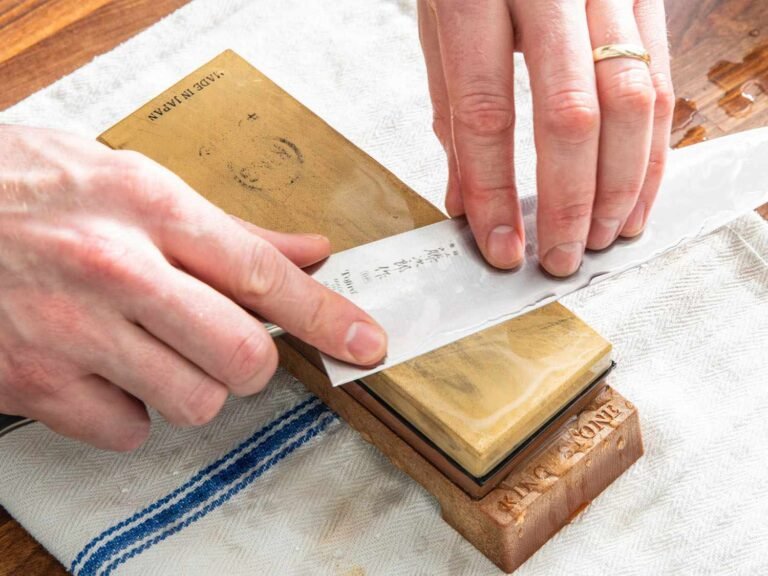
These 50 kitchen tools boost speed, safety, and flavor with less effort.
After years of cooking in rental kitchens, holiday homes, and tiny apartments across different countries, Linda and I have learned one thing — the right tool makes everything easier.
We have cooked with bad knives, wobbly cutting boards, and pans that burned everything. We have also cooked in well equipped kitchens where everything just worked. The difference is night and day. You do not need a fancy kitchen. You just need the right tools and to know how to use them properly.
That is exactly what this guide covers. We are breaking down 50 kitchen tools and equipment and their uses in plain simple language. What each one does, when to use it, and how to get the most out of it every single day.
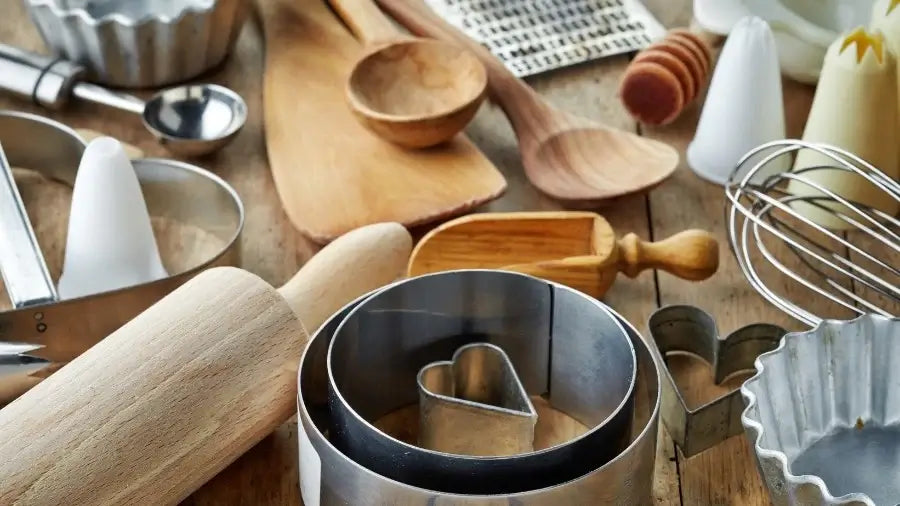
Cutting and prep essentials
Sharp, sturdy prep tools are the backbone of every kitchen. Here are 50 kitchen tools and equipment and their uses at the most hands-on stage: slicing, peeling, and shaping food with control and safety. Use a stable board, keep blades sharp, and let the tools do the work.
Personal tip: Place a damp towel under your board. It stops slipping and keeps your cuts even.
- Chef’s knife: All-purpose blade for chopping, slicing, and dicing meat, veg, and herbs.
- Paring knife: Small blade for peeling, trimming, and precise work in your hand.
- Serrated bread knife: Saw-tooth edge that cleanly slices bread, tomatoes, and cakes without crush.
- Honing steel: Realigns the knife edge for a straighter, safer cut between sharpenings.
- Cutting board: Stable surface that protects counters and your knife edge; pick wood or plastic.
- Kitchen shears: Snip herbs, cut parchment, trim poultry, and open packages fast.
- Bench scraper: Moves chopped food, cleans flour from counters, and divides dough.
- Vegetable peeler: Removes thin skins on potatoes, carrots, and fruit with little waste.
- Box grater: Shreds cheese, veg, and butter on different sides for varied textures.
- Microplane zester: Grates citrus zest, garlic, nutmeg, and hard cheese into fine, even bits.
- Mandoline slicer: Cuts paper-thin, even slices of veg and fruit; use the hand guard.
- Mortar and pestle: Crushes spices, nuts, and aromatics to release oils and deep flavor.
This is where many cuts happen. Slow down, tuck your fingers, and always use a guard on a mandoline. That one habit saves time and bandages.

Handy openers and everyday tools
This group makes daily tasks smooth. Many cooks skip them, then miss them right away. To cover 50 kitchen tools and equipment and their uses well, we need the quiet helpers too.
- Can opener: Opens cans cleanly with less risk of metal shards.
- Bottle opener and corkscrew: Pops caps and pulls corks without breaking them.
- Mixing bowls: Holds ingredients for whisking, marinating, and tossing salads.
- Wooden spoon: Stirs hot pots without scratching and does not conduct heat.
- Silicone spatula: Scrapes bowls clean and flips delicate eggs without sticking.
- Whisk: Blends batters, sauces, and dressings with air for light texture.
- Tongs: Turns food, tosses pasta, and serves salad while keeping hands away from heat.
Pro move: Keep two pairs of tongs. One stays raw-side for meat, the other cooked-side for safety.

Measuring and precision gear
Consistent food comes from accurate measuring. This part of 50 kitchen tools and equipment and their uses focuses on volume, weight, and repeatable results. Baking needs precision. Sauces benefit too.
- Measuring cups (dry): Scoops flour, sugar, and grains to set volumes for dry goods.
- Liquid measuring cup: Measures oils, broths, and water at eye level for accuracy.
- Measuring spoons: Doses salt, spices, baking soda, and extracts with repeatable precision.
- Digital kitchen scale: Weighs flour and proteins, reduces dishes, and improves consistency.
Pro tip: Weigh flour for baking. It cuts fails from packed cups and saves a batch.

Rinsing, draining, and mashing
Clean, dry produce cooks better and crisps faster. This group in 50 kitchen tools and equipment and their uses helps rinse, drain, and prep sides and salads.
- Colander: Drains pasta, rinses beans, and washes larger veg fast.
- Fine-mesh strainer: Rinses quinoa, strains sauces, and sifts dry ingredients.
- Salad spinner: Dries greens so dressings cling and leaves stay crisp.
- Potato masher: Mashes potatoes, beans, and soft fruit without overworking.
Small win: Spin your greens, then place them on a towel for one minute. Extra dry greens shine.

Baking tools and pans
Oven work needs the right pans and gentle tools. This section rounds out 50 kitchen tools and equipment and their uses for bread, cakes, pies, and crisp cookies.
- Rolling pin: Flattens dough for pie, pizza, and cookies with even pressure.
- Pastry brush: Applies butter, egg wash, glazes, and syrups with control.
- Pastry blender: Cuts butter into flour for flaky biscuits and pie crusts.
- Baking sheet (sheet pan): Roasts veg, bakes cookies, and toasts nuts with wide space.
- Muffin tin: Bakes muffins, cupcakes, mini quiches, and bite-size frittatas.
- Loaf pan: Shapes sandwich bread, banana bread, and meatloaf.
- Cake pan: Bakes round or square cakes and sticky bars evenly.
- Pie dish: Holds crusts and fillings so edges brown and the bottom sets.
- Cooling rack: Lifts bakes so steam escapes and bottoms do not sog.
- Parchment paper or silicone baking mat: Prevents sticking and aids even browning.
Baker’s note: Chill cut cookie dough on a cold sheet. It helps hold sharp edges and shape.
Stovetop and oven cookware
Great pans heat evenly, release well, and last. This part of 50 kitchen tools and equipment and their uses covers the heavy lifters you will use daily.
- Cast iron skillet: Sears steaks, bakes cornbread, and holds heat like a champ.
- Nonstick skillet: Cooks eggs, pancakes, and delicate fish with easy release.
- Sauté pan: High sides and large surface for searing, sauces, and one-pan meals.
- Saucepan: Heats grains, sauces, and soups; the lid traps steam.
- Stockpot: Boils pasta, simmers stocks, and cooks big batches.
- Dutch oven: Braises tough cuts low and slow and bakes great bread.
- Roasting pan: Holds turkeys, roasts, and veg with space for browning.
- Wok: Stirs fries fast with high heat and low oil.
From experience: Preheat pans longer than you think. A hot pan reduces sticking and boosts browning.

Thermometers and timing
Good cooks trust temps, not guesswork. Safety and quality rise when you use these small checks. It is a key theme in 50 kitchen tools and equipment and their uses.
- Instant-read thermometer: Checks meat doneness; 165°F for poultry per food safety guidance.
- Oven thermometer: Verifies your oven runs true, since many drift by 25–50°F.
I test roast chickens at 150°F in thick thigh, then rest. Carryover heat reaches safe temp and keeps meat juicy.

Blending and processing appliances
Power tools save time and open new textures. They round out 50 kitchen tools and equipment and their uses with purees, doughs, and sauces.
- Blender: Smoothies, soups, and sauces with vortex power for silky blends.
- Food processor: Chops, slices, grates, and mixes doughs in seconds.
- Immersion blender: Purees soup in the pot and blends sauces with less cleanup.
Smart tip: Let hot soups cool a bit before blending. Steam can pop lids and cause burns.
How to choose, care, and store
Owning the right gear is only half the job. Caring for tools keeps them safe and sharp. This guidance supports 50 kitchen tools and equipment and their uses with practical upkeep.
Selection tips
- Buy fewer, better tools that do more than one task.
- Test grip and weight. The best tool is the one you reach for.
- Match sizes to your stove and oven to avoid cold spots.
Care basics
- Hand-wash knives and dry at once to protect the edge.
- Season cast iron and avoid soaking it to prevent rust.
- Use nonstick on medium heat and avoid metal tools.
Storage ideas
- Keep knives on a magnetic strip or in a sheath for safety.
- Nest bowls and pans with towels to avoid scratches.
- Group tools by task so you can cook on autopilot.
A little care goes far. My first cast iron skillet is 15 years old. It still has a smooth, glassy patina because I dry it on a warm burner after each wash.
Real-world setups for every kitchen
Whether you cook in a dorm or a big house, you can build smart kits. Use this slice of 50 kitchen tools and equipment and their uses to plan your setup.
Starter kit for beginners
- Chef’s knife, paring knife, cutting board
- Tongs, wooden spoon, silicone spatula
- Measuring cups, liquid cup, spoons, small saucepan
- Nonstick skillet, baking sheet, colander
Upgrade path when you cook more
- Dutch oven, cast iron skillet, instant-read thermometer
- Food processor, microplane zester, salad spinner
- Rolling pin, cooling rack, muffin tin
Entertainer’s add-ons
- Roasting pan, oven thermometer, cake pan
- Pastry brush, bottle opener and corkscrew, mixing bowls
This staged plan stops clutter. It keeps you focused on skills and dishes you love.
Common mistakes to avoid
Even great tools cannot fix bad habits. This short list pairs with 50 kitchen tools and equipment and their uses to keep you safe and fast.
- Dull knives: They slip and cause cuts. Hone often and sharpen as needed.
- Overcrowded pans: Food steams instead of browns. Cook in batches.
- Guessing temps: Use thermometers for safety and quality.
- Dirty tools: Cross-contact spreads allergens. Wash and swap tools between tasks.
- Wrong pan heat: Preheat properly. Let oil shimmer before food hits the pan.
Small tweaks change results. Think of your tools as teammates. Treat them well and they pay you back.
Frequently Asked Questions of 50 kitchen tools and equipment and their uses
What are the most essential tools to start with?
Begin with a chef’s knife, cutting board, tongs, wooden spoon, and a saucepan. Add a nonstick skillet, baking sheet, and measuring tools for daily cooking.
Do I need both a blender and a food processor?
They overlap but shine at different jobs. Use a blender for smooth liquids and a processor for chopping, shredding, and dough.
How do I care for cast iron cookware?
Wash quickly with hot water, dry at once, then rub a thin oil layer. Heat to set the oil and keep the surface nonstick.
What temperature should chicken reach for safety?
Aim for 165°F in the thickest part per food safety guidelines. Rest five to ten minutes to keep juices in.
How often should I hone and sharpen knives?
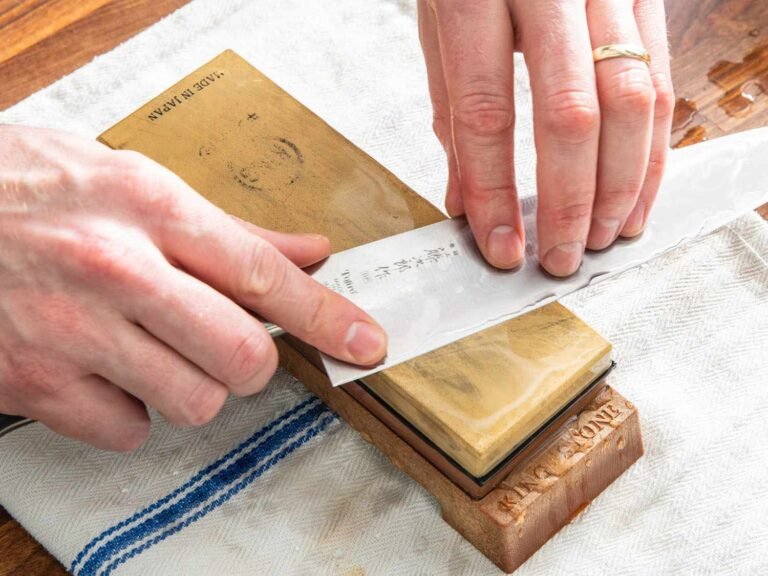
Hone before or after each use to keep the edge aligned. Sharpen on a stone or pro service every few months, based on use.
What is the difference between a sauté pan and a skillet?
A sauté pan has higher, straighter sides and a larger flat base. It holds sauces well, while a skillet has sloped sides for tossing.
Are silicone baking mats better than parchment paper?
Mats save money over time and boost even browning. Parchment is great for easy cleanup and fits pans of any size.
How can I stop cutting boards from sliding?
Place a damp towel or silicone mat under the board. It locks the board in place and helps prevent cuts.
Which thermometer should I buy first?
Start with an instant-read thermometer for meat and bakes. Add an oven thermometer to verify oven accuracy.
What tools help reduce kitchen waste?
Use a digital scale, microplane, and silicone spatula. They improve yield, reduce scraps, and help you use every bit.
Conclusion
Great food comes from good habits and the right tools. Now you know 50 kitchen tools and equipment and their uses, plus how to choose, care, and store them. Start with a small core, build as you grow, and practice with purpose. Make one upgrade this week and cook a dish that excites you.
Want more practical kitchen guides? Subscribe, share your tool wins in the comments, and tell me which tool you want mastered next.