Eliminate pantry moths by discarding infested foods, deep cleaning, and sealing containers.
We came home from a two week trip once and opened the pantry to find tiny moths flying out at us. Linda screamed. I stood there completely confused. Everything looked fine when we left — but somewhere in those two weeks something had hatched and taken over our dry food shelf.
That experience taught us exactly how to get rid of moths in the kitchen fast and how to make sure they never come back. It is easier than it looks once you know the right steps. This guide covers everything from finding the source to cleaning properly and setting up simple habits that keep your kitchen moth free for good.
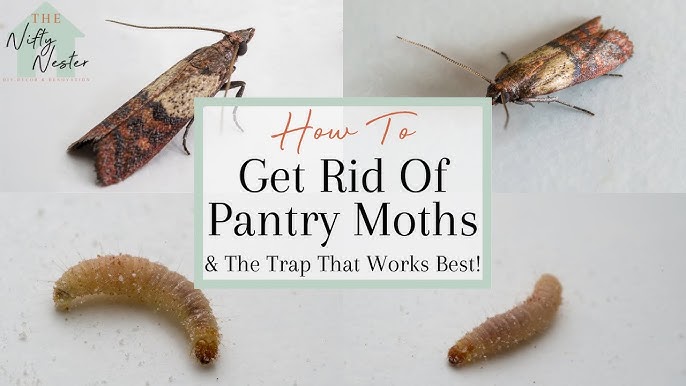
What you are dealing with: pantry moths 101
Most kitchen moths are Indianmeal moths. They live in dry foods like flour, rice, oats, nuts, seeds, cereal, and pet food. Adults do not eat your food, but their larvae do. Eggs and silky webbing hide in seams and dust.
The life cycle is simple. Adults lay eggs on food. Tiny larvae hatch and feed for weeks. They pupate in cracks, then new adults appear. Warm rooms speed this up. That is why a small issue can become a cloud of moths in weeks.
Knowing this makes how to get rid of moths in the kitchen clear. You must remove food sources, destroy eggs and larvae, and block re-entry. You also need to break the life cycle for at least one month.
Clear signs you have a moth problem
You can spot pantry moths without guesswork. Look for these signs.
- Small tan or gray moths flying at dusk or near lights.
- Threads of webbing inside flour or cereal.
- Clumps in grains that should pour free.
- Tiny wriggling larvae or small white cases along seams.
- Grit, skins, or fine dust at the back of shelves.
- Sticky spots or cocoon cases in cabinet corners or hinge gaps.
If you see any of these, plan how to get rid of moths in the kitchen now. Waiting allows another generation to hatch.
A 24-hour action plan to stop the cycle
Here is a fast plan I use with clients.
- Isolate the zone. Close doors. Turn off fans. Keep light on in the kitchen.
- Empty every pantry, drawer, and shelf that holds dry goods.
- Inspect each item over a sink or trash can. Check seams and corners.
- Discard anything with webbing, clumps, or larvae. Use a sealed trash bag. Take it outside at once.
- For items that look clean, freeze them for 72 hours. This kills hidden eggs and larvae.
- Vacuum shelves, seams, and crevices. Use a crevice tool. Empty the vacuum outside.
- Wash shelves and hardware with hot soapy water. Rinse. Then wipe with 70 percent alcohol.
- Set fresh pheromone traps for pantry moths, away from food. Note the date.
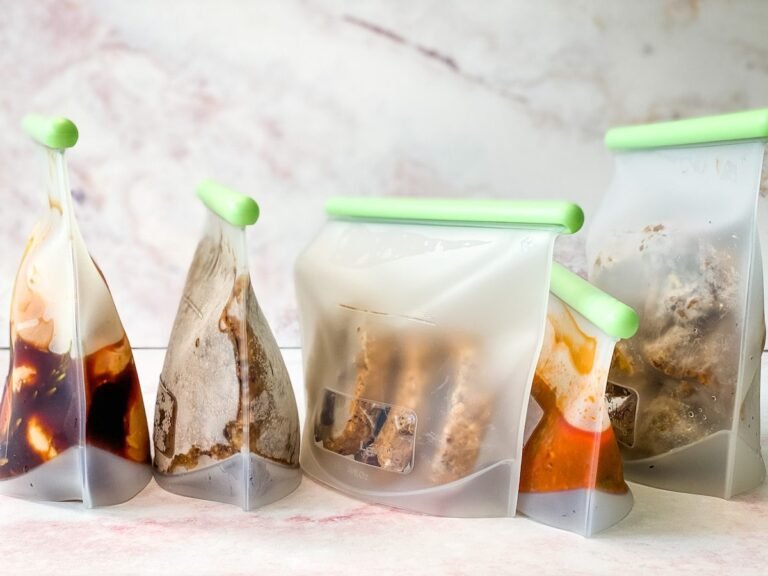
- Repackage saved foods into airtight glass or high-quality plastic with tight gaskets.
- Log what you changed. A simple note helps track progress for how to get rid of moths in the kitchen.

Deep cleaning that actually removes eggs and larvae
Eggs stick in tiny places. A light wipe will not do. Use this method.
- Vacuum first. Suction pulls out dust, eggs, and pupae from joints and shelf pins.
- Wash next. Hot water with dish soap breaks food oils, which hold moth scents.
- Rinse well. Soap film can trap odors that attract moths back.
- Disinfect. Wipe with 70 percent alcohol or a food-safe sanitizer. Let dry.
- Heat or freeze tools. If a brush or cloth touched infested food, freeze it or use hot water.
- Seal gaps. Use clear caulk on deep seams you never need to open.
Focus on hinge cups, shelf pin holes, under cabinet lips, and the top of door frames. This is where I find many pupae. Deep cleaning is the core of how to get rid of moths in the kitchen for good.

Prevention that keeps moths out for good
Good storage is your shield. Make these habits your new normal.
- Use airtight containers with tight gaskets for all grains, flour, sugar, snacks, and pet food.
- Store seldom-used items in the freezer. Think nuts, seeds, whole grains, and flours.
- Buy less, more often. Rotate stock. First in, first out.
- Wipe shelves monthly. Vacuum seams each season.
- Keep a dry, cool pantry. Moisture and heat speed growth.
- Quarantine new bulk buys for a week in a bin or freezer before shelf storage.
These simple steps make how to get rid of moths in the kitchen a one-time project, not a yearly fight.

Products that work and how to use them safely
Not all products help. These do when used right.
- Pheromone traps. These catch adult males and help monitor progress. Place one per 200 square feet. Keep them away from strong drafts. Replace every 8 weeks or sooner if full.
- Airtight containers. Choose glass jars or BPA-free plastic with silicone gaskets. Square shapes save space and seal better. Label dates.
- Freezer. Three days at 0°F kills eggs and larvae in flour, grains, nuts, and pet treats.
- Vacuum tools. A crevice tool and brush attachment reach hinges and rails.
- Diatomaceous earth. Use food grade only. Dust very lightly in empty cracks, never on food or open shelves. Vacuum residue later.
Avoid general insect sprays in food areas. Food safety agencies advise against using aerosols inside cabinets that hold food. If you must treat cracks, remove all food, treat only crevices, ventilate, and follow the label to the letter. Traps and cleaning remain the backbone of how to get rid of moths in the kitchen.
Special cases and troubleshooting
Some situations need extra care.
- Pet food and bird seed. These often start the problem. Store only in sealed bins. Freeze large bags in batches.
- Bulk bins and refills. Transfer at home into airtight containers. Freeze for 72 hours first when possible.
- Rental kitchens. Seal shelf gaps you can, and use bins inside cabinets. Take your food out if maintenance work opens walls.
- Ongoing sightings after cleaning. Check high places near the ceiling, behind crown moldings, and inside light fixtures. Pupae hide there.
If moths return, repeat the short action plan. Track trap counts weekly. That data guides how to get rid of moths in the kitchen without guesswork.
Myths and mistakes to avoid
Save time by skipping these.
- Bay leaves, cloves, and cedar do not stop an active infestation. They may smell nice but do not break the life cycle.
- Spraying everything first is risky and rarely needed. Clean and contain first.
- Keeping food in original thin bags is not enough. Moths can chew through.
- Ignoring pet treats and snacks allows a hidden hotspot to persist.
Choose steps that remove food, remove eggs, and seal access. That is how to get rid of moths in the kitchen with real results.
From the field: a quick case study
A small bakery called me after two weeks of late-night moth swarms. We found larvae in a 20-pound bag of almonds and in shelf pin holes. We froze all nuts, discarded two suspect bags, and deep cleaned hinges and rails.
We added airtight bins and monthly vacuuming. Traps caught six moths the first week, one the second, and zero by week four. That same plan is how to get rid of moths in the kitchen at home, too. Simple steps, done well, beat panic every time.
Frequently Asked Questions: how to get rid of moths in the kitchen
What causes moths in a clean kitchen?
They often hitchhike in sealed packages, bulk buys, or pet food. A few eggs in one bag can start an outbreak even when surfaces look spotless.
Can I use vinegar to kill pantry moth eggs?
Vinegar helps clean grease and odors, but it does not reliably kill eggs. Use vacuuming, hot soapy water, and 70 percent alcohol for better results.
Are bay leaves or essential oils effective?
They may smell strong, but they do not stop larvae from feeding. Use traps, deep cleaning, and airtight storage for proven control.
How long until moths are gone?
With a full cleanout, most homes see a big drop in one to two weeks. Keep traps up and habits tight for four to six weeks to break the life cycle.
Is it safe to use bug spray in kitchen cabinets?
Avoid broadcast sprays around food. If needed, treat only empty cracks with a labeled product, ventilate well, and prioritize cleaning and storage.
Do pheromone traps solve the problem alone?
No. Traps catch males and help monitor, but they do not remove eggs or larvae. Pair traps with cleaning and container upgrades.
Conclusion
You can stop pantry moths fast with a clear plan. Remove and freeze risky foods, deep clean seams, set traps, and seal everything in airtight containers. Keep up light habits each month, and you will not fight this twice.
Start today. Pick one shelf and work through the steps. If this guide helped, share it with a friend, subscribe for more home care tips, or leave a comment with your results.