Glass is safer and cleaner; plastic is lighter, cheaper, and more flexible.
Choosing between glass vs plastic food storage containers comes down to your own kitchen habits. We’re Linda and Martin, a husband-and-wife team who love to travel and write about everyday life. We’ve packed food for road trips, used containers in busy kitchens, and learned which ones crack, which ones stain, and which ones keep meals fresh. If you like trying new dishes, check out these creative cooking methods for more ideas.
Glass containers are heavy but safe for the oven and microwave, so they work well for home cooking. Plastic containers are light and hard to break, so they’re good for lunches, kids, or travel days. Once you know the difference between glass vs plastic food storage containers, you can pick the right one, spend less money, and waste less food.
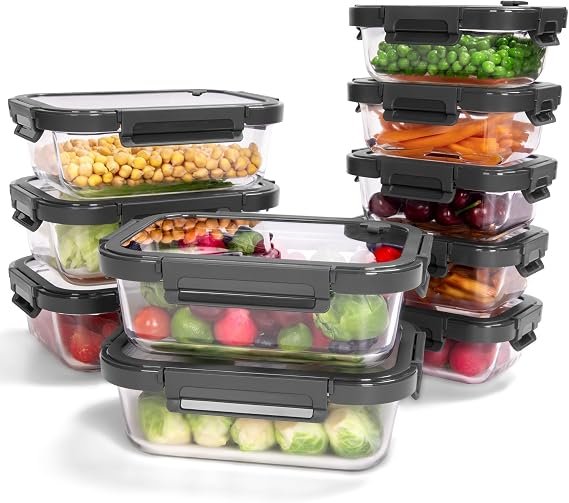
I am Using This 10-Pack Glass Food Storage Containers with Tempered Glass Lids – Borosilicate, Airtight, Oven-Safe (-4°F~950°F), BPA-Free, Leak-Proof, Dishwasher SafeWhat sets them apart
Glass vs plastic food storage containers differ in material behavior, safety, and how they handle heat and cold.
| Feature | Glass Food Containers | Plastic Food Containers |
|---|---|---|
| Material | Inert and nonporous | Usually polypropylene or Tritan |
| Stain resistance | Highly resistant to stains | May stain over time |
| Odor resistance | Does not easily retain odors | Can retain food odors |
| Durability | Solid but can break if dropped | Lightweight and less likely to break |
| Weight | Heavier | Lightweight |
| Heat resistance | Oven-safe when specifically rated | Can warp with high heat |
| Lids | Usually plastic with a silicone gasket | Usually plastic |
| Stacking | Can stack, but heavier | Easy to stack and store |
| Cleaning | Easy to clean | Easy to clean |
| BPA | Glass itself contains no BPA | Many products are BPA-free |
| Best for | Oven use, long-term storage, odor-prone foods | Travel, everyday storage, lightweight use |
If you compare glass vs plastic food storage containers by purpose, your daily habits drive the right pick: oven use favors glass; on-the-go meals favor plastic.

Safety and health factors
Food contact safety is the first filter for many buyers. Here is what the science and standards say.
| Safety & Health Consideration | Glass | Plastic |
|---|---|---|
| Chemical stability | Chemically inert and does not normally leach substances into food | Food-grade plastics are regulated, but some additives may migrate under certain conditions |
| Acidic & oily foods | Excellent choice for foods such as tomato sauce and curry | Suitable when used according to the manufacturer’s instructions |
| Heat exposure | Generally stable, but check whether the container is oven/microwave safe | Heat can increase the migration of some substances; use only microwave-safe containers |
| Microwave use | Use only glass labeled microwave-safe | Use only microwave-safe plastic; vent the lid before heating |
| Fatty foods | Good option for oily or fatty foods | Avoid prolonged contact with very fatty foods when possible, particularly during heating |
| BPA | Glass itself does not contain BPA | Many food containers are BPA-free, but BPA-free does not mean additive-free |
| Lids & seals | Lids and silicone seals may contain materials different from the glass base | Lids and seals may contain additional chemicals or plasticizers |
| Stains & odors | Highly resistant to stains and odors | Staining and lingering odors can occur as the surface wears |
| Damaged containers | Replace if cracked or chipped | Replace pieces that are cracked, badly scratched, cloudy, or heavily worn |
| Microplastics | Not a plastic source | Plastic wear can release small particles; the health implications are still being studied |
| Best practice | A strong choice for repeated use, especially with acidic or oily foods | Follow the manufacturer’s temperature and food-use instructions and replace worn |
Expert groups note that both materials are safe within rated use. For the most cautious path, store and heat in glass, and use plastic only for cold storage or short transport. That balance works well for glass vs plastic food storage containers.
Performance in the kitchen: heat, cold, and daily use
How containers behave with heat, cold, and movement matters day to day.
| Use Case | Glass Containers | Plastic Containers | Important Tip |
|---|---|---|---|
| Microwave | Excellent for reheating when labeled microwave-safe; handles heat well | Fine when labeled microwave-safe, but can stain or retain odors | Vent lids and avoid heating damaged plastic |
| Oven | Use only oven-safe glass bases | Plastic should not go in the oven | Never put plastic lids in the oven; check the maximum temperature |
| Freezer | Works well, but avoid sudden temperature changes | Works well and is less prone to breaking | Leave space for food to expand; avoid moving glass directly from freezer to a hot oven |
| Dishwasher | Generally handles hot dishwasher cycles well | Can warp, especially on the bottom rack | Place plastic containers on the top rack |
| On-the-go | Heavier but resists stains and odors | Lightweight and less likely to break if dropped | Choose plastic for portability and glass for odor/stai |
Some glass is borosilicate, which handles thermal swings better. Most US consumer glass is soda-lime, which is strong but needs careful handling. For glass vs plastic food storage containers, match the rating on the label to your use.
Durability and longevity
Durability is not only about breakage. It is also about how the surface ages.
| Durability Factor | Glass Containers | Plastic Containers |
|---|---|---|
| Impact resistance | Can chip or shatter if dropped | Rarely shatters and is generally more impact-resistant |
| Edges & rims | Chipped edges can become a safety concern | Usually less vulnerable to edge damage |
| Scratches | Less prone to scratching during normal use | Can scratch more easily |
| Clouding | Usually stays clear with proper care | May become cloudy over time |
| Heat damage | Can crack from sudden temperature changes | Can warp when exposed to excessive heat |
| Odor & stains | Resists odors and stains well | Scratches and surface wear can retain odors and food colors |
| Expected lifespan | Glass bases can last for many years with careful handling | May require more frequent replacement, particularly lids and clips |
| Best care | Handle carefully and replace chipped or cracked pieces | Replace heavily scratched, warped, or damaged pieces |
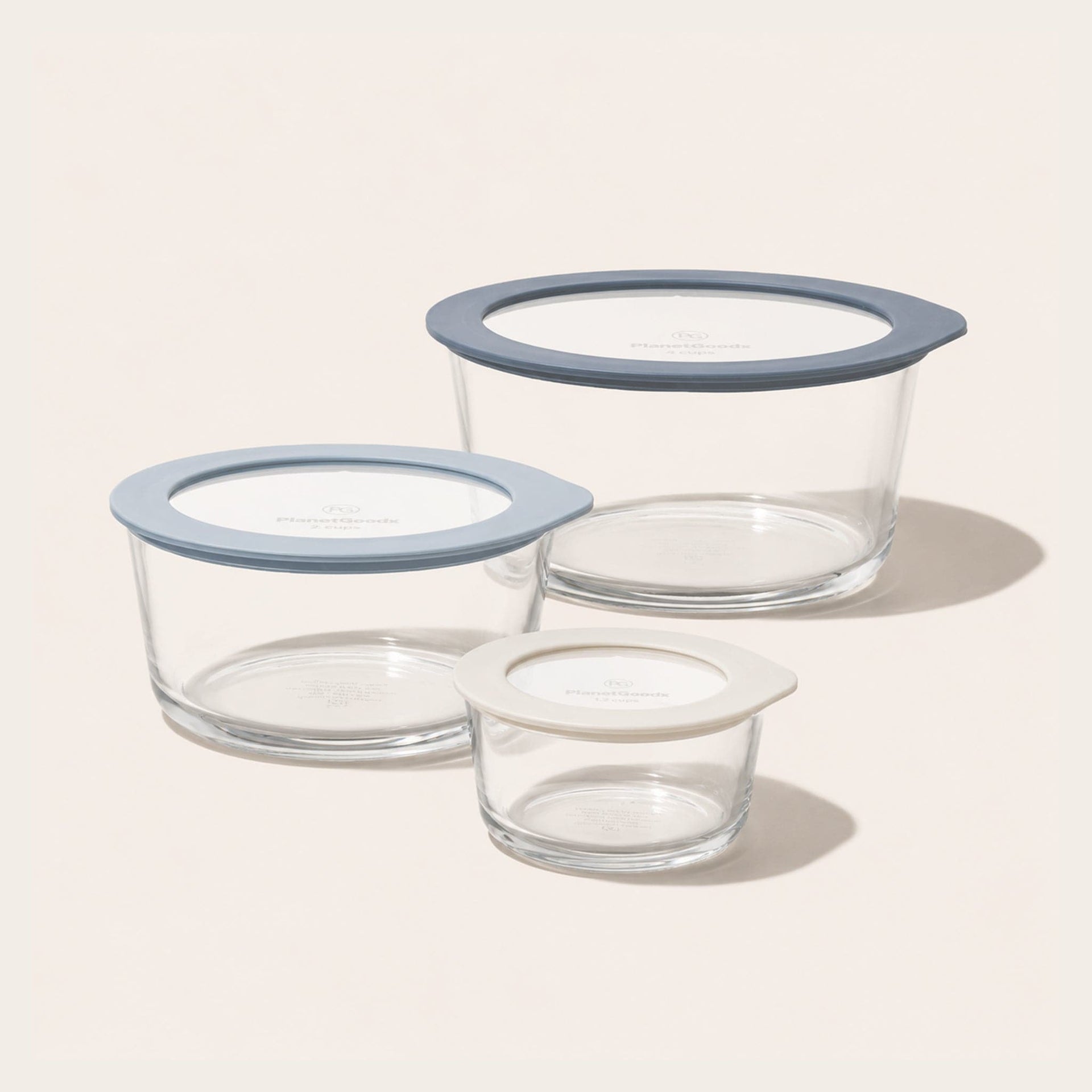
In long-term tests, my glass pieces outlast plastic by 2–3 years on average, though I replace glass lids sooner due to wear. For glass vs plastic food storage containers, think in terms of parts: bases last; lids are consumables.
Cost and value over time
Price tags can mislead. Consider total cost of ownership.
| Factor | Glass | Plastic |
|---|---|---|
| Upfront cost | Usually costs more per piece | Usually costs less |
| Long-term durability | Can last for years with careful handling | May need replacement sooner, especially lids and clips |
| Replacement costs | Lower if the glass base is kept intact | Warped containers, damaged pieces, or lost lids can add to the cost |
| Daily reheating & batch cooking | Often offers better long-term value | Convenient, but may wear faster with frequent heating |
| Kids’ lunches | Heavier and can break if dropped | Lightweight and more practical |
| Commuting & travel | Heavier to carry | Easier to carry and less likely to break |
| Best overall value | Better for frequent cooking, reheating, and long-term use | Better for portability, convenience, and lower upfront cost |
A simple rule for glass vs plastic food storage containers: pay once for the base quality you need, and expect to replace lids over time.

Sustainability and environmental impact
Sustainability is complex. It spans production, use, and end of life.
| Environmental Factor | Glass Containers | Plastic Containers |
|---|---|---|
| Production | Requires significant energy and heat to manufacture | Generally requires less heat to form, but relies largely on fossil-based feedstocks |
| Transportation | Heavier, so transportation can require more energy | Lightweight, which can reduce transportation emissions |
| Use phase | Can last for many years with proper care, spreading its manufacturing impact over many uses | Lightweight and convenient, but some containers may need replacement sooner |
| Long-term impact | Keeping a glass container for many years can reduce its environmental impact per use | Longer-lasting plastic containers can also reduce impact by avoiding frequent replacement |
| Recycling | Glass is widely recyclable where collection is available | Recycling availability varies; some areas accept PP (No. 5), but recycling rates remain relatively low |
| End of life | Recycling may not be possible for contaminated or unsuitable glassware | Food residue and local recycling rules can limit recyclability |
| Best environmental approach | Reuse for as long as safely possible and recycle when appropriate | Reuse for as long as possible and follow local plastic re |
From a lifecycle view, reusability drives the biggest gains. That is why habits matter more than the label for glass vs plastic food storage containers. Use what you own often, treat it well, and avoid single-use waste.

Best use cases and buying guide
Use material strengths to your advantage.
| Use Case | Recommended Container | Why |
|---|---|---|
| Meal prep & reheating | Glass | Choose oven-safe glass bases with silicone-gasket lids for convenient storage and reheating |
| Pantry storage | Glass or Plastic | Glass works well for strong odors and oily foods; plastic is lighter for bulk dry goods |
| Kids’ lunches & travel | Plastic | Lightweight and less likely to break; look for secure clips and leak-resistant designs |
| Freezer meals | Glass or Plastic | Both work well; choose straight-sided containers, leave headspace, and label the date |
| Batch sauces & curries | Glass | Resists stains and odors better, making it ideal for tomato sauces, curries, and other strongly flavored foods |
| Small kitchens | Plastic | Lightweight containers often stack tightly and take up less shelf space |
| Best for long-term everyday use | Glass | Durable and resistant to stains and odors when handled carefully |
| Best for portability | Plastic | Easier to carry and safer when dropped |
Buying tips for glass vs plastic food storage containers:
- Check ratings: microwave-safe, oven-safe, freezer-safe, and dishwasher-safe.
- Inspect lids: Look for a removable silicone gasket. It makes cleaning easier and reduces leaks.
- Choose shapes: Rectangles stack better than rounds in most fridges.
- Size mix: Get a set with a few 1–2 cup containers for sides and dressings.
- Certifications: BPA-free helps, but also look for LFGB-grade silicone and PP No. 5 where possible.

Care, maintenance, and safety tips
Good care extends life and keeps food safe.
- For glass: Avoid sudden temperature shocks. Let hot dishes cool before refrigerating. Do not move a frozen base straight into a hot oven. Check rims for chips.
- For plastic: Use the top rack in the dishwasher. Avoid broiling, ovens, or heat lamps. If stained, use a paste of baking soda and water. If cloudy, rough, or warped, replace it.
- For lids and gaskets: Hand-wash gaskets weekly. Dry fully before reassembly. A clean seal stops odors and leaks.
These habits protect both glass vs plastic food storage containers and keep your food tasting like it should.

Common myths to avoid
Let’s clear up frequent myths I hear when people compare glass vs plastic food storage containers.
- Myth: BPA-free means safe from all chemicals. Reality: BPA-free can still include other additives. Choose reputable brands and follow heat ratings.
- Myth: All glass is oven-safe. Reality: Only oven-safe glass bases belong in the oven. Lids and many containers are not rated.
- Myth: Plastic always leaches. Reality: Food-grade plastic used as directed has very low migration, especially when cold.
- Myth: You can freeze any container full. Reality: Leave headspace. Food expands as it freezes.
- Myth: Plastic lids are fine under a broiler. Reality: Never expose plastic lids to open heat or broilers.
Smart use beats myths. Read labels, and treat containers like tools with limits.
My hands-on lessons from the kitchen
In my test kitchen, I batch cook chili and roast vegetables on Sundays. Tomato-heavy meals live in glass. Weeks later, the bases look new, and there is zero smell. For fast weekday lunches, I grab light plastic with tight clips. It saves bag space and stress on the commute.
I once cracked a glass dish by moving it from freezer to a hot oven. That mistake taught me to thaw in the fridge or start in a cold oven. I also learned to replace plastic lids at the first sign of warping. Small habits make glass vs plastic food storage containers last much longer.
Frequently Asked Questions of glass vs plastic food storage containers
Are glass food containers safer than plastic?
Glass is inert and does not leach in normal use. Food-grade plastics are also safe when used as directed, but avoid high heat with oily foods.
Which is better for meal prep: glass or plastic?
For cook-once, reheat-often routines, glass is ideal. For travel and kids’ lunches, plastic is lighter and more practical.
Can I put plastic containers in the microwave?
Yes, if they are labeled microwave-safe. Vent the lid, avoid very oily red sauces, and use medium power to reduce heat stress.
Do glass lids go in the oven?
Most sets use plastic lids with silicone gaskets, and they are not oven-safe. Use only the glass base in the oven if it is rated.
How do I stop stains and odors in plastic?
Rinse right after use, avoid super-hot and oily foods, and use a baking soda paste for stains. Sun-drying can also help remove odors.
What type of plastic is best for food storage?
Polypropylene (PP No. 5) and Tritan are common and durable. Choose reputable brands with clear safety ratings.
Can I freeze hot food in glass?
Let food cool first to avoid thermal shock. Leave headspace and use straight-sided containers for the best results.
Conclusion
Glass vs plastic food storage containers is not a one-winner choice. Use glass for reheating, acids, and oils. Use plastic for travel, tight stacking, and kid-proof meals. Match the tool to the task, read the ratings, and set simple care habits.
Pick one upgrade this week: move sauces to glass and reserve plastic for cold snacks. You will taste the difference and your containers will last longer. If this helped, share it with a friend, subscribe for more kitchen gear guides, or leave a comment with your storage challenge.