Warm the oven, apply baking soda paste, steam, scrape gently, then wipe with vinegar.
We have stayed in a lot of rentals over the years. Some were spotless. Some were not. The worst was an oven so dirty Linda refused to use it until we cleaned it ourselves. Baked on grease, burnt bits at the bottom, the whole thing. We had no proper supplies and no idea where to start.
That afternoon taught us a lot about the Best Way To Clean Inside Of Oven properly. What actually works, what just makes a mess, and how to get it done without the whole kitchen smelling like chemicals for hours. Since then we have cleaned ovens in our own home, holiday apartments, and even helped a few friends tackle theirs. It is really not as hard as it looks once you know the right method.
In this guide I will show you exactly what works, what to avoid, and how to get your oven looking clean without the stress.

Why Oven Interiors Get So Dirty (And Why That Matters)
Every spill turns into three kinds of soil: grease, caramelized sugar, and carbon. Grease smears. Sugar burns and bonds to enamel and glass. Carbon crust needs power and patience.
Heat makes these soils cling. At 400°F and up, fats and sugars bake hard. That is why quick wipes after cooking work, and why deep cleans take smart steps.
Knowing the soil helps you choose the right method. Baking soda softens acid soils. Steam lifts loose grime. A safe scraper helps with hard carbon. Match the tool to the mess to save time and protect the finish.

The Best Way to Clean Inside of Oven: A Simple, Safe Step‑By‑Step
This is the best way to clean inside of oven for most homes. It is low-odor, low-cost, and safe on enamel and glass.
Follow these steps:
Prepare the oven
- Remove racks and thermometers.
- Warm the oven to about 140–170°F for 10 minutes. Then turn it off and crack the door. Warm metal releases grime faster.
Mix and apply baking soda paste
- Stir 1 cup baking soda with warm water to make a spreadable paste.
- Add a few drops of dish soap for extra grease cutting.
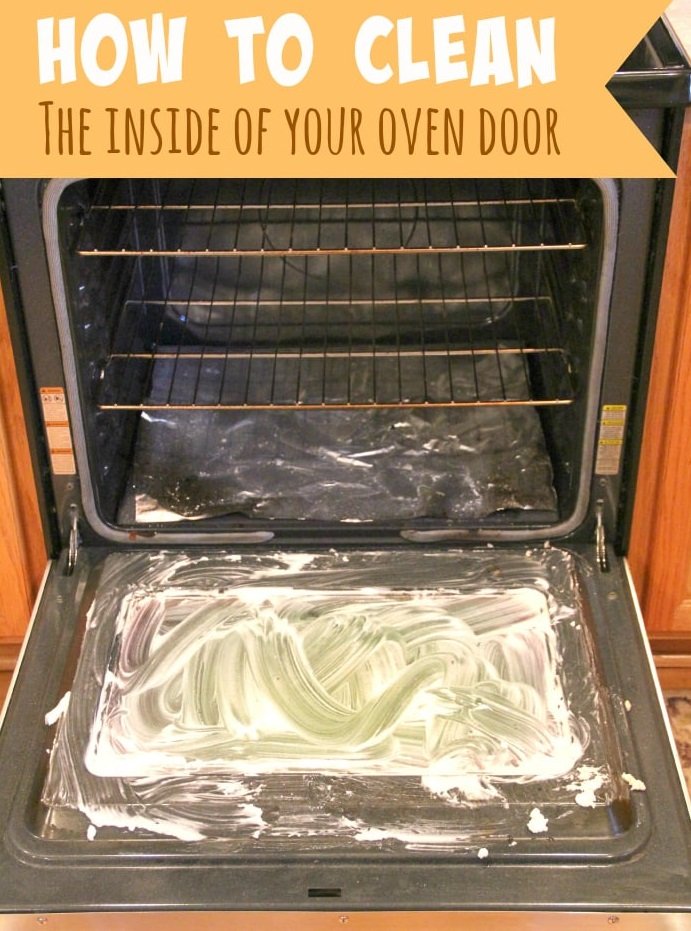
- Spread a thin, even coat over the interior. Avoid the heating elements and the door gasket.
Create steam
- Place an oven-safe pan with very hot water on the lower rack space.
- Close the door for 20–30 minutes. Steam softens baked-on soils and boosts the paste.
Dwell time and gentle agitation
- Open the door. Use a plastic scraper to lift loosened spots.
- Use a non-scratch pad for corners. Work in small sections.
Vinegar rinse
- Mist white vinegar. It will foam with remaining baking soda.
- Wipe with a damp microfiber cloth until residue is gone.
- Repeat on stubborn areas. Reapply paste only where needed.
Clean the glass
- Use the same paste on the inner glass. Let sit 10 minutes.
- Scrape with a plastic blade at a low angle. Wipe with vinegar and water.
Final wipe and dry
- Rinse cloths often. Finish with a clean damp cloth, then a dry towel.
- Let the oven air out with the door ajar.
Why this works
- Warmth softens grease.
- Alkaline baking soda breaks down fats without harsh fumes.
- Steam lifts and carries soil.
- Vinegar clears residue and leaves a streak-free finish.
I return to this process because it is the best way to clean inside of oven without risk to enamel or glass. It also controls odor, which I value when cleaning between dinner and dessert.

Supplies and Tools That Make It Easier
Gather these before you start:
- Baking soda for safe, alkaline cleaning.
- Dish soap to cut grease.
- White vinegar for residue removal.
- Plastic scraper or old gift card for stuck bits.
- Non-scratch scrub pad for corners.
- Microfiber cloths for wiping and polish.
- Oven-safe pan for steam.
- Nitrile gloves to protect your skin.
- Flashlight to spot missed areas.
Pro tip: If you often clean sticky sugar spills, keep a dedicated razor scraper only for oven glass. Use it very gently and only on the glass, not on enamel.
With the right setup, you stick to the best way to clean inside of oven and finish faster.
Alternative Methods (And When To Use Them)
Sometimes another route is faster. Here is how to choose.
Baking soda plus hydrogen peroxide
- What it is: Paste of baking soda and a little 3% peroxide.
- Use when: Heavy grease that resists soap.
- Watch for: Do not use on aluminum interiors or accessories.
Steam-only quick clean
- What it is: Pan of boiling water and a closed door for 30–45 minutes.
- Use when: Light films and fresh spills.
- Watch for: Little effect on thick carbon.
Self-clean cycle
- What it is: High heat burns off soil to ash.
- Use when: Heavy buildup and you can ventilate well.
- Watch for: Heat stress on electronics. Many brands warn to remove racks and liners. Do not use on damaged gaskets. I use this rarely and only on newer units in good shape.
Enzyme or alkaline degreasers
- What it is: Store-bought cleaners labeled safe for ovens.
- Use when: Fast turnaround on rental turnovers.
- Watch for: Follow label. Ventilate. Avoid bare aluminum and coatings not rated for strong alkali.
Each option has a place. Yet for most people, the best way to clean inside of oven is still the warm oven, baking soda paste, steam, and vinegar rinse.
Safety, Materials, and What To Avoid
Protect your oven parts and your lungs.
- Heating elements and igniters: Do not coat with paste or spray. Wipe only with a damp cloth when cool.
- Door gasket: Keep chemicals off the seal. A damaged gasket leaks heat.
- Enamel interior: Avoid metal scouring pads and harsh abrasives. They can dull the gloss.
- Aluminum parts: Strong alkali can discolor aluminum. Test first or avoid.
- Glass: Use plastic scrapers or a fresh razor at a low angle. Light pressure only.
- Air and power: Vent the kitchen. If using self-clean, remove pets and check smoke alarms.
Never mix ammonia and bleach. Avoid using commercial oven cleaner on self-cleaning ovens unless the label and the manufacturer both approve. Many brands recommend mild detergent and water for routine care. That advice aligns with the best way to clean inside of oven outlined here.

Routine Care and Prevention Tips
Keep the inside cleaner longer with small habits.
- Wipe small spills while the oven is warm, not hot.
- Use a sheet pan under pies, lasagna, or roasts.
- Cover casseroles loosely to limit splatter.
- Give the door glass a quick wipe each week.
- Set a reminder every 4–8 weeks for a light clean.
These small steps reduce the need for deep work. They also make the best way to clean inside of oven even faster next time.
:max_bytes(150000):strip_icc()/GettyImages-478046597-5cfcc543ecb846fd9783fed2be56fa06.jpg)
Troubleshooting Stubborn Baked-On Messes
Some spots need extra care. Try these:
- Dwell longer: Reapply paste. Cover with plastic wrap to keep it wet for 1–2 hours.
- Warm trick: Heat to 150°F for 5 minutes, turn off, then scrape.
- Sugar burns: Use a razor on glass only. For enamel, use repeated paste cycles.
- Carbon flecks: Place a damp cloth over the spot for 10 minutes, then lift with a plastic scraper.
- Odor control: A small bowl of baking soda left inside overnight helps after a deep clean.
Avoid chiseling with metal tools on enamel. That is the fastest way to chip the finish and make future cleaning harder. Patience is part of the best way to clean inside of oven.

Time-Saving Schedules For Busy Homes
Match your routine to how you cook.
- Light use, once a week baking: Quick steam and wipe every month. Deep clean each season.
- Family cooking, 3–5 dinners a week: Quick wipe each week. Deep clean every 6–8 weeks.
- Heavy roasting, meal prep, or holiday baking: Spot-clean after big cooks. Deep clean monthly.
If you keep to this plan, the best way to clean inside of oven stays easy. You will spend minutes, not hours.
Frequently Asked Questions
What is the best way to clean inside of oven without chemicals?
Use a warm oven, baking soda paste, and steam. Scrape gently, then rinse with vinegar and water.
Can I use oven cleaner on a self-cleaning oven?
Only if the label and your oven’s manual say it is safe. Many manufacturers advise against it to protect the enamel and gaskets.
How do I clean oven racks?
Soak racks in hot water with dish soap or a bit of oxygen cleaner for 1–2 hours. Scrub with a non-scratch pad and rinse well.
Will baking soda scratch my oven?
Baking soda is a mild abrasive, but used as a paste with water and a soft pad, it is safe on enamel and glass. Avoid dry scrubbing.
How often should I deep clean the oven?
Most homes do well every 6–8 weeks. If you roast or bake often, plan monthly deep cleans and weekly quick wipes.
Conclusion
A clean oven cooks better, smells better, and lasts longer. Warm the cavity, use a baking soda paste, add steam, scrape with care, and finish with a vinegar rinse. That simple flow is the best way to clean inside of oven for most kitchens.
Set a small schedule, keep a few low-cost tools handy, and tackle spills while they are fresh. You will save time, protect your appliance, and enjoy better food. Ready to start? Try the method today, then share your results or questions in the comments.