Begin with reliable cookware, sharp knives, sturdy boards, measuring tools, appliances, and storage.
Mertin and I have moved into more new places than we can count. Different countries, different kitchens, different layouts. And every single time we start the same way — standing in an empty kitchen wondering what we actually need.
Over the years we have made every mistake. Bought things we never used. Forgot things we needed on day one. Wasted money on stuff that broke in a month. So we put together a proper list of kitchen essentials for a new home based on real experience. Not what looks good in a store. Not what fancy chefs recommend. Just the things that actually matter when you are starting from scratch.
If you just moved in and want to set up a kitchen that works from day one, this list is for you.
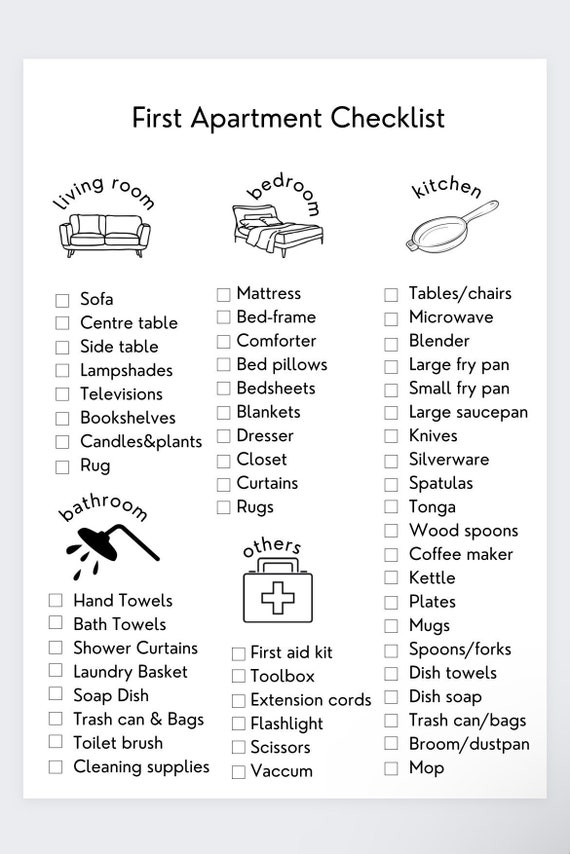
The Foundation: Cookware and Bakeware Essentials
If you want a clear list of kitchen essentials for new home cooking, start here. Good pans and trays shape every meal. Choose pieces that heat well, clean fast, and do more than one job.
Cookware
- 12-inch stainless steel skillet. Sear, sauté, and finish dishes in the oven.
- 10-inch nonstick skillet. Eggs, pancakes, and delicate fish with less oil.
- 3-quart saucepan with lid. Sauces, grains, and reheating soup.
- 6-quart Dutch oven. Braise, bake bread, and cook big batches.
- Stockpot, 8–12 quarts. Pasta, soups, and meal prep.
- Steamer basket insert. Vegetables and dumplings without a new pot.
Bakeware
- Half sheet pans, two. Roast veg, bake cookies, and crisp pizza.
- 9×13-inch baking dish, glass or ceramic. Casseroles and lasagna.
- Wire cooling rack. Rest roasts and cool baked goods.
- Loaf pan. Quick breads and meatloaf.
- Muffin tin. Egg cups and grab-and-go snacks.
- Silicone baking mat or parchment. Easy cleanup and less sticking.
Pro tip from my first apartment kitchen: two sheet pans change your week. You can roast veggies on one and toast protein on the other. Dinner lands on the table in 25 minutes.
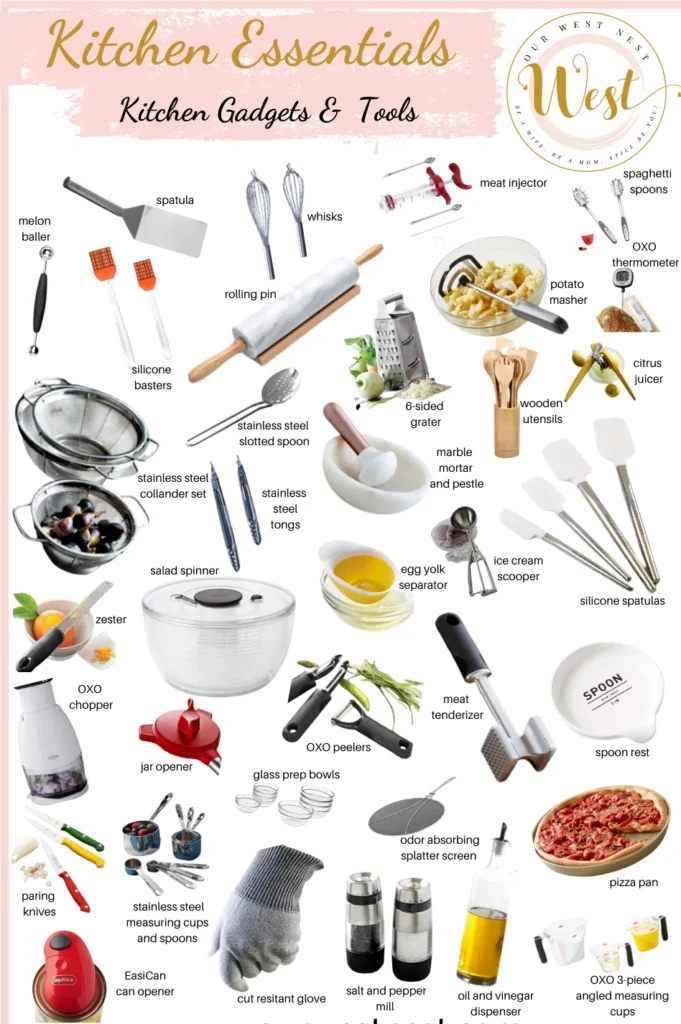
Cutlery and Prep Tools You Will Use Daily
A sharp knife and steady board can out-cook fancy gadgets. This part of the list of kitchen essentials for new home cooks saves time and fingers.
Knives and Boards
- 8-inch chef’s knife. Your main tool for most tasks.
- Paring knife. Peeling and small cuts.
- Serrated bread knife. Bread, tomatoes, and cake layers.
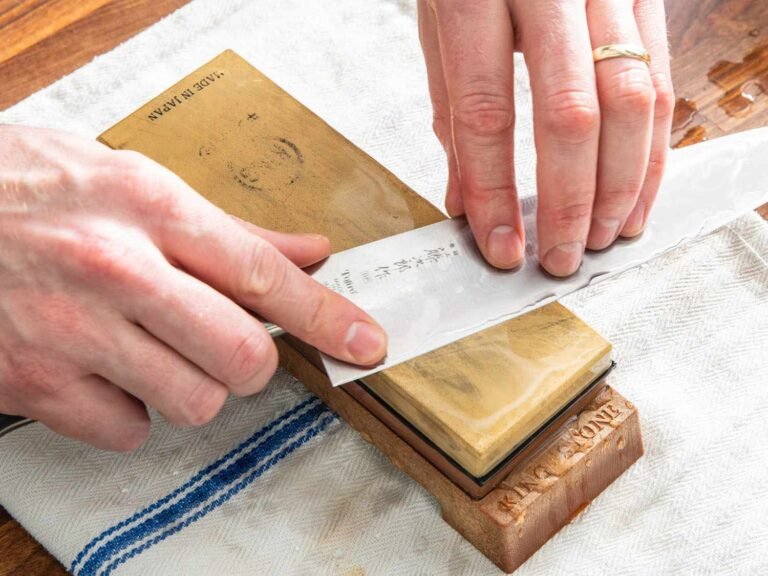
- Knife sharpener, manual or pull-through. Sharp knives are safer.
- Cutting boards, two to three. At least one large, one small. Use plastic for meat and wood for produce.
Measuring and Mixing
- Dry measuring cups and spoons. Baking and repeatable results.
- Liquid measuring cup, 2-cup size. Stocks, milk, and sauces.
- Mixing bowls, nesting set. Prep, marinate, and serve.
Prep Helpers
- Tongs and fish spatula. Flip food without breaks.
- Wooden spoon and silicone spatula. Stir and scrape without scratches.
- Ladle and slotted spoon. Soups and poaching.
- Box grater and microplane. Cheese, zest, and garlic.
- Colander. Drain pasta and rinse greens.
- Peeler and can opener. Low-cost tools that work hard.
I once tried to cook with dull knives for a month. Prep time doubled. A $20 sharpener fixed it in minutes.
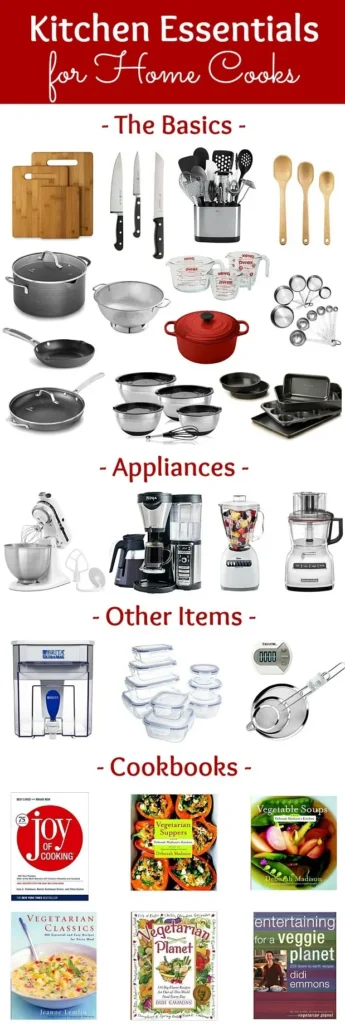
Dinnerware, Drinkware, and Storage
The right plates and containers keep meals simple and fresh. This slice of the list of kitchen essentials for new home cooks cuts waste and mess.
Dinnerware and Drinkware
- Everyday plates and bowls, service for four. Mix and match as needed.
- Mugs and water glasses. Heat-safe and dishwasher-safe.
- Large serving bowl. Salads or pasta for guests.
Storage That Stacks
- Glass containers with snap lids, a mixed set. See contents at a glance.
- Mason jars. Dressings, grains, and overnight oats.
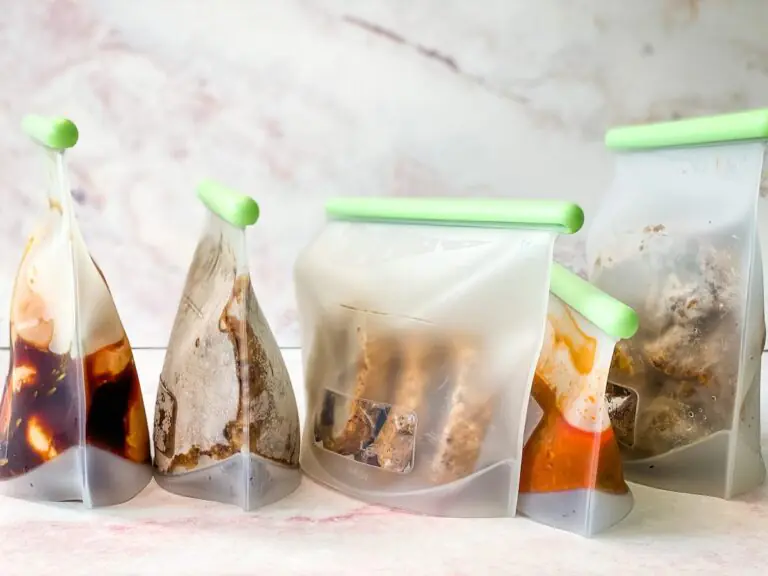
- Reusable silicone bags. Freezer and snack storage.
- Foil and plastic wrap. Cover trays and keep food fresh.
- Labels and marker. Date and rotate leftovers.
Label once, save twice. You cut spoilage and stress when you know what is inside.

Appliances: Big and Small Must-Haves
Appliances extend your reach. Buy what you will use each week. This part of the list of kitchen essentials for new home cooks keeps power use and space in mind.
Big Appliances You Rely On
- Stove and oven. Check that the oven runs true to temp.
- Refrigerator with freezer. Use bins for zones and easy access.
- Microwave. Reheat and steam fast.
Small Appliances That Earn Space
- Electric kettle. Boil water fast for tea, pasta, and blanching.
- Toaster or toaster oven. Quick toast and small bakes.
- Blender. Smoothies, sauces, and soups.
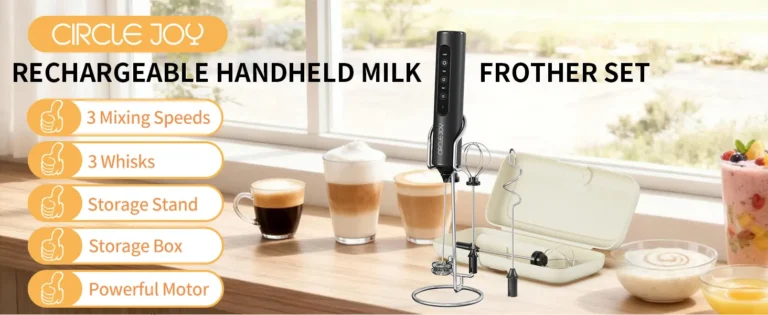
- Hand mixer. Whip cream and beat batters.
- Rice cooker or multi-cooker. Set-and-forget grains and braises.
- Coffee maker or grinder. Daily fuel with control over grind.
Tip: Measure your counter depth before you buy. Leave space for vents. Heat needs room to escape.

Cleaning, Safety, and Waste Setup
A clean kitchen is a safe kitchen. This part of the list of kitchen essentials for new home cooks prevents mess and injury.
Cleaning Tools
- Dish soap and sponge. Use a brush for tough bits.
- Microfiber cloths. Wipe and polish without lint.
- Dishwasher pods and rinse aid. Better dry and shine.
- All-purpose cleaner and degreaser. Safe for food areas.
Food Safety Gear
- Digital instant-read thermometer. Check meat temps. Poultry 165°F. Beef 145°F after rest.
- Oven mitts. Avoid burns at high heat.
- Fire extinguisher, Class K or ABC. Mount within reach, not above the stove.
- First aid kit. Bandages and burn gel nearby.
Waste and Recycling
- Trash can with lid. Control odor and pests.
- Recycling bin. Sort clean glass, metal, and paper.
- Compost pail if local rules allow it. Use liners for easy emptying.
I teach new cooks one habit. Clean while food rests. Your sink stays clear and dinner feels calm.
Pantry Staples to Stock First
A ready pantry lets you cook without panic. Build this tier of the list of kitchen essentials for new home kitchens over two shops.
Oils, Vinegars, and Sauces
- Olive oil and neutral oil. Cooking and dressings.
- Vinegars: white, apple cider, and balsamic. Bright flavor fast.
- Soy sauce, hot sauce, and mustard. Depth and heat.
Dry Goods
- Rice, pasta, and quinoa. Fast base layers.
- Beans and lentils, canned or dry. Protein and fiber.
- Flour and sugar. Baking and thickening.
- Broth or bouillon. Soups and sauces.
Herbs and Spices
- Salt and black pepper. Fresh grind if you can.
- Garlic powder, onion powder, paprika, cumin, and chili flakes.
- Italian seasoning and cinnamon. Sweet and savory range.
Fridge Basics
- Eggs, butter, and milk. Breakfast and baking.
- Lemons and limes. Acid lifts flavor.
- Yogurt. Marinades and sauces.
Keep a short list on the fridge. When you use the last one, write it down.
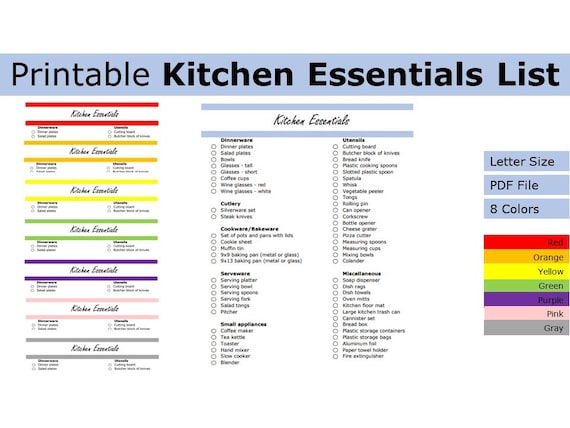
Budget, Quality, and Space: How to Choose Right
You do not need every gadget. A smart list of kitchen essentials for new home cooks follows the 80/20 rule. Buy the 20 percent of tools you use 80 percent of the time.
- Spend on your chef’s knife and skillet. You feel the value daily.
- Choose mid-range for mixing bowls and sheet pans. They last.
- Save on one-use tools. Skip the avocado slicer and banana guard.
- Check return policies. Test fit and comfort within 30 days.
- Measure storage before you click buy. Stacking saves space.
I have tested cast iron, stainless, and nonstick in busy homes. If you cook meat often, get cast iron. If you cook sauces and fish, choose stainless and a good nonstick.
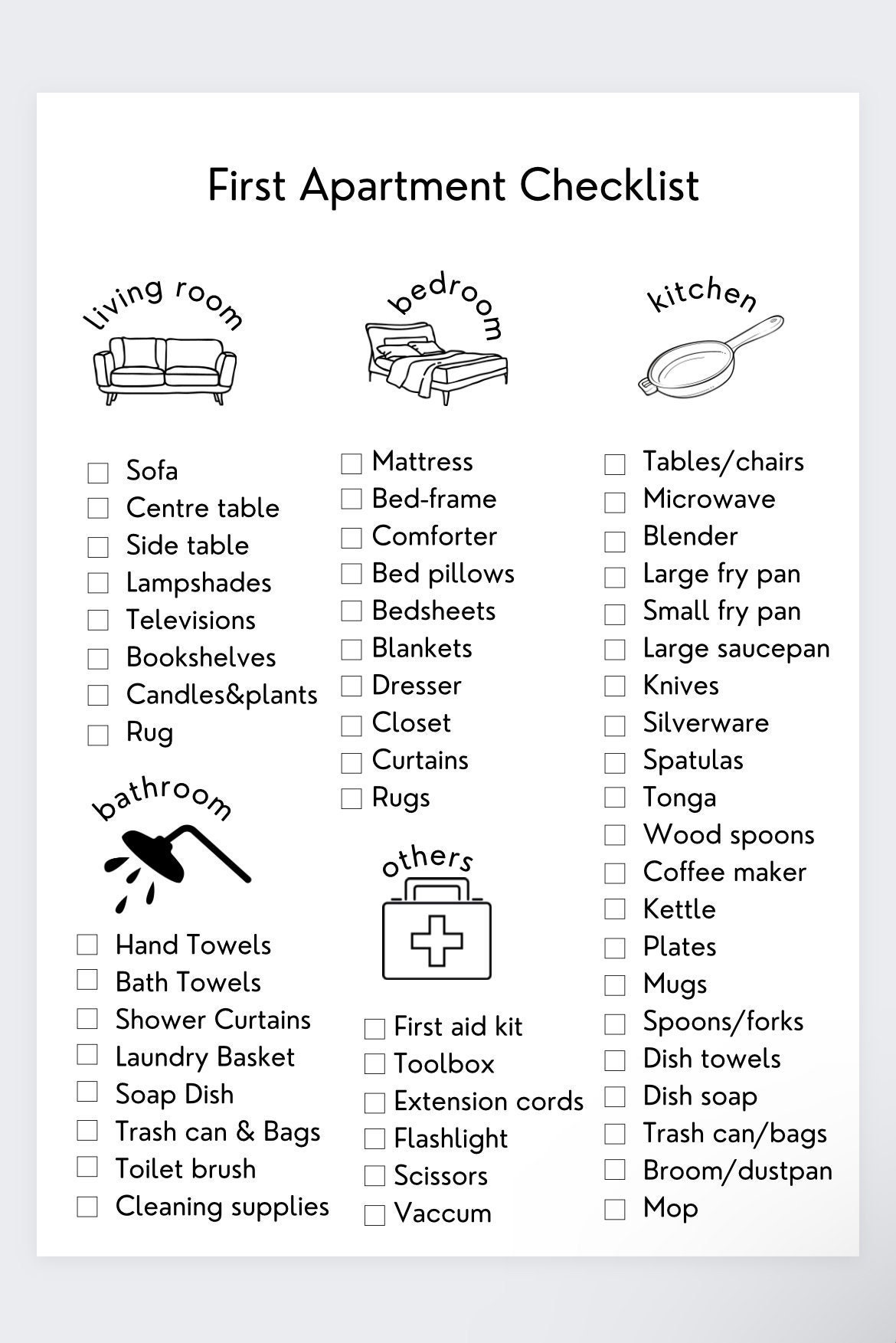
Sample First-Week Shopping Checklist
This checklist turns the list of kitchen essentials for new home life into action. Start small and add later.
- Chef’s knife, paring knife, bread knife, and sharpener
- Large cutting board and small cutting board
- 12-inch stainless skillet and 10-inch nonstick skillet
- 3-quart saucepan with lid and 6-quart Dutch oven
- Half sheet pans, two, with a wire rack
- Mixing bowls, measuring cups, and spoons
- Tongs, spatula, wooden spoon, and ladle
- Colander, peeler, can opener, and box grater
- Glass storage containers and silicone bags
- Dish soap, sponge, and microfiber cloths
- Digital thermometer and oven mitts
- Olive oil, vinegar, rice, pasta, beans, and spices
- Eggs, milk, butter, lemons, and yogurt
Tape this list to a cabinet. Cross items as you go.
Maintenance Routines That Save Time and Money
Care keeps tools working and food safe. This part of the list of kitchen essentials for new home cooks is a quiet win.
- Season cast iron monthly. Dry well and oil while warm.
- Avoid aerosol sprays on nonstick. Use a thin film of oil instead.
- Hone your knife weekly. Sharpen every few months.
- Descale your kettle and coffee maker. Hard water builds fast.
- Rotate pantry items. First in, first out to cut waste.
I learned this the hard way. A clogged coffee maker ruined a morning. Now I descale on the first Sunday each month.
Mistakes to Avoid When Building Your New Kitchen
Avoid common traps and you save cash and space. These points sharpen any list of kitchen essentials for new home setups.
- Buying sets you do not need. Most sets add duplicates.
- Skipping a thermometer. Guessing temps leads to dry meat.
- Ignoring handle comfort. A pan can feel heavy fast.
- Forgetting lids that fit. Lids lower heat loss and splatter.
- Storing knives loose. Use a sheath or block to stay sharp and safe.
Think of your kitchen like a toolbox. Each piece should earn its spot.
Frequently Asked Questions of list of kitchen essentials for new home
How much should I budget for a basic kitchen setup?
Set aside a few hundred dollars for core tools. Spend more on knives and pans, and save on extras.
Do I need both stainless and nonstick pans?
Yes, if you cook a mix of foods. Stainless sears and makes sauce well, while nonstick is best for eggs and delicate fish.
What size cutting board is best for small kitchens?
Choose the largest board that fits your sink. A 15 by 20 inch board is a good balance for most spaces.
How do I choose safe nonstick cookware?
Look for heavy bases and oven-safe ratings. Use medium heat, avoid metal tools, and replace if the surface peels.
Which spices should I buy first?
Start with salt, pepper, garlic powder, paprika, cumin, and chili flakes. Add oregano and cinnamon to cover most dishes.
How many storage containers do I need?
Begin with a 12-piece mixed set. Add more once you see your leftover habits.
What food thermometer should I get?
Buy a digital instant-read model. It reads fast and helps you hit safe temps without guesswork.
Conclusion
A focused list of kitchen essentials for new home cooking keeps you calm, fast, and safe. Choose sturdy pans, sharp knives, reliable storage, and a few small appliances you will use each week. Add pantry staples that make quick meals easy.
Start with the checklist, cook three meals this week, and note what you reach for most. Upgrade the items you touch daily. Ready to build your kitchen like a pro? Subscribe for more guides, ask a question, or share your first-week picks in the comments.