Remove the filter, soak it in hot soapy water, scrub gently, rinse, and dry.
Linda noticed it first. The kitchen fan was getting louder and the cooking smells were hanging around longer than usual. I pulled out the hood filter and honestly could not believe what I saw. Grease, dust, and months of buildup all stuck together in one grimy mess.
That was the day I learned How To Clean Kitchen Hood Filter properly. It is one of those tasks that is easy to forget but makes a huge difference once you actually do it. This guide walks you through the whole process simply and quickly so your kitchen stays fresh, safe, and working the way it should.

Why a Clean Kitchen Hood Filter Matters
A clean filter protects your home. Grease build-up can become a fire risk. It also slows airflow, makes the fan loud, and leaves smoke and odors in the room.
Cooking oils and steam carry tiny particles that stick to mesh and baffle fins. Over time, that grime drips, stains cabinets, and shortens motor life. Cleaning is simple, costs little, and keeps the hood working as designed.
Most makers advise regular care based on use. If you cook daily, clean monthly. If you fry often, clean every two weeks. Knowing how to clean kitchen hood filter well will save money and stress for years.
Identify Your Filter Type
Not all filters clean the same way. Before you start, check what you have.
- Aluminum mesh. Light and common in ducted hoods. Easy to hand-wash. Avoid harsh caustics.
- Stainless baffle. Heavier, used in higher-end or pro-style hoods. Channels trap grease well. Can handle stronger degreasers.
- Charcoal (carbon). Often in ductless hoods for odor control. Do not wash. Replace when airflow drops or smells linger.
If you are unsure, check the manual or the model tag inside the hood. This step helps you decide how to clean kitchen hood filter without damage.

Tools and Materials You’ll Need
You do not need much to get pro results at home.
- Hot water from the tap or kettle
- Degreasing dish soap
- Baking soda
- A soft nylon brush or old toothbrush
- A non-scratch sponge
- Microfiber towels
- Rubber gloves and eye protection
- A large sink, tub, or bin
- Optional: a kitchen-safe degreaser spray
Gather these items before you start how to clean kitchen hood filter. It makes the job quick and neat.

Safety and Prep
Turn off the hood and let the cooktop cool. Pull the plug if your hood has one. If it is hardwired, just make sure all burners are off and cool.
Protect the cooktop with towels. Pop out the filter by sliding the latch or tabs. Take a quick photo of how it sits. That way you re-install it right.
Test any cleaner on a corner first. Aluminum can dull if you use harsh products. Good airflow and gloves help. A little prep makes how to clean kitchen hood filter safe and smooth.
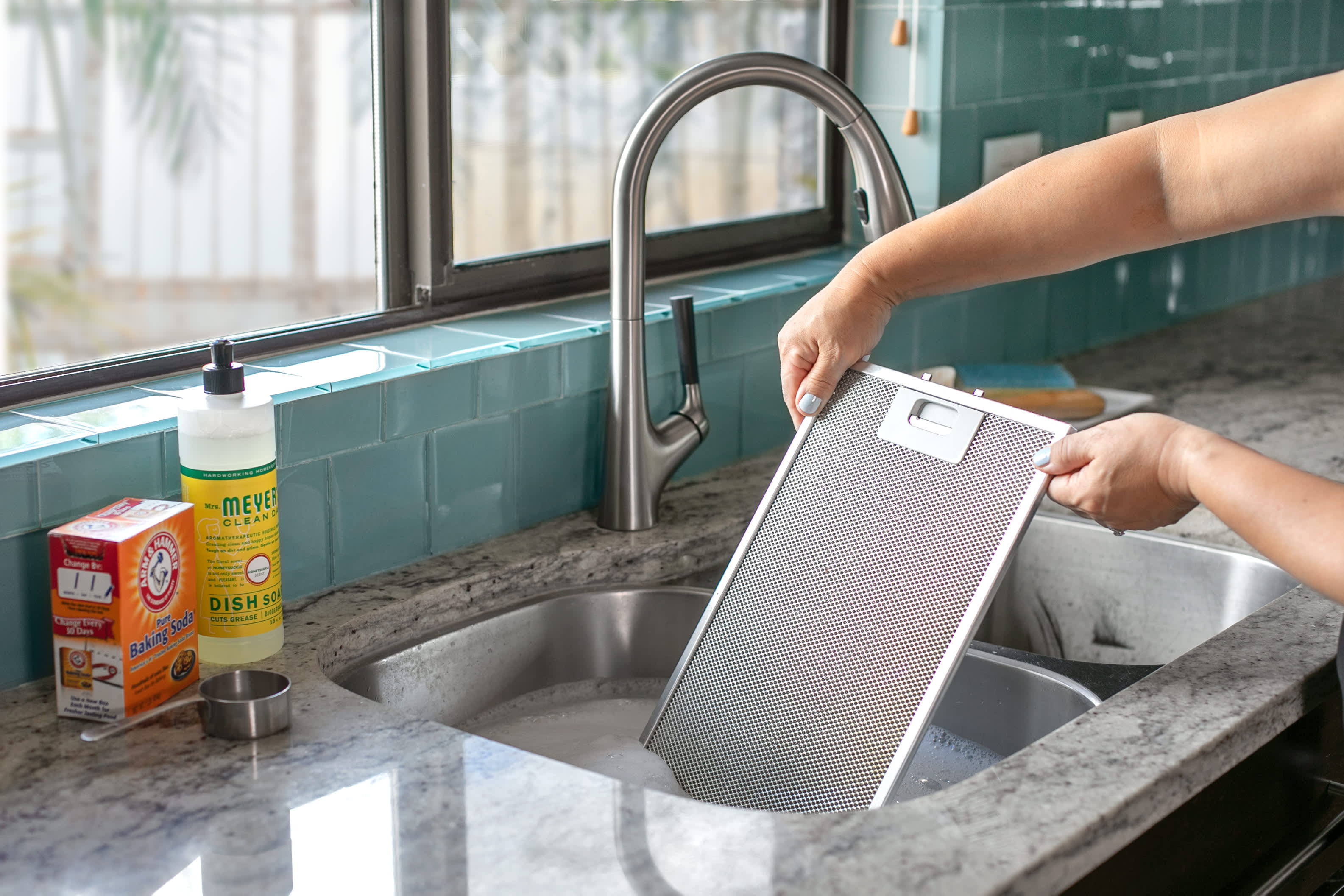
Step-by-Step: How to Clean Kitchen Hood Filter by Hand
Hand-washing is the safest method for most filters. It’s also the most thorough.
- Fill the sink. Use very hot water. Add 1 tablespoon of dish soap and 1 tablespoon of baking soda per gallon.
- Submerge the filter. Let it soak for 10 to 15 minutes. Flip it halfway if needed.
- Agitate. Swish the filter in the water to loosen grease.
- Scrub. Use a soft brush with the grain. Focus on corners and edges.
- Rinse. Use hot water until it runs clear.
- Inspect. If it still feels tacky, repeat the soak and scrub.
- Dry. Shake off water. Pat with microfiber. Air-dry fully before reinstalling.
This simple routine is the core of how to clean kitchen hood filter. It takes under 30 minutes, and the payoff is big.
Alternative Methods That Work
Every kitchen is different. These options can save time.
- Dishwasher, top rack. Many aluminum mesh and stainless baffle filters are dishwasher-safe. Use a normal cycle with no heat dry. Check your manual first. Be aware the finish may dull over time.
- Degreaser spray. For heavy build-up, spray both sides and let sit 3 to 5 minutes. Then scrub and rinse. Avoid oven cleaners on aluminum.
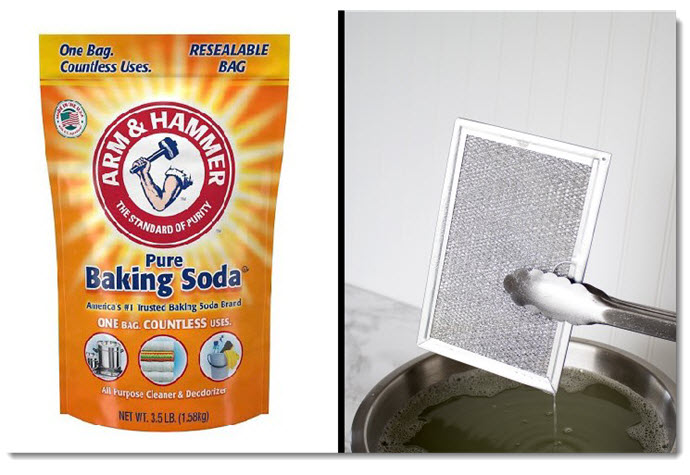
- Boil-and-bake soda method. For very greasy mesh, heat a large pot of water, add baking soda slowly, then dip part of the filter at a time. Wear gloves and avoid splashes.
Choose the path that fits your gear and time. If you rely on the dishwasher, still hand-wash once in a while for a deeper clean. That balance is key in how to clean kitchen hood filter with less hassle.

Deep-Clean Tips for Stubborn Grease
I have seen filters from a busy fry station that looked beyond saving. They were not. Here is what worked.
- Double soak. Do two 10-minute soaks in fresh hot solution. It resets the degreasing power.
- Use hotter water. Heat helps break down oils fast. A kettle top-up can help.
- Brush choice. Nylon for aluminum. Stiffer nylon for stainless baffles. No steel wool.
- Rinse direction. Rinse from the cleaner side out to push grease away, not deeper in.
- Dry time. Let it dry fully to avoid musty smells when the fan starts.
These deep-clean moves are the secret sauce in how to clean kitchen hood filter after months of neglect.

Preventive Care and Cleaning Schedule
The best clean is the one you do before grime turns sticky.
- Light cooking 3 to 4 times a week. Clean every 6 to 8 weeks.
- Daily cooking or sautéing. Clean every 4 weeks.
- Frequent frying or wok cooking. Clean every 2 weeks.
Run the fan every time you cook and leave it on for 10 minutes after. Wipe the hood underside weekly with a damp, soapy cloth. This routine makes how to clean kitchen hood filter fast and easy next time.

Troubleshooting and Common Mistakes
Here are issues I see often, and how to fix them.
- White film after cleaning. That is soap residue or hard water. Rinse with hot water and a splash of vinegar, then rinse again.
- Dull finish on aluminum. A strong cleaner caused oxidation. It is cosmetic. Switch to dish soap and baking soda next time.
- Rattling filter. It is not seated right. Reinstall with the latch fully engaged. Check for bent corners.
- Persistent odors. If you have a charcoal filter, replace it. Charcoal is not washable.
- Grease drip after reinstall. The filter was not fully dry. Air-dry longer or use a fan.
Avoid these traps, and how to clean kitchen hood filter will always give you a like-new result.
When to Replace or Call a Pro
Filters do not last forever. Replace mesh or baffle filters if they are warped, torn, or corroded. Replace charcoal filters every 3 to 6 months, or as the maker advises.
Call a pro if your duct is greasy, the motor is loud, or airflow is weak after a clean. A tech can deep-clean the housing and duct. They can also test the CFM and check the backdraft damper. Knowing when to escalate is part of how to clean kitchen hood filter with a safety-first mindset.
Real-World Example: What I Learned Cleaning Hundreds of Filters
In a small bistro, we cleaned baffle filters every Friday before service. We used a hot soak with a food-safe degreaser, then a stiff nylon brush. The first week took 40 minutes per filter. By week three, each one took 10 minutes and dried spotless.
At home, I follow the same logic with gentler products. Hot water, dish soap, and baking soda beat most grime. I learned that slower scrubbing with the grain works better than hard force. This is the heart of how to clean kitchen hood filter without damaging it.
Eco and Safety Tips for Grease Disposal
Do not pour greasy water down a sink if you have older pipes. Let the sink cool, then skim the top grease into a trash-safe container. Flush the rest with hot water and a little dish soap.
Keep cleaners labeled and away from kids and pets. Vent the room, and wear gloves if you have sensitive skin. Safe habits help you focus on how to clean kitchen hood filter while protecting your home.
Frequently Asked Questions of how to clean kitchen hood filter
How often should I clean my kitchen hood filter?
Clean it every 1 to 2 months for average cooking. If you fry often, clean every 2 weeks.
Can I put my filter in the dishwasher?
Many mesh and baffle filters can go on the top rack. Check your manual and avoid heat dry to reduce dulling.
What is the best cleaner for a greasy filter?
Hot water with dish soap and baking soda works for most grease. Use a kitchen-safe degreaser for heavy build-up on stainless baffles.
Why does my kitchen still smell after cleaning the filter?
Charcoal filters do not clean odors once saturated. Replace the charcoal insert and run the fan longer after cooking.
Is it safe to use oven cleaner on aluminum filters?
No, it can corrode aluminum and ruin the finish. Stick to dish soap, baking soda, and gentle degreasers.
Conclusion
A clean hood moves air better, smells fresher, and lowers fire risk. Remove the filter, soak in hot soapy water, scrub, rinse, and dry. Keep a simple schedule and use the right tools for your filter type.
Make today your reset day. Do one round of how to clean kitchen hood filter, note how long it takes, and set a reminder for next month. If this helped, subscribe for more hands-on kitchen care guides or share your own tips in the comments.