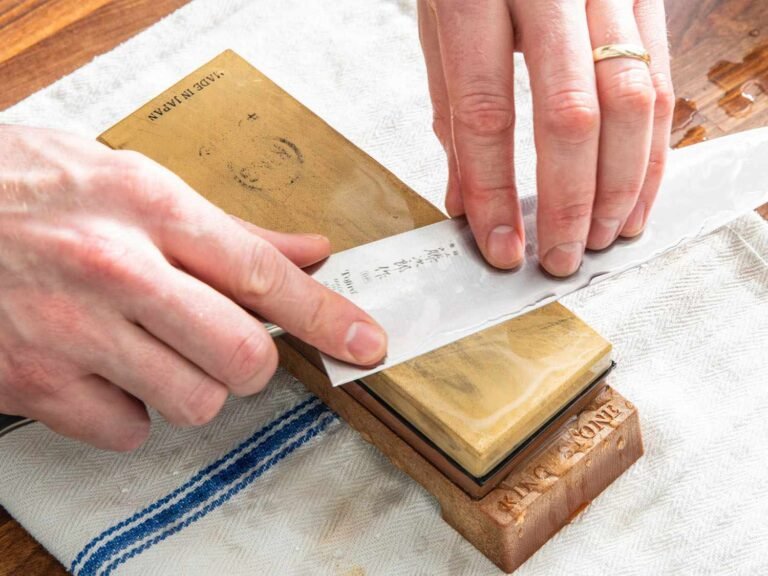
Advanced methods for creative cooking use precision, science, and artistry to transform flavor.
Advanced methods for creative cooking changed everything for us in the kitchen. Linda and I used to keep it simple on the road. Basic meals, easy ingredients, nothing fancy. Then we started learning proper techniques and cooking became one of our favorite parts of traveling.
The right methods make a real difference. Not complicated — just smart. And once you learn them you use them everywhere. This guide breaks it all down simply so you can start cooking better today.
What Advanced Methods for Creative Cooking Really Mean
Advanced methods for creative cooking go beyond recipes. They give you control. You use tools, data, and time to shape taste and texture.
The goal is simple. Repeat great results. Reduce guesswork. Raise flavor. These methods ask you to measure, record, and tweak. You build layers. You create contrast. You tell a story on the plate.
Key gains include:
- Precision. Hit target temps. Lock in moisture. Protect color and aroma.
- Texture play. Make gels, foams, and crunch. Balance soft with crisp.
- Flavor depth. Boost umami. Add acid and sweet. Use smoke and heat right.
- Speed and prep. Do hard work in advance. Serve fast and clean.
Limits to watch:
- Cost for gear. Start small and scale up.
- Learning curve. Read, test, and log notes.
- Food safety. Use clean tools. Track temps, salt, and pH.
In my kitchen, the shift came with one habit. I weighed salt, acid, and sugar. I wrote down every test. Small steps made big wins with advanced methods for creative cooking.
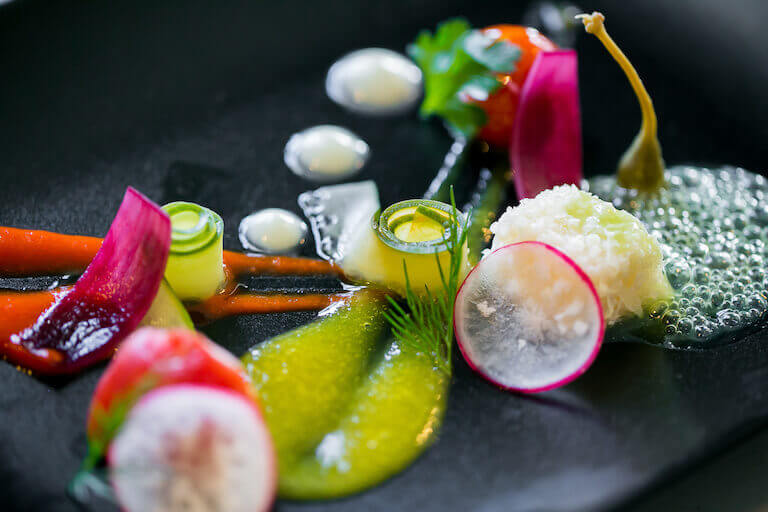
Smart Gear and Pantry for Creative Control
You do not need a lab. Start with a few proven tools.
Core tools:
- Immersion circulator for sous vide and precise heat.
- Digital scale to weigh to the gram.
- Instant‑read thermometer for checks and sears.
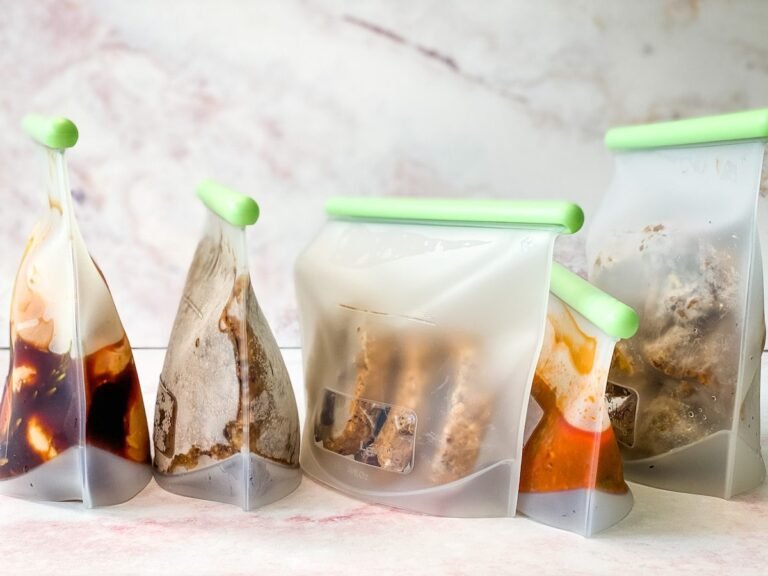
- Vacuum sealer or zip bags for sous vide and infusion.
- Fine mesh sieve and high speed blender for smooth sauces.
- Cream whipper charged with N2O for foams and light mousses.
Nice to have:
- Chamber vacuum for fast infusion and compression.
- pH meter for pickles and ferments.
- Dehydrator or low oven for chips and dusts.
- Smoking gun for cold smoke and aroma play.
Pantry boosters:
- Hydrocolloids: agar, gelatin, xanthan gum, lecithin.
- Spherification pair: sodium alginate and calcium.
- Umami: miso, fish sauce, soy, kombu, dried mushrooms.
- Sweet-sour: glucose syrup, citric acid, good vinegars.
- Enzymes and culture: rice koji, shio koji, live yogurt whey.
Safety basics:
- Clean gear and hands.
- Chill fast. Keep cold foods under 40°F. Keep hot foods over 140°F.
- Track salt percent in ferments. Track pH in pickles.
These tools make advanced methods for creative cooking more repeatable and safe.

Precision Heat: Sous Vide, Pressure, and Perfect Sear
Heat can make or break a dish. Use it with care.
Sous vide steps for steak:
- Season and bag. Add a little oil and herbs.
- Cook at 129°F for medium rare. Time depends on thickness.
- Dry the meat very well. Sear in a hot pan 45 seconds per side.
- Rest for a minute. Slice and serve.
Wins:
- Edge to edge doneness.
- Juicy and tender meat.
- Easy batch prep for guests.
Eggs are fun too. Try 145°F for 45 minutes. You get a set white and a rich yolk.
Pressure cooking shines with stocks and beans. You cut time and keep aroma. I use it for carrot soup. Then I blend and pass through a sieve. The color pops and the taste is sweet and clean.
Common mistakes:
- Wet surface before sear. Pat dry first.
- Bag float. Add weights or use a clip.
- No rest. Give food a short rest for best slice.
These steps are the base of advanced methods for creative cooking at home and in pro teams.
Modernist Textures and Flavor Techniques
Emulsions and foams
Lecithin makes a light foam from juice or stock. Blend 0.5 percent by weight. Hold the blender near the top to trap air. Spoon the foam right before service.
A cream whipper gives stable foams. Strain the base very smooth. Chill well. Charge and shake. I use it for a Parmesan foam on roasted broccoli.
Gels and pearls
Agar sets fast and holds at warm temps. Use 0.8 to 1.2 percent in water. Boil to hydrate. Cool to set. Blend set gel for a fluid gel that stays smooth on the plate.
Spherification makes liquid pearls. Blend sodium alginate into the base. Drop into a calcium bath. Rinse in water. Start with mango or yogurt. Keep the base low in calcium for clean spheres.
Thick and glossy sauces
Xanthan gum thickens cold or hot. Start at 0.1 to 0.3 percent. Blend well. It keeps sauces smooth and stable. I add a pinch to pan sauces so they coat the spoon but still shine.
Meat glue, used with care
Transglutaminase bonds proteins. You can roll uniform roasts or make neat fish terrines. Keep it cold. Wear a mask to avoid dust. Cook to safe temps.
Vacuum infusion and compression
A vacuum pulls air from fruit and veg. Liquid rushes in. Cucumber takes on gin and lime in minutes. Watermelon turns deep red and crisp when compressed. I use balsamic for quick pickled strawberries. It is fast and bright.
Dehydration for crunch
Dry herbs to make dust. Dry tomato skins for a red crisp. Dry yogurt for a tangy shard. Low heat keeps color and taste.
Modern textures help advanced methods for creative cooking stand out without hiding flavor.
Fermentation and Enzyme Magic
Fermentation builds deep flavor. It is old and safe when done right.
Lacto-fermentation:
- Salt by weight. A common start is 2 percent.
- Keep food under brine. Use a weight.
- Let it sit around room temp until sour and lively.
- Store cold when ready.
Ideas:
- Lacto chili paste for heat and tang.
- Cabbage or radish for crunch.
- Garlic honey for sweet heat.
Koji and shio koji:
- Shio koji is rice koji, salt, and water. Blend and let it ripen.
- Use it as a marinade for meat, fish, or veg.
- It boosts umami and tenderizes fast.
Miso blends are great too. Mix miso with butter for steak or corn. Stir a spoon into soups for depth.
Safety notes:
- Work clean.
- Watch for off smells or mold on the surface.
- Track pH for pickles. Under 4.6 is a safe zone.
These steps anchor advanced methods for creative cooking in time‑tested craft.
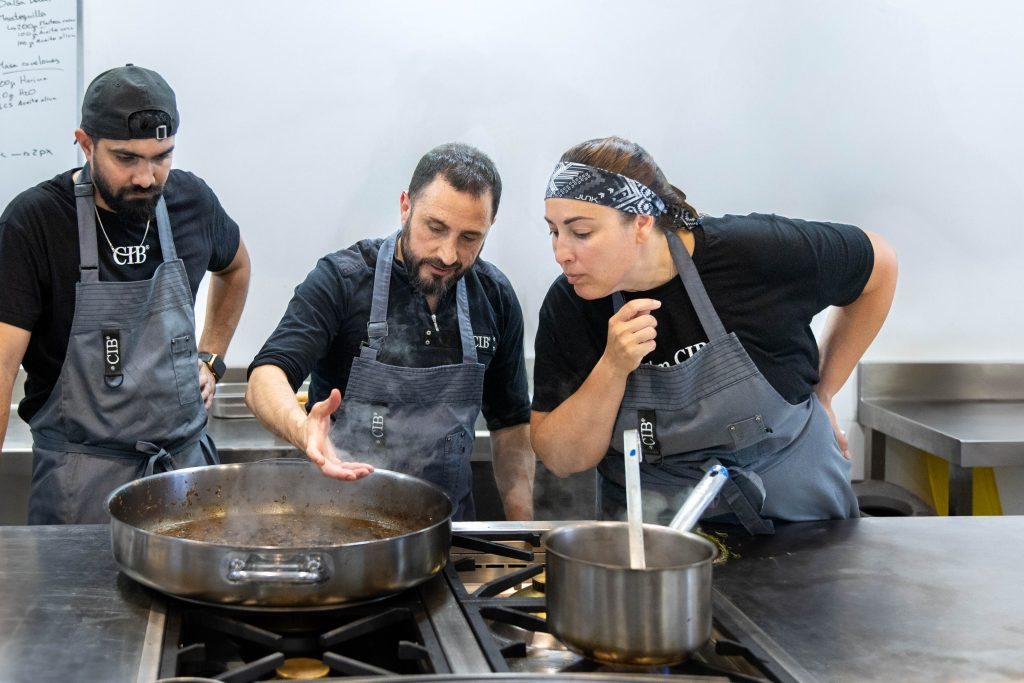
Smoke, Fire, Aroma, and Finishes
Small aroma changes can lift a dish.
Smart smoke:
- Cold smoke butter or olive oil. Use a short burst.
- Smoke cream for chowder. It adds a soft campfire note.
- Keep smoke light. You want balance, not soot.
High heat finish:
- Use a hot pan, grill, or torch for fast browning.
- Dry the surface first. Brown needs a dry stage.
- Brown butter adds a nutty note. Strain the solids.
Fast aromatics:
- Warm herbs in oil. Brush on at the end.
- Zest citrus right over the plate.
- Add a touch of vinegar or lemon to wake up a sauce.
In my tests, one drop of good sherry vinegar saved a flat stew. This tiny move is a hallmark of advanced methods for creative cooking.

Plating for Impact Without Gimmicks
Taste leads. Plating should serve that goal.
Simple rules:
- Use odd numbers on the plate.
- Balance soft, crisp, and creamy.
- Add color contrast. Green herbs, bright pickles, or a dark glaze.
- Give sauces a clear path. Dots, swoops, or a neat pool.
Tips from service:
- Warm plates for hot food. Chill for cold food.
- Wipe rims. Keep the frame clean.
- Build a clear focal point. Do not crowd.
I keep a small kit: squeeze bottles, spoons, tweezers, and a damp towel. It speeds up clean work. It also helps advanced methods for creative cooking look as good as they taste.
Testing, Iteration, and Costing Like a Pro
Great dishes come from reps, not luck.
How to test:
- Change one thing at a time.
- Use small batches.
- Weigh all inputs. Log times and temps.
Sensory checks:
- Triangles: compare two versions blind with a control.
- Texture tests: does it coat a spoon, snap, or melt?
- Hold tests: does it last for the time you need?
Menu fit:
- Map prep to your day. What can you do ahead?
- Check cost per plate. Track waste and yield.
- Set backups. If a foam drops, what is plan B?
I keep a simple sheet for each dish. It lists base ratios, gear, times, and notes. This habit turns advanced methods for creative cooking into a system you can trust.
A Sample Weekend Project Using Advanced Methods for Creative Cooking
Starter: Compressed watermelon, feta snow, and basil oil
- Compress watermelon with a light brine. Chill.
- Make feta snow by blending and freezing, then grating.
- Blend basil with oil. Strain. Plate with crunch from toasted seeds.
Main: Sous vide chicken, miso-brown butter glaze, and carrot foam
- Cook chicken thighs at 165°F until tender. Dry and sear.
- Glaze with brown butter and white miso. Add lemon.
- Make a light carrot foam with lecithin. Spoon at the last second.
Dessert: Yogurt panna cotta, strawberry pearls, and herb dust
- Set yogurt panna cotta with gelatin. Keep it light.
- Drop strawberry juice into a calcium bath for pearls.
- Dry mint. Blend to dust. Finish with a touch of olive oil.
This plan shows how advanced methods for creative cooking can fit a home weekend, yet feel like a restaurant menu.
Frequently Asked Questions of advanced methods for creative cooking
What counts as advanced methods for creative cooking?
They are techniques that give high control over heat, texture, and flavor. Examples include sous vide, gels, foams, spherification, ferments, and vacuum infusion.
Do I need expensive gear to start?
No. Begin with a scale, thermometer, and a basic circulator. Add a cream whipper or vacuum sealer when you feel ready.
Are these methods safe at home?
Yes, when you follow time and temperature rules. Keep tools clean, chill fast, and learn salt and pH basics for ferments.
How do I avoid “science project” food?
Lead with flavor. Use one or two techniques per dish, and keep the base product high quality.
What is the fastest win I can try this week?
Sous vide chicken breasts and a simple xanthan-stabilized pan sauce. You get juicy meat and a glossy sauce with little stress.
Can I use advanced methods for creative cooking for meal prep?
Yes. Many parts can be cooked, sealed, and chilled ahead. Reheat fast with precise control, and finish fresh.
How do I fix a foam that will not hold?
Strain the base and chill it well. Add a touch more stabilizer, or serve it right before it hits the table.
Conclusion
You now have the tools to cook with purpose and style. Use precise heat, shape texture, layer aroma, and test small changes. Keep notes, taste often, and let flavor lead.
Pick one method this week. Try sous vide, a quick ferment, or a simple gel. Share your plate, ask for feedback, and improve the next round. If this guide helped, subscribe for more tips, or leave a comment with your best result today.