
The best outdoor furniture blends durable materials, ergonomic comfort, and weather-smart design.
Linda and I have made every outdoor furniture mistake you can make. We bought pieces that rusted after one rainy season. We ordered a beautiful set that arrived and took over our entire balcony with no room left to actually sit comfortably. We went cheap once and replaced everything the following year. Over time we learned that the best outdoor furniture is not about what looks good in a photo — it is about material, weather resistance, comfort, space, maintenance, and whether it actually fits your budget and your lifestyle long term.
After years of buying, testing, and replacing outdoor furniture across different spaces and climates, I finally know what to look for before spending a single dollar. This guide covers every point that actually matters — from choosing the right material for your weather conditions to planning your space properly and setting a budget that makes sense. If you want outdoor furniture that lasts, feels good, and fits your space perfectly, this guide will save you a lot of time and money.
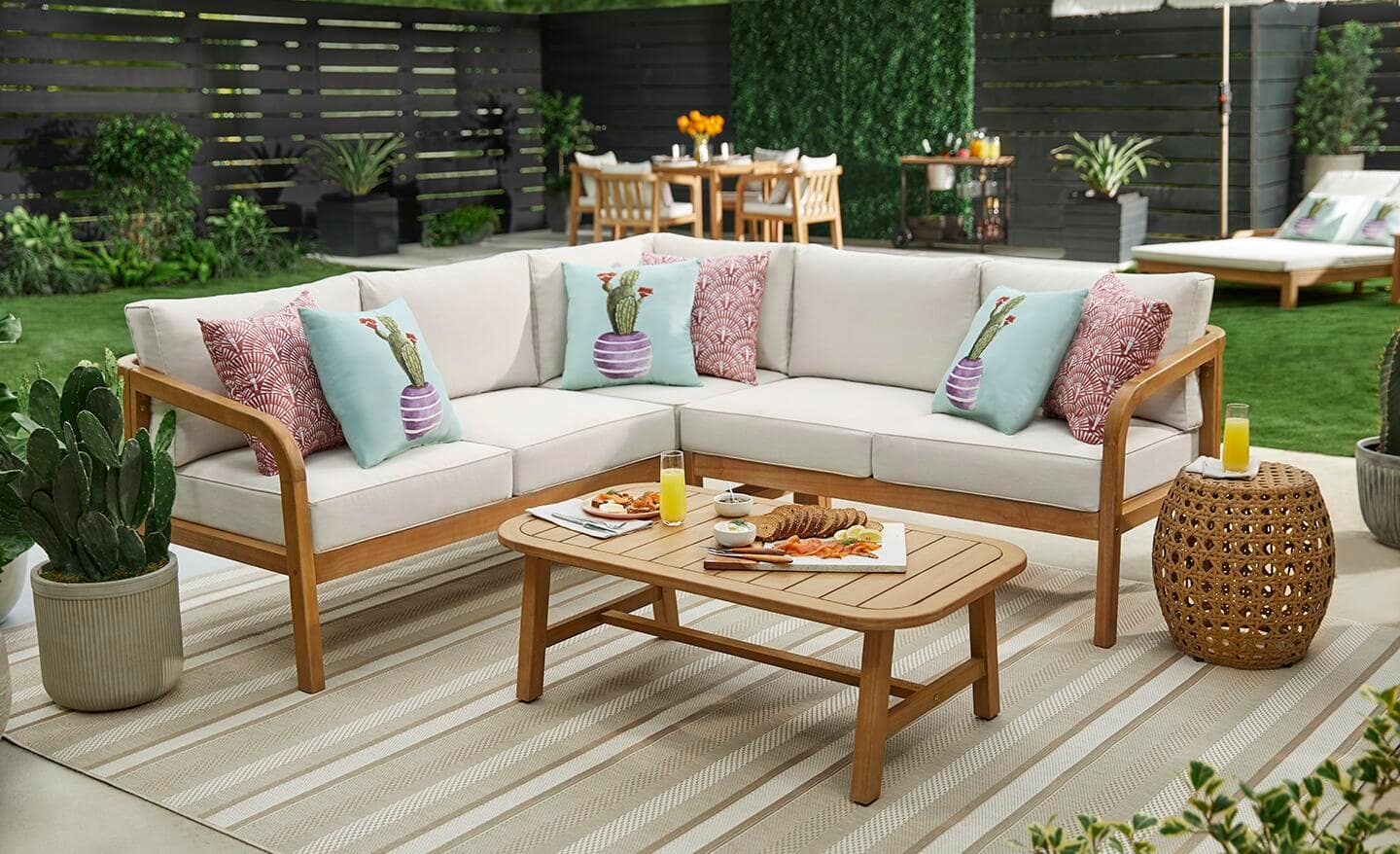
What Is Outdoor Furniture?
Put simply, outdoor furniture is any piece built to live outside — furniture designed to handle sun, rain, wind, and temperature swings without falling apart the way your living room couch would after one rainstorm. The materials, finishes, and construction are all chosen specifically to survive the elements, which is exactly why you can’t just drag a dining chair from your kitchen out onto the deck and expect it to last.
But “outdoor furniture” isn’t one single thing — it’s really an umbrella term covering quite a few categories, each suited to different spaces and different ways of living outside:
| Type | Description |
|---|---|
| Patio furniture | Patio furniture is the broad term most people reach for first, referring generally to any furniture set designed for patios, decks, or porches. |
| Outdoor chairs | Outdoor chairs cover everything from simple stackable seats to cushioned armchairs meant for morning coffee. |
| Outdoor sofas | Outdoor sofas bring that indoor-living-room comfort outside, usually built with weather-resistant frames and cushions. |
| Lounge furniture | Lounge furniture includes daybeds, chaise lounges, and low-slung chairs made for stretching out and doing nothing at all. |
| Dining furniture | Dining furniture is built around mealtime — sturdy tables and chairs meant to host everything from quick lunches to long dinner parties. |
| Tables | Tables on their own serve smaller, specific roles: side tables, coffee tables, bar tables, each shaping how a space gets used. |
| Benches | Benches offer simple, flexible seating that fits almost anywhere, from garden paths to porch corners. |
| Sectionals | Sectionals are the modular option, letting you piece together a custom seating arrangement that fits your exact space. |
Types of Outdoor Furniture
Once I had those categories straight in my head, the next question was obvious: which ones did we actually need? We didn’t have a huge backyard or an unlimited budget, so Linda and I sat down one evening with a notepad and sketched out how we really used our outdoor space — morning coffee, weekend dinners, the occasional lazy Sunday nap in the sun. That one exercise shaped almost every decision we made after, and I’d genuinely recommend doing it before you buy anything.
Here’s what we learned about each type, category by category.
Outdoor Chairs
This is where I started, and looking back, I’m glad I did. A good outdoor chair pulls up to a table, gathers around a fire pit, or just sits by the door for whoever needs a quick seat. I picked up two woven-resin chairs for our front porch as a bit of a test run, and honestly, they’ve gotten more use than almost anything else we bought that summer. If you want the full breakdown of styles and materials, I put together everything I learned in our guide to the
Outdoor Lounge Chairs
If chairs are for sitting up, lounge chairs are for stretching out. I’m talking chaise lounges by the pool, low recliners on the deck, anything built for an afternoon with a book and nowhere to be. Martin claimed a reclining lounge chair almost the day it arrived, and he’s been mildly possessive of it ever since. If lazy afternoons sound like your kind of outdoor living too, check out our guide to the [Best Outdoor Lounge Chairs].
Outdoor Dining Sets
If you love hosting, or just want somewhere proper to eat outside, a dining set isn’t optional. It’s usually a table paired with matching chairs, sized anywhere from an intimate dinner for two to a full family gathering. After that chaotic afternoon with the cooler, this was actually the very first thing Martin and I invested in. I go through everything on sizing and material in our guide to the
Outdoor Sofas & Sectionals
If you want your backyard to feel like an extension of your living room, this is the category for you. Sofas give you that classic, fixed-seat comfort, while sectionals let you rearrange pieces as your space or needs change. I eventually added a small sectional near our fire pit, and it became the one spot everyone naturally gravitated toward during evening get-togethers — I didn’t expect that, honestly.
Outdoor Tables
Beyond the dining table, the smaller tables do a surprising amount of quiet work. Side tables hold your drink within reach, coffee tables anchor a lounge area, bar-height tables suit a more social setup. It’s easy to overlook these, but Martin will happily tell anyone who’ll listen that two summers of nowhere to set his coffee mug taught him otherwise.
Outdoor Benches
Simple, sturdy, endlessly flexible — benches might be the most underrated piece on this whole list. They fit along a wall, tuck under a window, line a garden path, or offer extra seating when guests show up unannounced. I added a weathered wood bench near our flower beds mostly for looks, and somehow it’s turned into my favorite spot to sit with my morning tea.
Looking back, the real lesson wasn’t buying one of everything. It was figuring out, piece by piece, which combination actually fit the way Martin and I live outdoors — and I think that’s the same thing you’re about to figure out for yourself.
How to Choose the Best Outdoor Furniture
Start with your climate and lifestyle. The Best Outdoor Furniture should match your weather, space, and how you plan to use it. Dry, sunny areas call for UV-stable frames and fade-resistant fabrics. Coastal zones need corrosion-proof metals and marine-grade hardware.
Key criteria to evaluate:
- Durability first Choose materials that hold up to sun, rain, wind, and salt. Look for teak or HDPE for frames, powder-coated aluminum with AAMA 2604/2605 finishes, and solution-dyed acrylic fabrics like Sunbrella.
- Comfort you can feel Sit-test when possible. You want supportive cushions with quick-dry foam, proper seat height, and arms that feel right. The Best Outdoor Furniture feels good for hours, not minutes.
- Scalable pieces Think modular sectionals and nesting tables. They adapt to parties, quiet mornings, and small spaces.
- Easy care Save time with removable, washable covers and rust-proof hardware. Pick finishes that clean with mild soap and water.
- Warranty and build quality Check joinery, welds, and weight. The Best Outdoor Furniture often has multi-year frame and fabric warranties.
Pro tip from the field: I keep a small kit in my car with a magnet, tape measure, and microfiber cloth. The magnet checks for stainless steel grade (less pull on 316), the tape helps confirm scale, and the cloth shows how powder coat resists scuffs.
The Best Outdoor Furniture earns its spot by being tough, comfortable, and easy to live with.
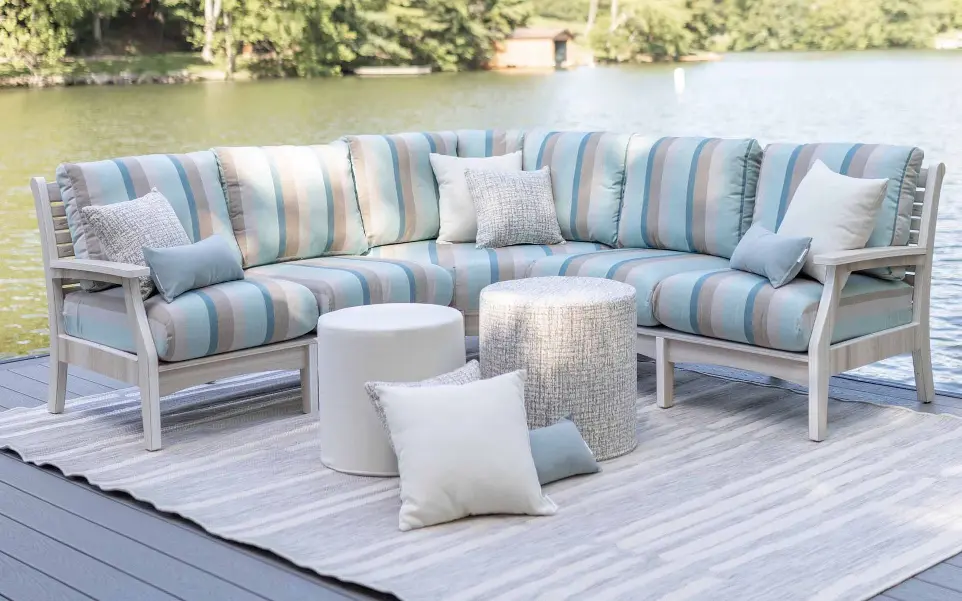
Best Outdoor Furniture Materials Compared
The right material is half the win. Here is what lasts, what to avoid, and why the Best Outdoor Furniture choices differ by setting.
Teak and other hardwoods
- Pros Naturally oily, strong, and stable when kiln-dried. Ages to a silver patina.
- Cons Pricey. Needs cleaning and optional oiling or sealing.
- Use cases Dining sets, benches, and timeless lounge frames.
What to look for: Grade A teak, mortise-and-tenon joinery, and FSC certification for responsible sourcing.
Aluminum and steel
- Pros Aluminum is light, rust-proof, and great for powder coat. Steel is very strong.
- Cons Steel can rust if the finish fails. Aluminum can feel light in high winds.
- Use cases Modern frames, stackable chairs, sleek dining sets.
What to look for: AAMA 2604 or 2605 powder coat, clean welds, stainless hardware, and sealed tube ends.
Resin wicker and synthetic rattan
- Pros UV-stable polyethylene weave, comfy, and timeless. Low maintenance.
- Cons Cheap versions fade, crack, and sag.
- Use cases Deep seating, coastal looks, covered patios.
What to look for: Handwoven HDPE strands with UV inhibitors, tight weave, and strong aluminum frames.
Recycled plastic (HDPE)
- Pros Heavy, stable in wind, and easy to clean. Won’t rot or crack.
- Cons Chunky look. Can feel warm in full sun.
- Use cases Adirondacks, dining, and benches for harsh climates.
What to look for: Marine-grade HDPE with corrosion-resistant hardware and rounded edges.
Concrete, stone, and ceramic
- Pros Very stable and sculptural. Great for windy areas.
- Cons Heavy. Needs sealing to resist stains.
- Use cases Coffee tables, side tables, and statement dining tops.
Fabrics and cushions
- Pros Solution-dyed acrylic resists UV and mildew. Quick-dry foam drains fast.
- Cons Cheaper polyester fades fast and traps water.
- Use cases All seating with cushions, pillows, and umbrellas.
What to look for: Solution-dyed acrylic, UV-stable thread, removable covers, and vented cushions. For umbrellas, aim for UPF 50+ coverage.
When you mix materials well, the Best Outdoor Furniture looks great and lasts longer than any single-material set.
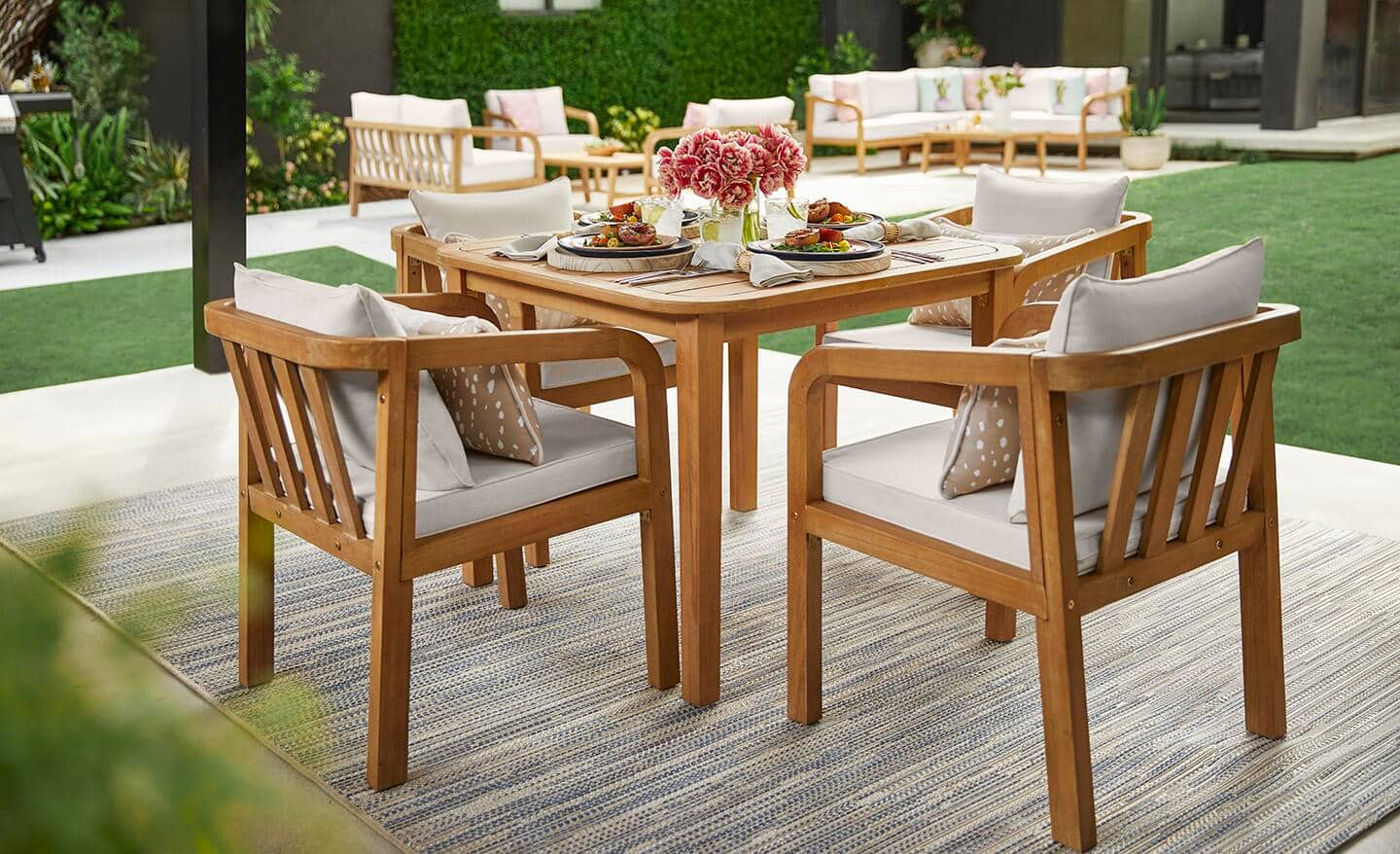
How to Choose Outdoor Furniture
If I could go back and give myself one piece of advice before that first shopping spree, it would be this: slow down. Martin and I got so excited after that camp-chair disaster that we nearly bought the first pretty dining set we saw online, cushions and all, without thinking through half of what actually mattered. Looking back, there were seven things I really wish we’d sat down and considered first, and I’m passing them along so you don’t make the same scramble we did.
1. Available Space
The first mistake I almost made was buying a six-seat dining set for a patio that, once I actually measured it, was barely big enough for four chairs and a narrow walking path. I learned to grab a tape measure and map out the space before falling in love with anything online. Measure your patio or deck first, note doorways and walkways you need clear, and only then start browsing — it saves you the heartbreak of returning something you already pictured perfectly in place.
2. Weather
Our first summer, I picked a gorgeous set without thinking once about the fact that our patio gets brutal afternoon sun for hours, then gets hammered by wind off the side yard every fall. Big mistake. Now I always think through what a piece will actually face — sun, rain, snow, humidity, wind — before buying, because furniture that thrives in a shaded, mild climate can fall apart fast somewhere hot and exposed, or somewhere that gets real winters.
3. Material
This one took me longest to understand, honestly. Different materials handle different climates and different amounts of upkeep in completely different ways — teak weathers beautifully with almost no fuss, wicker resin shrugs off rain, metal can be stunning but sometimes rusts if you’re not careful, and so on. I’d tell anyone starting out to choose material based on your actual climate and how much maintenance you’re honestly willing to do, not just which one photographs best.
4. Comfort
Here’s something nobody warned me about: furniture can look absolutely stunning in photos and still be miserable to sit in. We once ordered lounge chairs that looked incredible online, and the seat depth was so shallow neither of us could relax in them. Now I always check seat depth, cushion quality, and back support before buying anything, because you’re going to be sitting in this stuff for hours on end, not just looking at it.
5. Maintenance
I’ll be honest, I didn’t want a summer full of chores, and I bet you don’t either. Some materials need real, regular care — sealing, covering, cleaning — while others practically take care of themselves. Knowing that some materials need far more maintenance than others going in saved me from buying something beautiful that I’d have resented by August.
6. Storage
This is the one almost nobody thinks about until the first storm rolls in. Where exactly are your cushions going to live when it rains? Where does the whole set go in winter, if it needs to go anywhere at all? I learned to think about storage for both cushions and furniture during bad weather before I bought anything, not after I was standing in the rain trying to figure it out.
7. Budget
And finally — don’t do what I almost did and grab the cheapest option just because it fits the budget on paper. Our very first patio chairs were the bargain option, and they cracked within a single season. I’d rather you set a realistic budget and then spend it on the best quality that budget allows, because outdoor furniture is one of those places where cheap often ends up costing more in the long run.
Once Martin and I actually worked through these seven things together, choosing got so much easier. It stopped feeling like guesswork and started feeling like we actually knew what we were doing — which, most days, is honestly the best any of us can hope for.

Outdoor Furniture Maintenance
If there’s one thing I’ve learned since that first patio disaster, it’s that buying the furniture is really only half the job. The other half is keeping it looking decent past that first golden summer, and that part took me a little trial and error to figure out. Martin used to tease me for “babying the patio chairs,” until the summer his bargain rust-prone side table basically fell apart and mine, three years in, still looked brand new. He doesn’t tease me anymore.
Here’s everything I’ve picked up along the way.
Cleaning
I used to think a quick hose-down was enough, and for a while it was, until I noticed grime building up in the weave of our resin chairs. Now I do a proper wipe-down every few weeks with mild soap and water, and a deeper clean at the start and end of each season. Nothing complicated, just consistent — that’s really the whole secret.
Cushion Care
Cushions were my most expensive lesson. Our very first set got left out during a week of on-and-off rain, and by the time I noticed, they’d started smelling musty underneath. Now I bring cushions inside whenever I know rain’s coming, and I let them air out and dry completely before storing them, which has made a bigger difference than almost anything else on this list.
Furniture Covers
I resisted buying covers at first, honestly, because they felt like an unnecessary expense on top of everything else we’d already spent. Then I watched a season of sun fade Martin’s uncovered lounge chair while mine, covered every night, barely changed color at all. A good, well-fitted cover is one of the cheapest ways to protect furniture between uses.
Rust Prevention
This one’s specific to metal pieces, and it’s where Martin’s little side table met its end. If you’ve got metal furniture, wiping it dry after rain and keeping an eye out for the first small spots of rust makes a real difference, since rust spreads fast once it gets a foothold. A little touch-up paint or sealant early on saves you from replacing the whole piece later.
Winter Storage
Where our furniture spends the winter has probably done more for its lifespan than anything else we’ve done. Whatever we can fit goes into the shed, and anything too big to move gets a heavy-duty cover and gets pushed against the house, away from direct wind. It’s not glamorous, but it works.
UV Exposure
I genuinely didn’t think about sun damage until I saw it happen firsthand — a cushion that was a rich navy blue faded to almost gray in a single summer. Now, on days we know we won’t be using the patio, I’ll toss a cover over anything that sits in direct sun for most of the day. It’s a small habit that’s quietly saved us a lot of color and a lot of money.
Protecting Furniture From Rain
Between covers, bringing cushions in, and just paying attention to the forecast, rain protection ends up tying every other habit on this list together. I check the weather most mornings now, almost out of instinct, and it’s become second nature to tuck things away before a storm rather than scrambling after one.
None of this is complicated, honestly. It’s mostly just small, repeated habits rather than any single big effort. But those small habits are exactly why our patio furniture still looks good years later, while so many of the shortcuts we almost took would have had us replacing everything by now.and Longevity Hacks
** I label covers by piece and add color-coded tags. It saves time during storms and at season’s end. The Best Outdoor Furniture stays best when it is covered and dry.

Budget and Value: Where to Spend, Where to Save
Treat your patio like a living room. Invest where it matters and save where it won’t show.
- Spend on frames and fabrics Buy strong frames and solution-dyed acrylic. They take the most abuse.
- Save on side tables and decor Accent pieces can be swapped later.
- Watch warranties Many top makers back frames for 5–15 years. Fabrics often have 5+ year fade warranties.
- Smart shopping Look for end-of-season sales, floor models, and certified second-hand. Inspect welds, slings, and cushion foam.
If you buy once and buy right, the Best Outdoor Furniture can serve for a decade or more.
.jpg)
Sustainable and Ethical Choices in Best Outdoor Furniture
You can have style and standards. The Best Outdoor Furniture can do good and last long.
- Certified wood Choose FSC-certified teak or eucalyptus.
- Recycled materials Look for recycled aluminum and HDPE.
- Safer finishes Ask about low-VOC finishes and durable powder coats that meet AAMA standards.
- Built to repair Choose designs with replaceable slings and removable cushion covers. Spare parts keep sets in service.
Small act, big win: Select a timeless frame and refresh fabric every few years. You cut waste and keep the look fresh.
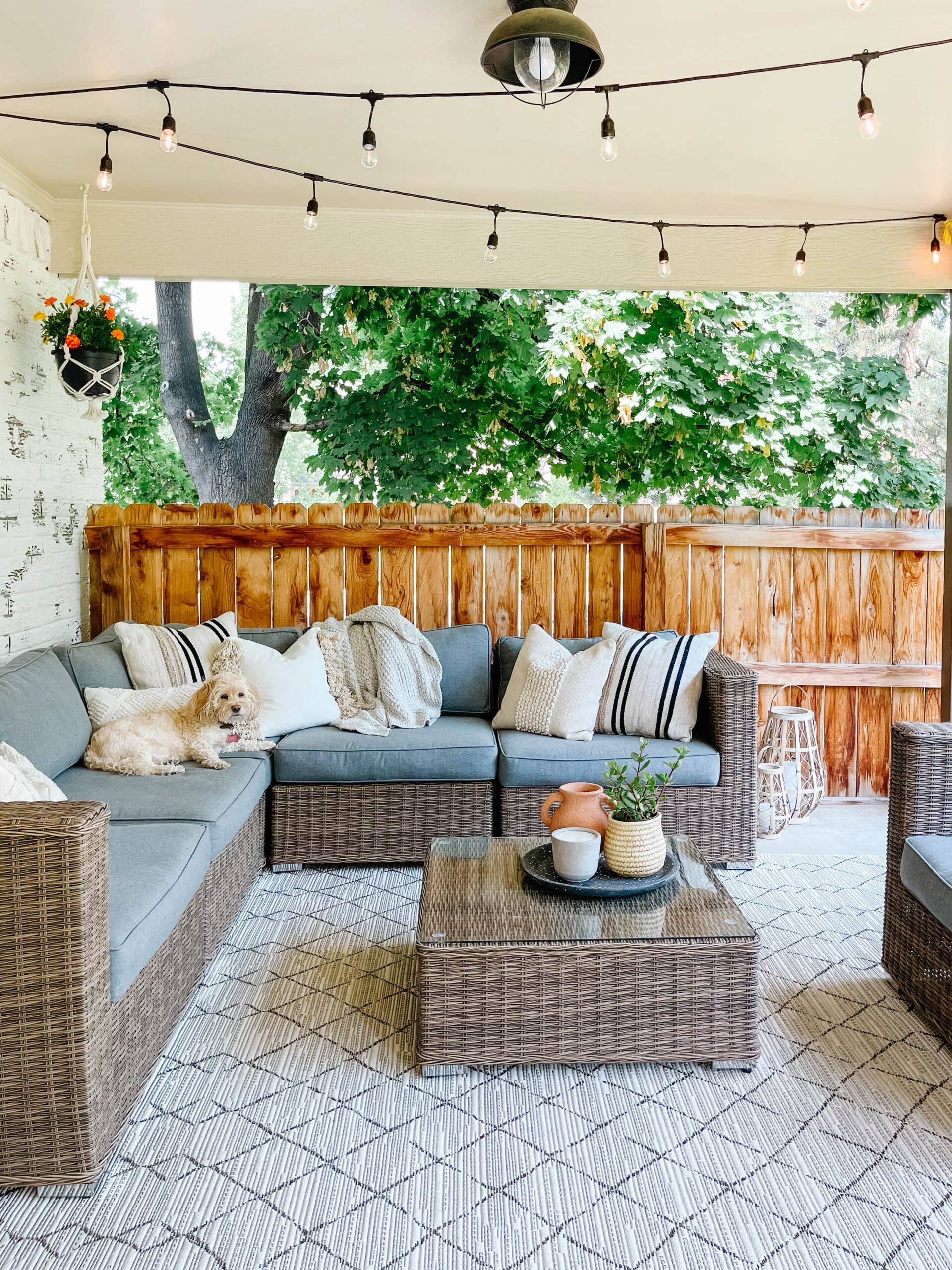
Common Mistakes to Avoid with Best Outdoor Furniture
Learn from what I have seen on jobs for years. These are easy to dodge.
- Buying too big Deep lounge seats that block doors or crowd paths.
- Wrong material for climate Steel near the ocean without top finishes will rust.
- Skipping covers Rain, sun, and birds win every time.
- Ignoring comfort Sit height too low or cushions too soft.
- No storage plan Nowhere for cushions during storms or winter.
Avoid these and you keep the Best Outdoor Furniture looking new, season after season.
Mini Buying Guide: Quick Picks by Scenario
Use these starter sets and specs to speed up your shortlist. Every option points to the Best Outdoor Furniture for the job.
- Small balcony Bistro set with folding chairs, a 24–28 inch round table, and a slim cart.
- Family patio Modular sectional with quick-dry cushions, a 36–42 inch coffee table, and a storage bench.
- Coastal deck Powder-coated aluminum frames with AAMA 2605 finish, 316 stainless hardware, and sling seating.
- Rainy climate HDPE frames, reticulated foam, vented covers, and elevated feet for drainage.
- Poolside Chaise lounges with breathable sling, wheels, and weighted umbrella base.
- Under $1,000 Mix HDPE chairs, a powder-coated table, and a market umbrella with UPF 50+ canopy.
These setups keep the Best Outdoor Furniture focused on fit, function, and value.
Frequently Asked Questions of Best Outdoor Furniture
What is the single best material for the Best Outdoor Furniture?
There is no single best, but teak, HDPE, and powder-coated aluminum top most lists. Match the material to your climate and care level.
How long should the Best Outdoor Furniture last?
Quality frames can last 10–15 years or more with care. Fabrics often need refresh every 5–7 years.
Are outdoor cushions really waterproof?
Most are water-resistant, not waterproof. Choose solution-dyed acrylic with quick-dry foam and let cushions breathe after rain.
How heavy should an umbrella base be?
Aim for 1 to 1.5 pounds per inch of canopy diameter for center-pole styles. Go heavier in windy areas or use a sand/water ballast.
Can I leave the Best Outdoor Furniture out all winter?
You can if frames are rated for it and covered, but storage extends life. Store cushions indoors and elevate frames off wet ground.
Conclusion
The Best Outdoor Furniture earns its title by surviving your weather, fitting your space, and inviting you to sit longer. Choose proven materials, plan smart layouts, and protect your pieces with simple care. Do this, and your patio becomes your favorite room.
Ready to upgrade? Use the checklists above to build a shortlist today. If you found this helpful, subscribe for more outdoor setup guides or leave a comment with your space and climate—I am happy to help you dial in the perfect plan.