The best car obd scanner gives fast, accurate codes and easy, reliable fixes.
One day, I got into my car and saw a warning light on the dashboard. I felt worried because going to a repair shop can take time and cost a lot of money. I needed a tool that could scan properly and identify the main fault. That is when I started using a car OBD scanner named MOTOPOWER MP69033 OBD2 Code Reader. It is the best car OBD Scanner. It helped me find the problem in minutes, save money, and make better repair choices. In this guide, I will share my experience to help you choose the right scanner for your car and your budget.
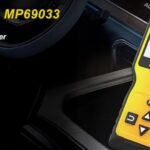
MOTOPOWER MP69033 OBD2 Code Reader

The MOTOPOWER MP69033 is a simple handheld OBD2 code reader that covers the basics very well. It plugs in, powers from your car, and shows codes on a bright screen. It can read and clear check engine light faults on most 1996+ vehicles in the US and Canada. It supports common OBD2 protocols and gives emissions readiness checks that help you pass inspection.
I like how fast it connects and how little setup it needs. There’s no Bluetooth pairing, no app, and no battery to charge. It can pull basic live data, freeze frame info, and VIN on many cars. It is a budget tool, but for quick answers and resets, it’s a reliable choice.
Pros:
- Works on most 1996+ OBD2 cars and light trucks
- No batteries or apps needed; powers from the OBD port
- Reads and clears engine fault codes fast
- Checks I/M readiness for emissions tests
- Shows freeze frame data to capture conditions when a fault set
- Simple, sturdy design that fits in a glove box
- Retrieves VIN and basic vehicle info on many models
Cons:
- No advanced OEM-level functions or bidirectional tests
- Limited live data compared with pro-grade scanners
- Engine systems only; no ABS, airbag, or transmission diagnostics
My Recommendation
If you want a low-cost, fast way to read a check engine light, this is a smart buy. It’s ideal for new DIYers, students, and drivers who want to confirm a loose gas cap or simple misfire before heading to a shop. It’s not a pro tool, but it nails the basics that most people need. If your goal is to get the best car obd scanner for casual use, the MP69033 is a safe, easy pick.
Choose it if you want plug-and-play speed, simple menus, and coverage for most cars from 1996 onward. Skip it if you need ABS, SRS, or deeper live data graphs. It offers real value, is widely available, and helps you take control of quick diagnostics without spending big.
| Best for | Why |
|---|---|
| First-time DIY users | Easy menus, no app needed, clear code definitions |
| Quick emissions checks | I/M readiness at a glance helps prep for inspection |
| Budget buyers | Low price with reliable basic functions and fast code reads |
How I choose the best car obd scanner in 2026
I measure speed, data quality, and ease of use first. A scanner that connects fast and reads codes cleanly saves time. Clear text and direct terms matter more than fancy screens. I avoid tools that lag or require long setup steps.
I check protocol coverage across common OBD2 standards. These include ISO 15765-4 (CAN), ISO 9141-2, KWP2000, and SAE J1850 VPW/PWM. Most 2008+ cars speak CAN, but older vehicles vary. The best car obd scanner must handle a wide range.
I test on different makes and model years. I compare basic readers, Bluetooth dongles with apps, and mid-tier handhelds. I also assess long-term support, firmware updates, and warranty terms. These details show if a tool will keep working as cars age.
Key features that matter before you buy
Here are the features I look for when I test and recommend the best car obd scanner. Each helps you solve real issues without extra hassle.
- Code reading and clearing: Must read stored, pending, and permanent codes.
- I/M readiness: Essential for emissions test prep.
- Freeze frame data: Shows snapshot info when a fault sets.
- Live data: Useful for tracking sensors and fuel trims in real time.
- VIN read: Helps confirm the car and speed up future scans.
- Power source: OBD-powered tools remove the need to charge.
- Display readability: High-contrast, simple menus reduce mistakes.
- Update support: Firmware or database updates extend the tool’s life.
- Build quality: A good cable and solid buttons matter in a garage.
- Support and docs: Clear manuals and quick start guides save time.
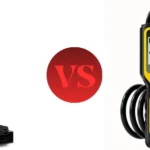
Handheld vs. Bluetooth vs. pro-grade tablets
There is no single style that fits everyone. The best car obd scanner for you depends on how you like to work. Here’s how I break it down in plain terms.
- Handheld readers: Fast and simple. No phone needed. Great for quick codes and emissions checks.
- Bluetooth dongles: Pair with an app. Good for live data, graphing, and extra features. Battery drain can be a concern if left plugged in.
- Pro-grade tablets: Deep data, special functions, modules, and service resets. Higher price, steeper learning curve.
If you want quick answers with near-zero fuss, a handheld like the MOTOPOWER is smart. If you love data and graphs, a good Bluetooth scanner and app combo may be better. If you fix cars daily, a pro tablet unlocks more systems but costs more.
Compatibility and OBD2 protocols: what to know
OBD2 has been standard on gasoline cars in the US since 1996. Diesel light-duty vehicles followed a little later. The best car obd scanner supports OBD2 modes and PIDs used by most brands. Expect support for reading DTCs, freeze frame, and live data on the engine and emissions side.
Basic scanners usually do not read ABS, airbags, or transmissions. Those are often OEM-specific. You need mid-tier or pro tools for them. If you drive a 2008+ car, you almost surely have CAN. Many older models use ISO 9141-2, KWP2000, or J1850. The MOTOPOWER MP69033 covers these. That is why it works across so many makes from 1996 onward.
Price tiers and what you actually get
Under $40: Simple code readers. They read and clear engine codes, show I/M readiness, and often freeze frame. They solve basic needs fast. The MP69033 sits here and does that job well.
$40–$120: Bluetooth tools and better handhelds. Expect richer live data and app features. Some add basic ABS or SRS on select cars. App quality is key here.
$120–$500: Advanced handhelds and entry tablets. More system coverage, service resets, and bi-directional tests on some models. Good for serious DIYers and small shops.
$500+: Pro diagnostics. Wide coverage, frequent updates, advanced tests, coding on some brands. Best for full-time techs and repair businesses.
Real-world uses: how a scanner saves you money
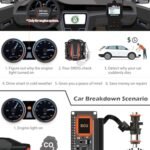
The best car obd scanner pays for itself after one or two uses. I’ve seen owners chase a misfire for weeks. A quick scan shows P0301, tells you it is cylinder 1, and you check the plug and coil. You fix it and move on. No guesswork.
A loose gas cap throws an EVAP code like P0455. You tighten or replace the cap, clear the code, drive, and recheck readiness. That one tool stops a needless shop visit. You also see when monitors reset. You head to inspection when they are ready, not before.
How to use an OBD scanner safely
Follow these tips to avoid damage and get good data.
- Turn the ignition off before plugging in. Seat the connector firmly.
- Turn ignition on, engine off, then read codes. Start the engine if live data is needed.
- Save codes before clearing them. A photo helps if your tool has no save feature.
- Do not clear codes while driving. Park, fix, then clear.
- Never wiggle the connector. It can drop communication or short pins.
Understanding codes and data without stress
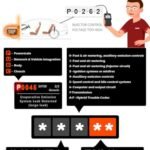
DTCs follow a set format. P for powertrain, B for body, C for chassis, U for network. The first digit tells you if it is generic (0) or manufacturer-specific (1). The next digits point to the subsystem and fault. The best car obd scanner displays clear text with each code.
Example: P0171 means “system too lean, bank 1.” You check for vacuum leaks, dirty MAF, or low fuel pressure. Live data helps you confirm. Short-term and long-term fuel trims tell you how the ECU is correcting. High positive trims mean the engine adds fuel to make up for a lean mix.
Avoid these common scanner mistakes
- Clearing codes before writing them down.
- Blaming a sensor without checking wiring or vacuum leaks.
- Ignoring pending codes; they can show early faults.
- Not checking readiness before an emissions test.
- Leaving a Bluetooth dongle plugged in for weeks and draining the battery.
Who should buy a basic reader vs. an advanced tool
Buy a basic reader if you want fast answers and simple checks. You will read the CEL, confirm a fix, and get through inspection. It is the best car obd scanner type for first-time buyers and busy drivers who value speed.
Get a Bluetooth tool if you love data and want graphs. It shines for learning fuel trims and O2 behavior. Choose a mid-tier or pro tool if you do your own brakes, steering, or airbag repairs. Those tools talk to more systems and run special tests.
Bluetooth apps: data privacy and best practices
Bluetooth scanners use apps that may request phone data. Read permissions carefully. Use known apps with clear privacy policies. Disable cloud backups of trip data if you prefer privacy. Unplug the dongle when not in use.
The best car obd scanner for privacy is often a handheld. There is no pairing or account. Your data stays in your garage, not on a server.
Seasonal checks you can run with your scanner
- Pre-winter: Scan for pending misfires. Cold starts stress weak ignition parts.
- Pre-summer: Check fuel trims and coolant temp to catch cooling issues.
- Before long trips: Clear old codes, drive a few days, and confirm readiness.
- After repairs: Verify no pending codes return. Recheck freeze frame.
Troubleshooting connection issues
If your scanner will not connect, try this quick list.
- Check the car’s cigarette lighter fuse. It often powers the OBD port.
- Turn ignition to ON, not ACC, for a full wake-up.
- Inspect the OBD pins. Bent pins stop communication.
- Try a different car to rule out a bad cable.
- If Bluetooth, forget and re-pair. Update the app.
A sturdy handheld like the MP69033 avoids pairing issues entirely. That is a plus if you scan many cars or work outdoors.
What “readiness monitors” really mean
Monitors are self-tests your car runs to check emissions systems. After a battery disconnect or a code clear, monitors reset to “not ready.” You need to drive a few cycles to set them to “ready.” The best car obd scanner lets you view each monitor with one button press.
Common monitors include catalyst, EVAP, O2 sensors, O2 heater, EGR, and secondary air. Gas and diesel cars have different sets. Understand your state rules. Some states allow one “not ready” for 2001+ cars. Others do not. Always check before inspection.
Do you need ABS/SRS coverage?
For many drivers, engine-only coverage is enough. But ABS and airbags are safety systems. A light for these needs attention. If you see ABS or SRS warnings often, consider a scanner with those systems. It will cost more but saves time and shop fees.
The best car obd scanner for simple needs is the one you will use often. If that’s a basic reader, it can still prevent headaches by catching small issues early.
Environmental note: clean air and clear data
An OBD scanner helps cut emissions. Fixing misfires and EVAP leaks reduces fuel waste. It also stops rich running that can ruin a catalytic converter. Clear data means faster fixes and less pollution. That is a win for your wallet and the air.
Glossary: plain-English terms you’ll see
- CEL/MIL: Check engine light/Malfunction indicator lamp.
- DTC: Diagnostic trouble code, like P0300 or P0420.
- Freeze frame: A snapshot of sensor data when a code sets.
- Fuel trims: ECU adjustments to keep the air-fuel mix right.
- I/M Readiness: Emissions self-test status.
- Mode $06: Test results for individual components.
- Pending code: A fault that needs more drive cycles to confirm.
- Permanent code: A stored code that clears only after the system passes its test.
Safety tips while diagnosing
- Park on a flat surface and set the brake.
- Keep hands clear of belts and fans if the engine runs for live data.
- Use safety glasses when checking under the hood.
- Do not probe OBD pins with metal tools.
- If in doubt, stop and seek a qualified technician.
Why simple tools still win in 2026
Cars keep getting smarter. But basic OBD rules stay the same. A quick reader can decode most check engine lights. You do not need a complex tablet to catch a loose gas cap or a common misfire. The best car obd scanner for most people is the one that gives answers fast without a manual.
Techs own pro tools for deep work. Many still keep a small handheld on the bench. It is fast, sturdy, and always charged. That says a lot.
Buying checklist: five questions to ask yourself
- Do I only need to read the check engine light?
- Do I want live data graphs on my phone?
- Will I scan more than one car brand or model year?
- Do I need ABS, airbag, or transmission coverage?
- Do I prefer no batteries or apps to manage?
Your answers point to the right tool. If you focus on fast CEL checks and emissions prep, a basic reader is enough. That’s where the best car obd scanner for beginners shines.
Maintenance tips for your scanner
- Keep the cable coiled. Do not kink it.
- Wipe the screen with a soft cloth. Avoid harsh cleaners.
- Store it in a dry, cool spot in your glove box or toolbox.
- Update firmware if the maker offers a tool for it.
- Label it with your name if you share garages or classes.
Value analysis: where the money goes
With budget readers, you pay for reliability, a decent screen, and good firmware. The MP69033 delivers these core parts without fluff. That is why it gets steady praise from casual users and students. You buy once and get quick answers for years.
The best car obd scanner at this price will never be a shop-level tool. But it does not pretend to be one. Its job is to get you from question to clue in seconds. It does that well.
When to upgrade later
Consider upgrading if you start chasing deeper issues. If you want graphing for fuel trims and O2 voltages, a Bluetooth tool helps. If you need ABS bleeding or airbag resets, step up to a mid-tier handheld. If you fix cars often, a pro tablet earns its keep.
For now, a basic reader often fills the gap. You can still bring your car to a shop with data in hand. That makes the talk with your mechanic faster and more focused.
Case studies: quick wins I’ve seen
A compact SUV had a rough idle and a flashing light. The scan showed P0302, cylinder 2 misfire. A coil swap moved the fault to another cylinder. A new coil fixed it. The owner avoided a tow and a long wait.
A commuter car failed emissions due to “not ready” monitors. After a battery swap, the owner headed to the test too soon. A quick scan showed EVAP and catalyst not ready. A proper drive cycle set them to ready. The car passed on the next visit. The best car obd scanner saved time and the re-test fee.
FAQs Of best car obd scanner
Will a basic OBD2 reader work on my 1996+ car?
Yes, most basic readers work on 1996 and newer OBD2-compliant cars and light trucks in the US and Canada. Always confirm protocol support if your car is older.
Can a budget scanner read ABS or airbag codes?
Usually not. Budget tools focus on engine and emissions. You need a mid-tier or pro tool for ABS, SRS, and transmission coverage.
Is Bluetooth better than a handheld scanner?
It depends. Bluetooth offers graphs and app features. Handhelds are faster and simpler. The best car obd scanner for you matches how you like to work.
Do I need to update a basic OBD2 reader?
Often no. Many budget readers work out of the box for years. If updates exist, follow the maker’s steps to install them.
Will clearing a code make my car pass emissions?
No. Clearing codes resets monitors to “not ready.” You must drive enough for monitors to set to “ready” before testing.
Final Verdict: Which Should You Buy?
For quick answers, low cost, and zero setup, the MOTOPOWER MP69033 is a standout. It is fast, simple, and covers most 1996+ cars for engine codes and emissions.
If you want the best car obd scanner for basic checks and reliable fixes, start here. Upgrade only if you need deeper system coverage or rich live data.