Some cats shed fewer allergens: Siberian, Balinese, Rex breeds, Sphynx, Oriental Shorthair.
Choosing a cat when you are sensitive is tricky. I help people figure out what type of cats are hypoallergenic by blending science, breed knowledge, and hands-on care tips. In this guide, you will learn which breeds often work better, why no cat is 100 percent allergy free, and how to test your own reaction before you adopt. You will leave clear on what type of cats are hypoallergenic and how to live well with one.
How Cat Allergies Work
Most people react to Fel d 1. It is a protein made in a cat’s saliva and skin. When cats groom, the protein dries on fur and flakes into the air. You breathe it in and get symptoms.
No breed stops making Fel d 1 fully. Some cats may make less. Others may shed less, which helps. That is why we talk about lower risk rather than zero risk.
Research shows intact males often make more allergens than females or neutered males. Bathing can lower surface allergens for a short time. It does not change what a cat produces.
What Type of Cats Are Hypoallergenic: The Shortlist That Matters
If you ask what type of cats are hypoallergenic, these breeds come up again and again. Results vary by person, but this is the common short list.
- Siberian. Some lines seem to produce less Fel d 1.
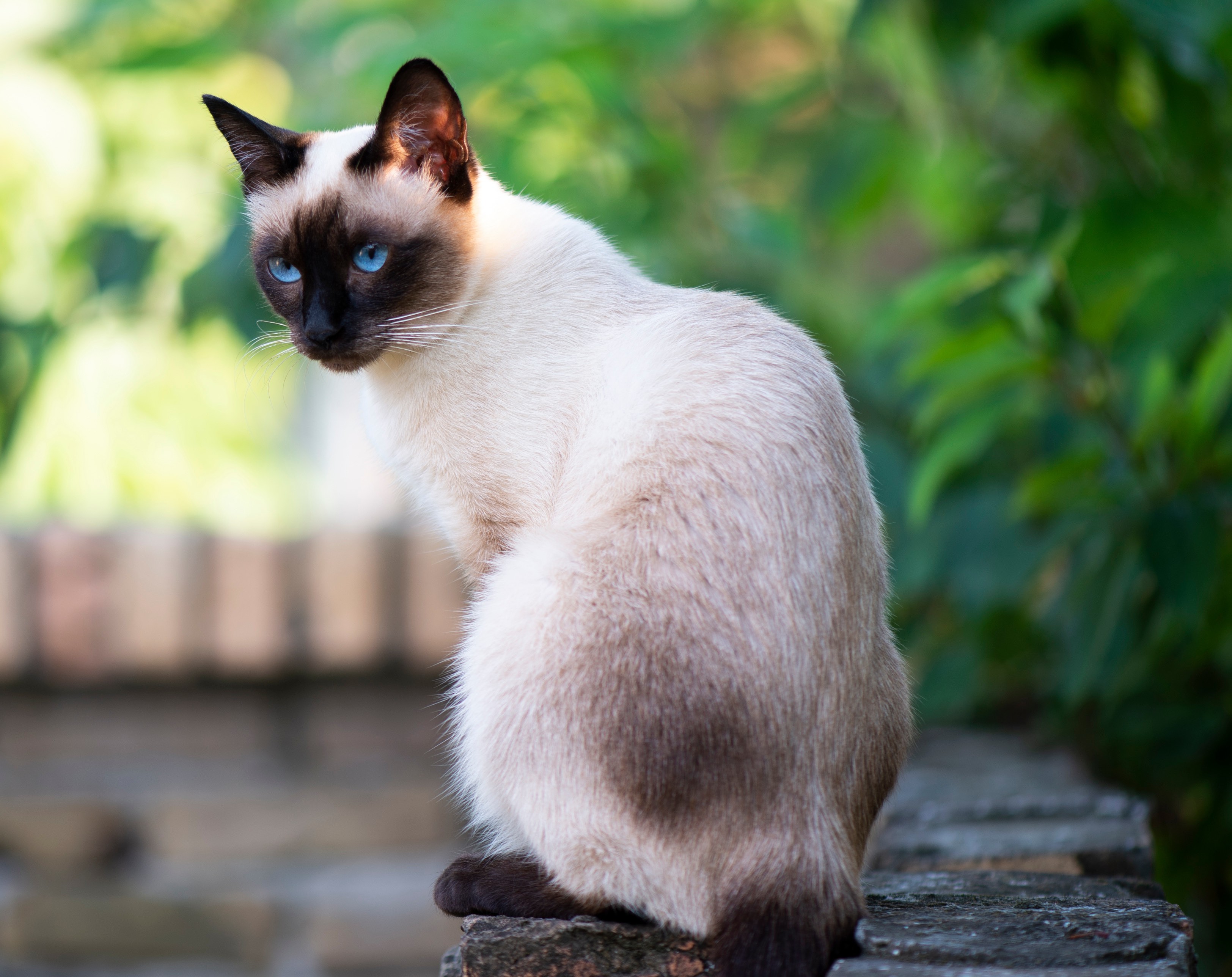
- Balinese. Often called the long haired Siamese. Reported lower reactions in some homes.
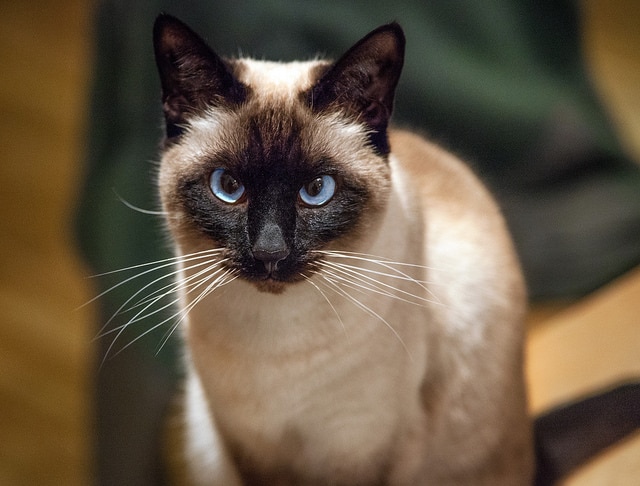
- Javanese and Oriental Shorthair. Close to Siamese lines. Sleek coats help with shedding control.
- Devon Rex and Cornish Rex. Curly coats with low shed, but they still make allergens.
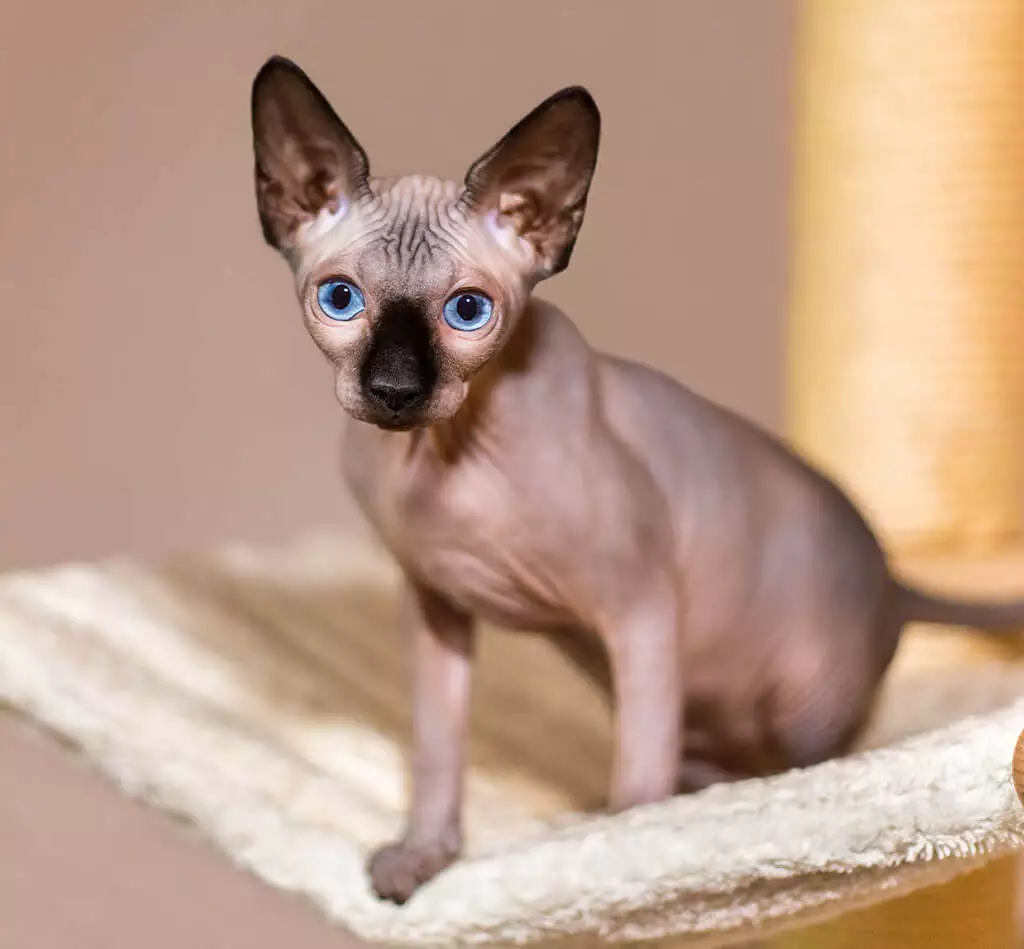
- Sphynx and Peterbald. Little or no hair. Need regular bathing and skin care.
- Russian Blue and Bengal. Many owners report milder symptoms, but proof is mixed.
Keep in mind that each cat is unique. Always test your personal response to a specific cat.
Breed-by-Breed Insights and Caveats
If you still wonder what type of cats are hypoallergenic, this mini guide will help you compare. Use it to start a safe trial.
Siberian
Known for a dense coat and strong build. Some lines test with lower Fel d 1. Many allergy homes report success. Brush often to reduce loose hair.
Balinese
Silky coat, bright voice, social mind. Linked to Siamese lines. Some owners with allergies do well with Balinese. Daily wipe downs help.
Javanese
Athletic and people focused. Fine, single coat that sheds less. Good grooming habits can keep dander down. Reactions can still happen.
Oriental Shorthair
Short, sleek coat and playful nature. Low shed helps home care. Test with the exact cat if you can. Results differ by person.
Devon Rex
Soft, curly coat and big ears. Low shed but needs gentle baths. Some people do great, others still react. Skin care matters.
Cornish Rex
Tight waves and very active. Coat is light, so less hair on furniture. Wipe downs and a gentle bath plan help reduce residue.
Sphynx
Little or no hair but still makes allergens. Oil builds up on skin and needs routine baths. Many sensitive owners manage well with care.
Peterbald
Varied coat from bald to brush. Skin care is key. Try a supervised visit to test your response.
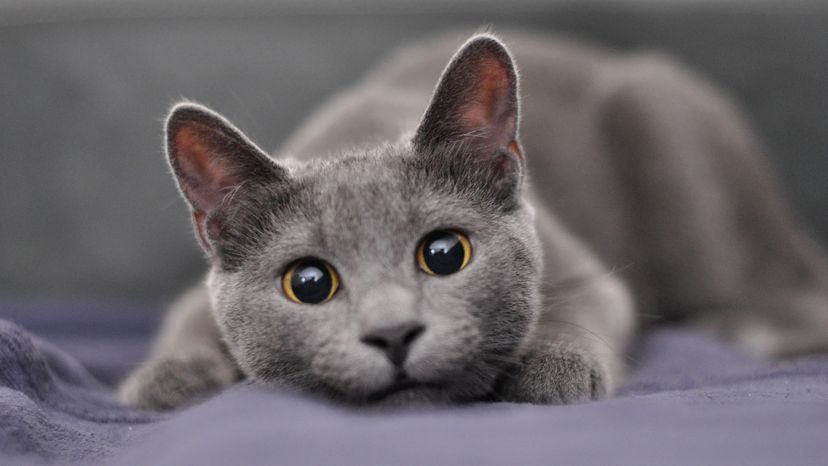
Russian Blue
Dense blue coat with heavy undercoat. Anecdotes say fewer reactions for some. Science is limited. Test, do not assume.
Bengal
Glossy, pelt like coat that sheds less. Very active and curious. Some allergy homes report mild reactions. Clean litter dust often.

Beyond Breed: Factors That Change Your Reaction
When people ask what type of cats are hypoallergenic, I remind them that care and home setup matter. You can cut allergens even with a typical cat. Small steps add up fast.
- Neuter or spay. Intact males tend to produce more allergens.
- Groom smart. Brush and wipe with a damp microfiber cloth.
- Wash soft items. Clean bedding and throws each week.
- Use a HEPA air purifier. Place one near where your cat sleeps.
- Pick low dust litter. Keep the box away from bedrooms.
Add one change at a time. Track your symptoms and adjust.
How To Test Your Reaction Before Adopting
The best way to learn what type of cats are hypoallergenic for you is to test. I share this simple plan with clients. It saves heartbreak.
- Visit the cat several times. Start with one hour, then longer.
- Try the T shirt method. Leave a clean cotton shirt in the cat’s bed overnight. Take it home and wear it for an hour.
- Ask for a weekend foster trial. Many rescues allow short trials.
- Keep your meds and an action plan ready. Note any changes.
Bring your air purifier to the room if you can. Keep hands off your face until you wash.

An Everyday Care Plan for Allergy-Friendly Living
You picked the cat. Now keep allergens low. This is the routine that works in most homes.
- Brush three times a week. Use a soft brush that does not scratch skin.
- Wipe the coat with a damp cloth. Do it after brushing.
- Bathe hairless cats every one to two weeks. Use a mild, vet safe shampoo.
- Vacuum with a HEPA filter twice a week. Focus on soft areas.
- Wash hands after play. Do not touch your eyes or nose.
These habits support any choice about what type of cats are hypoallergenic. Simple beats perfect.
Myths and Mistakes To Avoid
Many people learn the hard way. Skip these traps and you will breathe easier.
- Myth. Hairless cats are allergen free. Fact. Allergens come from skin and saliva, not just fur.
- Myth. One breed is safe for all. Fact. Your immune system is unique.
- Mistake. Skipping a test visit. Always test with the exact cat.
- Mistake. Ignoring cleaning. Dust holds allergens. Clean often.
If someone claims a cat is hypoallergenic for all, be careful. Ask for evidence and plan a trial.
Nutrition, Health, and the Skin–Dander Link
Healthy skin sheds fewer flakes. That helps lower airborne allergens. Food can support skin, but it is not a cure.
- Ask your vet about omega 3s. They can support coat and skin.
- Treat skin issues fast. Itching and flakes raise allergen spread.
- Keep fleas away. Bites cause scratching and flakes.
Food alone will not decide what type of cats are hypoallergenic. It is one part of a full plan.
Cost, Ethics, and Finding the Right Match
Thinking about what type of cats are hypoallergenic also means thinking about sourcing. Be careful and kind.
- Meet breeders or rescues in person. See how cats live and are handled.
- Ask for health tests common in that breed. Check records.
- Plan for higher grooming and air care costs. Budget for filters and supplies.
- Consider adult cats. Their coats and traits are set, so tests are clearer.
Pick with both heart and head. The right match is worth the wait.
Frequently Asked Questions of what type of cats are hypoallergenic
Are hypoallergenic cats real?
No cat is allergy free. Some cats may trigger fewer symptoms, but results vary by person.
Which breeds are most often called hypoallergenic?
Siberian, Balinese, Devon Rex, Cornish Rex, Sphynx, and Oriental Shorthair. Always test with the individual cat.
How do I know what type of cats are hypoallergenic for me?
Do in person visits and try the T shirt method. Track your symptoms over 24 to 48 hours.
Are kittens less allergenic than adults?
Not always. Kittens may seem easier at first due to size and grooming habits, but reactions can rise as they mature.
Will bathing my cat remove allergens?
Bathing reduces surface allergens for a short time. It does not stop your cat from making Fel d 1.
Do air purifiers make a real difference?
Yes, HEPA units capture airborne dander and saliva particles. Place one near the cat’s favorite spot and your bedroom.
Is a Sphynx safer for people with allergies?
Sphynx cats still make allergens. Many owners do well, but regular baths and wipe downs are vital.
Conclusion
You now know what type of cats are hypoallergenic and why the answer is personal. Some breeds tend to work better, but care, testing, and home habits matter just as much. A smart trial and a simple cleaning plan can turn a maybe into a yes.
Pick one step today. Book a test visit, set up a purifier, or try the T shirt method. Ready for deeper help choosing a cat that fits your life and lungs? Subscribe for more guides, or leave a comment with your top question.