Hypoallergenic dogs are breeds that shed less dander and coat, reducing allergies.
If you want to know what kinds of dogs are hypoallergenic, you are in the right place. I work with families who live with allergies and love dogs. In this guide, I explain which breeds help most, what to expect, and how to manage allergens at home. You will get clear steps, expert context, and real tips you can use today.
How dog allergies work
Most dog allergies come from proteins in dander, saliva, and urine. These proteins stick to skin flakes and hair. They float through the air and land on soft items.
When people ask what kinds of dogs are hypoallergenic, they often focus on fur. Hair length is not the whole story. The key is how much dander and saliva end up in your home. Good grooming and cleaning can lower the load a lot.
What makes a dog hypoallergenic (and what does not)
No dog is 100% hypoallergenic. That is a myth. But some breeds shed less hair and dander. They also spit less saliva on coats.
These breeds often have hair that grows like human hair. It traps dander and gets cut, not shed. This helps your home stay cleaner. When you ask what kinds of dogs are hypoallergenic, think less shedding, tight curls, and low drool.
Key traits that help:
- Tight, curly, or wiry coats. These coats hold dander better.
- Single coats. No undercoat means less shedding.
- Low drool. Less saliva on the fur means fewer allergens spread.
Traits that do not guarantee help:
- Short hair alone. Many short-haired breeds shed heavy.
- Tiny size alone. A small dog can still cause big symptoms.
- One “hypoallergenic” parent in a mix. Genes vary in every pup.
What kinds of dogs are hypoallergenic: categories and examples
When people search what kinds of dogs are hypoallergenic, they want a list they can trust. Think in groups. This makes the choice simple.
Single-coat, curly or wiry breeds:
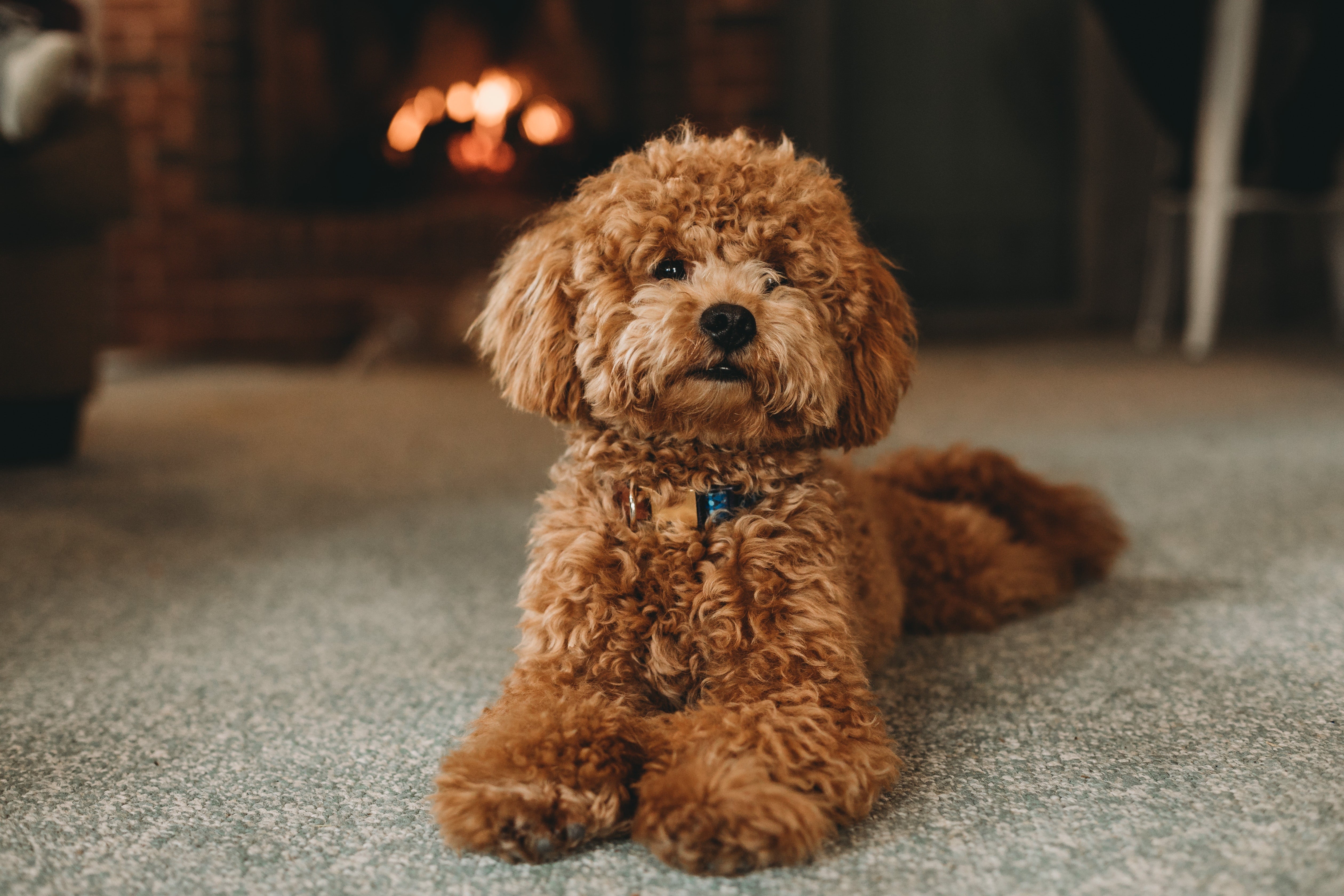
- Poodle (Toy, Miniature, Standard). Classic low-shed coat with tight curls.
- Bichon Frise. Soft curls and bright spirit.
- Portuguese Water Dog. Athletic, curly, and bold.
- Lagotto Romagnolo. Curly truffle dog with a sweet side.
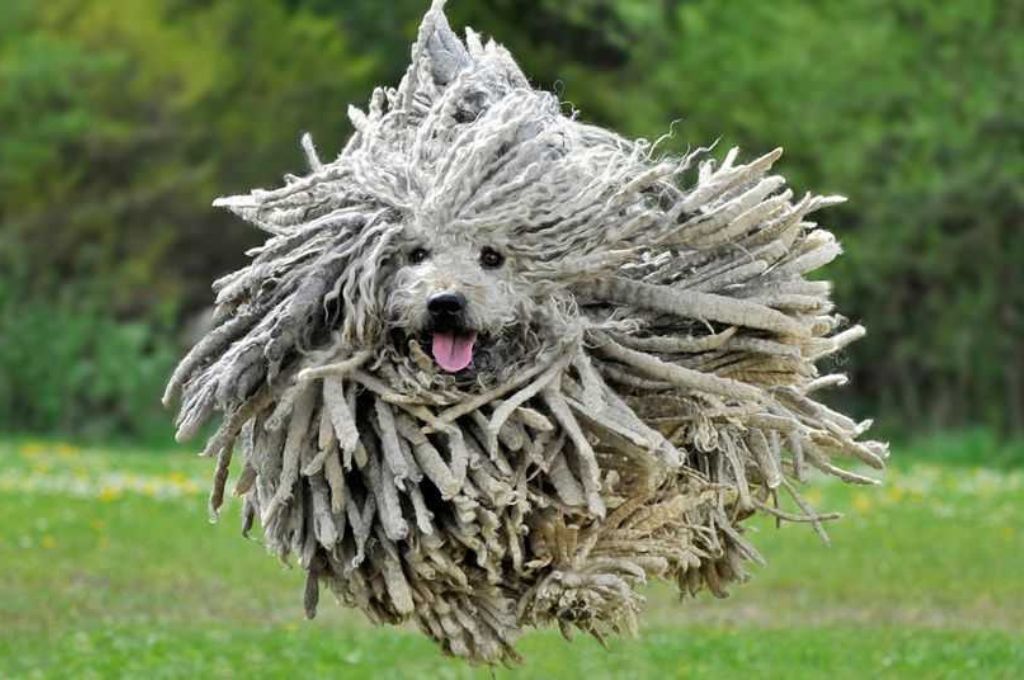
- Irish Water Spaniel. Corded curls, strong swimmer.
- Spanish Water Dog. Curly coat, active mind.
Silky or hair-like coat breeds:
- Maltese. Long, fine hair that needs gentle care.
- Yorkshire Terrier. Silky hair, light shed.
- Shih Tzu. Flowing hair, calm in small spaces.
- Lhasa Apso. Sturdy, with a draping coat.
Wiry terriers with hand-stripped coats:
- Schnauzer (Miniature, Standard, Giant). Smart, bold, and tidy coats.
- Soft Coated Wheaten Terrier. Single coat, soft and wavy.
- Wire Fox Terrier. Fun and sharp, with a rough coat.
- Kerry Blue Terrier. Wavy blue coat, great worker.
- Lakeland, Welsh, and Airedale Terriers. Hardy with wiry coats.
Hairless or near-hairless breeds:
- American Hairless Terrier. Playful, easy to bathe.
- Xoloitzcuintli (Xolo). Calm, can be hairless or coated.
- Chinese Crested (Hairless and Powderpuff). Sweet and quirky.
Low-shed sighthounds:
- Afghan Hound. Flowing coat, low dander when groomed well.
- Basenji. Short coat, low odor, grooms like a cat.
This list covers what kinds of dogs are hypoallergenic across sizes and styles. It also shows how coat type affects allergens.
Best hypoallergenic dog breeds by size
Size matters when you plan your cleanup and space. It also affects grooming time and cost. If you are weighing what kinds of dogs are hypoallergenic, match size to your life.
Small
- Toy Poodle. Bright, eager, easy to train. Weekly brushing.
- Maltese. Gentle, loves laps. Daily coat care if kept long.
- Yorkshire Terrier. Bold in a tiny frame. Needs trims every 6–8 weeks.
- Bichon Frise. Cheerful and fun. Regular brushing and salon care.
Medium
- Miniature Schnauzer. Alert and social. Low shed with hand stripping or clipping.
- Soft Coated Wheaten Terrier. Friendly and bouncy. Daily combing to avoid mats.
- Portuguese Water Dog. Athletic, loves to swim. Needs steady trims.
Large
- Standard Poodle. Graceful and very smart. Coat needs routine care.
- Giant Schnauzer. Strong and loyal. Needs work and training.
- Afghan Hound. Stunning look. High grooming and calm at home.
Each of these fits the broad group of what kinds of dogs are hypoallergenic. But coat care must be consistent.

Doodles and mixed breeds: what to know
Poodle mixes can be lower shed. But not all doodles are the same. One litter can have mixed coats.
If you ask what kinds of dogs are hypoallergenic among doodles, look at the individual dog. Test the coat. Ask about parents and past litters. Curly, single coats tend to be better.
Tips when meeting doodles:
- Ask for coat testing. Brush the dog and see how much hair comes off.
- Spend time in a small room. Track your symptoms for a day.
- Learn the generation labels. F1, F1b, and multigen can mean more curl. It is not a promise.
Choosing the right hypoallergenic dog for your life
Think about energy, time, and grooming budget. This matters as much as the coat. It also shapes how you live with the dog.
If your main question is what kinds of dogs are hypoallergenic, add one more: which one fits my routine? A smaller, calm breed may suit an apartment. A water dog needs exercise and brain work.
Checklist to start:
- Activity. How many walks or play sessions can you give?
- Grooming. Can you brush three times a week? Can you budget for trims?
- Family needs. Are there kids, elders, or other pets?
- Trial contact. Can you foster or do a weekend visit?
- Health. Meet a vet early and plan skin care for the coat.
:strip_icc()/GettyImages-155368806-b067f56589d24c65b61d0ad0b9854e74.jpg)
Home and grooming tips to cut allergens
Good habits matter more than the breed. I have seen this in many homes. The right steps can make a huge change.
If you wonder what kinds of dogs are hypoallergenic, add these steps:
- Bathe every 2–4 weeks. Use a gentle dog shampoo to rinse allergens.
- Brush often. Use a slicker brush and a comb to catch dander.
- Use a HEPA vacuum. Clean rugs, sofas, and dog beds twice a week.
- Run a HEPA air purifier. Keep one in the bedroom and living room.
- Set dog-free zones. Keep the bedroom free if your symptoms are strong.
- Wash hands and face after play. Small step, big payoff.
- Wipe paws after walks. It cuts pollen that can trigger reactions.
These steps can lower allergen levels. Many studies support this routine.
Testing and adoption strategies
Before you adopt, do a test. Meet the exact dog you plan to bring home. Time and contact matter.
Use this plan if you search what kinds of dogs are hypoallergenic and want proof:
- Visit more than once. Spend 30–60 minutes each time.
- Bring a shirt or blanket. Let the dog use it. Then take it home and test your reaction.
- Talk to your allergist. Ask about meds, shots, or nasal sprays.
- Foster-to-adopt. This gives you a safe trial window.
- Be open to seniors. Older dogs shed less with steady care and are often calmer.
This approach helps you avoid a mismatch and heartbreak.
Frequently Asked Questions of what kinds of dogs are hypoallergenic
Are hypoallergenic dogs real?
No dog is 100% hypoallergenic. Some dogs shed less dander and coat, which helps many people.
Which small hypoallergenic dogs are best for apartments?
Bichon Frise, Maltese, and Toy Poodle do well in small spaces. They need regular grooming and short daily walks.
Do hairless dogs stop allergies?
Hairless breeds reduce trapped dander, but allergens can still exist. Skin care and baths are key.
How often should I groom a hypoallergenic dog?
Brush several times a week and bathe every 2–4 weeks. Schedule trims every 6–8 weeks for many breeds.
Are doodles always hypoallergenic?
No. Coat type varies by puppy. Meet the exact dog, test your reaction, and check the coat.
What cleaning tools help most with dog allergies?
Use a HEPA vacuum and HEPA air purifiers. Wash dog bedding weekly and clean soft furniture often.
What kinds of dogs are hypoallergenic if I run daily?
Try Portuguese Water Dog or Standard Poodle. They are active, smart, and enjoy regular exercise.
Conclusion
Many people ask what kinds of dogs are hypoallergenic, and the best answer blends breed and routine. Choose a low-shed breed with the right coat, then build strong grooming and cleaning habits. Test with the exact dog, and set a plan with your vet and allergist.
You can live well with a dog and allergies. Start with one action this week, like a shelter visit or a grooming plan. If this guide helped, share it, subscribe for more care tips, or leave a question so I can help further.