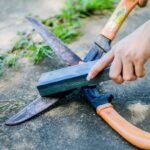
Use household acids, abrasives, and proper seasoning to remove rust from kitchen tools quickly.
I have cleaned dozens of rusted knives, pans, and utensils over many years. In this blog article I will explain how to remove rust from kitchen tools with clear steps, safe materials, and practical tips. You will learn how to identify the metal, pick the right method for light or heavy rust, restore finish, and protect tools from coming back. Read on for reliable, tested techniques that keep tools safe and food-ready.
Why rust forms on kitchen tools
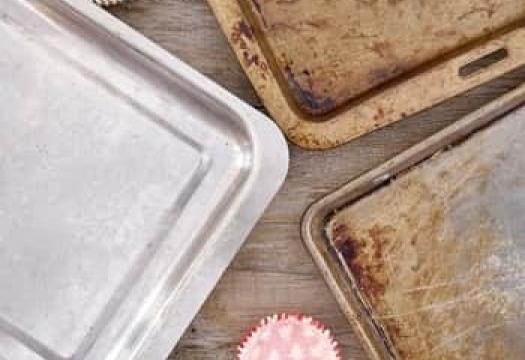
Rust is iron oxide. It forms when iron or carbon steel meets water and oxygen. Many kitchen tools are steel or have steel parts. Water, salt, and acidic foods speed rusting. Poor storage and wet sinks make rust more likely.
Knowing why rust grows helps you prevent it. This article focuses on how to remove rust from kitchen tools and how to stop it from returning. The steps work for knives, forks, peelers, graters, and some cookware.

Assess the metal and the damage
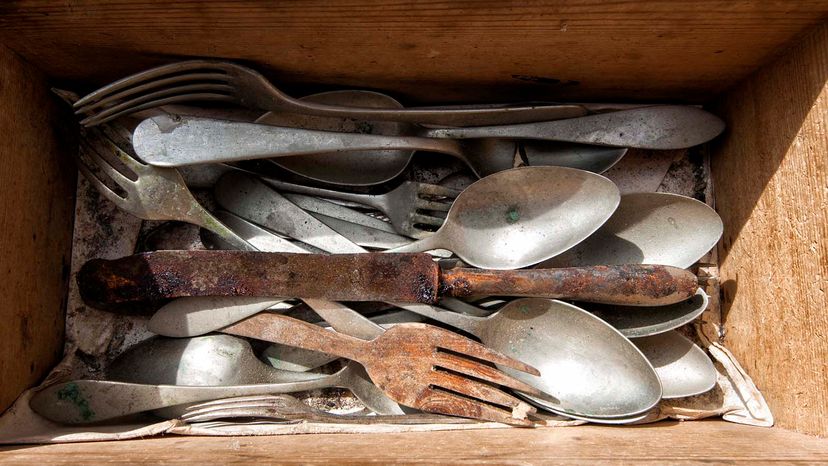
Metal type matters. Stainless steel resists rust but can pit. Carbon steel and cast iron rust faster. Plated or chrome tools may have surface wear. Check for deep pitting, flaking, or structural damage before starting.
Decide if restoration is practical. Light surface rust is fixable. Deep pits or holes mean replacement. This guide covers methods for both light and moderate rust removal.
Safety first: what to avoid
Avoid mixing cleaning chemicals. Never mix bleach with acids. Wear gloves and eye protection when using acids or abrasives. Work in a well-ventilated area.
Do not use harsh abrasives on thin metal or plated finishes. Over-sanding can remove protective layers. When in doubt, test a small area first.

Materials and tools you’ll need
- White vinegar, distilled or plain vinegar for soaking and light rust removal.
- Baking soda for paste cleaning and gentle abrasion.
- Lemon juice and coarse salt for natural scrubbing.
- Cream of tartar as a mild acid abrasive.
- Steel wool (fine grade) and non-scratch scouring pads for scrubbing.
- Brass brush for stainless steel if you need slightly more abrasion.
- Soft cloths, old toothbrushes, and nylon brushes for detail work.
- Protective gloves and eye protection.
- Mineral oil or food-grade oil for finishing and protection.
- Commercial rust remover for heavy or stubborn rust.
- Small container or bucket for soaking small tools.

Step-by-step methods to remove rust from kitchen tools
Below are safe, tested methods for different rust levels. Choose one based on the metal and how much rust you have.
Vinegar soak for light to moderate rust
Soak the tool in white vinegar for 1–8 hours. The acid loosens surface rust. Scrub with a soft brush or fine steel wool, then rinse and dry. Repeat if needed.
Baking soda paste for gentle cleaning
Make a paste of baking soda and water. Apply to the rusty area and let sit 15–30 minutes. Scrub with a toothbrush or non-scratch pad. Rinse, dry, and oil to protect the metal.
Lemon (or lime) and salt for natural abrasion
Sprinkle coarse salt on the rust. Squeeze lemon juice over it. Rub with the lemon rind or a cloth for 2–5 minutes. Rinse, dry, and oil. This doubles as a scent-safe, food-friendly method.
Cream of tartar for mild rust spots
Mix cream of tartar with water into a paste. Apply to rust, let sit 30 minutes, then scrub and rinse. This is gentle and good for plated tools.
Steel wool or abrasive pads for stubborn spots
Use fine-grade steel wool or 0000 wool for steel tools. Rub lightly to remove rust. Avoid aggressive scrubbing on thin metal or decorative plating. Always finish by rinsing and oiling.
Commercial rust remover for heavy rust
Follow the product instructions and safety guidance. Use in a ventilated area. Neutralize and rinse thoroughly after use. These products are effective for severe rust but require caution.
Electrolysis for severely rusted cast iron or tools (advanced)
Electrolysis can remove heavy rust without heavy abrasion. It requires a battery charger, sacrificial steel plate, and a washing soda solution. This is an advanced method and should be done carefully. If you’re unsure, use a professional service.
Special care for cast iron cookware
For cast iron, remove rust with steel wool until the bare metal is clean. Rinse, dry fully, then heat and apply a thin coat of oil to cure a new seasoning layer. Do not use acidic long soaks on cast iron as they strip seasoning.
Finishing, restoring, and protecting your tools
After rust removal, follow these steps to restore and protect the tool.
- Rinse and dry immediately. Moisture is the enemy of metal.
- Apply a thin layer of food-grade oil or mineral oil. This repels moisture.
- For knives, use a honing steel and test sharpness. Re-sharpen if needed.
- For cast iron, re-season on the stovetop or in an oven following a proper seasoning routine.
- Store tools in a dry place. Use magnetic bars or dry drawers with silica packets to reduce moisture.
These finishing steps are critical when learning how to remove rust from kitchen tools and keep them rust-free.
Limitations and when to replace kitchen tools
Rust removal has limits. Deep pits weaken tools. Surface rust on decorative plating may be cosmetic and recur if the plating is thin. If a tool loses structural integrity, buy a replacement.
Be realistic about time and cost. Restoring an heirloom pan can be worth it. Cheap utensils with heavy corrosion are often cheaper to replace.

Personal experience and tips from the field
I once restored a vintage skillet with vinegar soak and electrolysis. The pan looked unusable but came back strong after thorough seasoning. My key lessons:
- Start with the gentlest method first.
- Test a small area before full treatment.
- Dry and oil tools right away; that step prevents repeat rust.
A mistake I made early on was over-sanding a plated tool. It ruined the finish. Now I favor gentle acids and soft scrubbing before moving to steel wool.

Frequently Asked Questions of how to remove rust from kitchen tools
Can I remove rust from stainless steel kitchen tools?
Yes. Mild acids like vinegar or lemon and a soft brush usually remove surface rust. For stubborn marks, use fine steel wool and follow with oil.
Is lemon and salt safe for all utensils?
Lemon and salt are safe for most stainless and carbon steel tools. Avoid long acidic soaks on cast iron or plated metal to prevent damage.
Will baking soda damage my knives?
Baking soda is gentle and won’t damage blades when used as a paste and scrubbed lightly. Rinse and oil blades after cleaning to prevent new rust.
How do I restore a rusted cast iron pan?
Remove rust with steel wool, rinse, fully dry, and then apply a thin layer of oil. Heat the pan to cure seasoning and repeat until a nonstick surface forms.
When should I buy a new tool instead of removing rust?
Replace when rust causes deep pitting, flaking metal, or structural weakness. Also replace when safety or food contact is compromised beyond repair.
Are commercial rust removers safe for kitchenware?
Some are safe when used per instructions and fully rinsed. Choose products labeled for cookware or follow with thorough neutralization and rinsing before food use.
Conclusion
You can restore many tools by choosing the right method and taking safety steps. Start with gentle, food-safe options like vinegar, baking soda, or lemon and salt. Move to stronger tools only if needed and always dry and oil afterward. If a piece is badly pitted or unsafe, replace it.
Take action today: inspect your drawers, pick one rusted tool, and try a gentle method. Share your results or ask a question below to learn more.