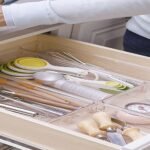
Sort, declutter, zone, and add adjustable inserts to make a functional kitchen tool drawer.
I’ve spent years helping homeowners and busy cooks solve small-kitchen chaos, and I’ll walk you through practical, tested methods for how to organize kitchen tool drawer space so it becomes efficient, tidy, and easy to maintain. This guide combines hands-on tips, layout examples, and real-world lessons so you can transform a messy drawer into a reliable work zone in one session.

Why organize your kitchen tool drawer
An organized kitchen tool drawer saves time, reduces stress, and extends the life of your utensils. When you know where each spatula, peeler, and whisk lives, meal prep flows faster and cleanup is easier.
Thinking about how to organize kitchen tool drawer lets you match storage to the way you cook. That reduces clutter and prevents duplicate purchases. Small changes here yield big daily gains.
Before you start: plan, measure, and assess
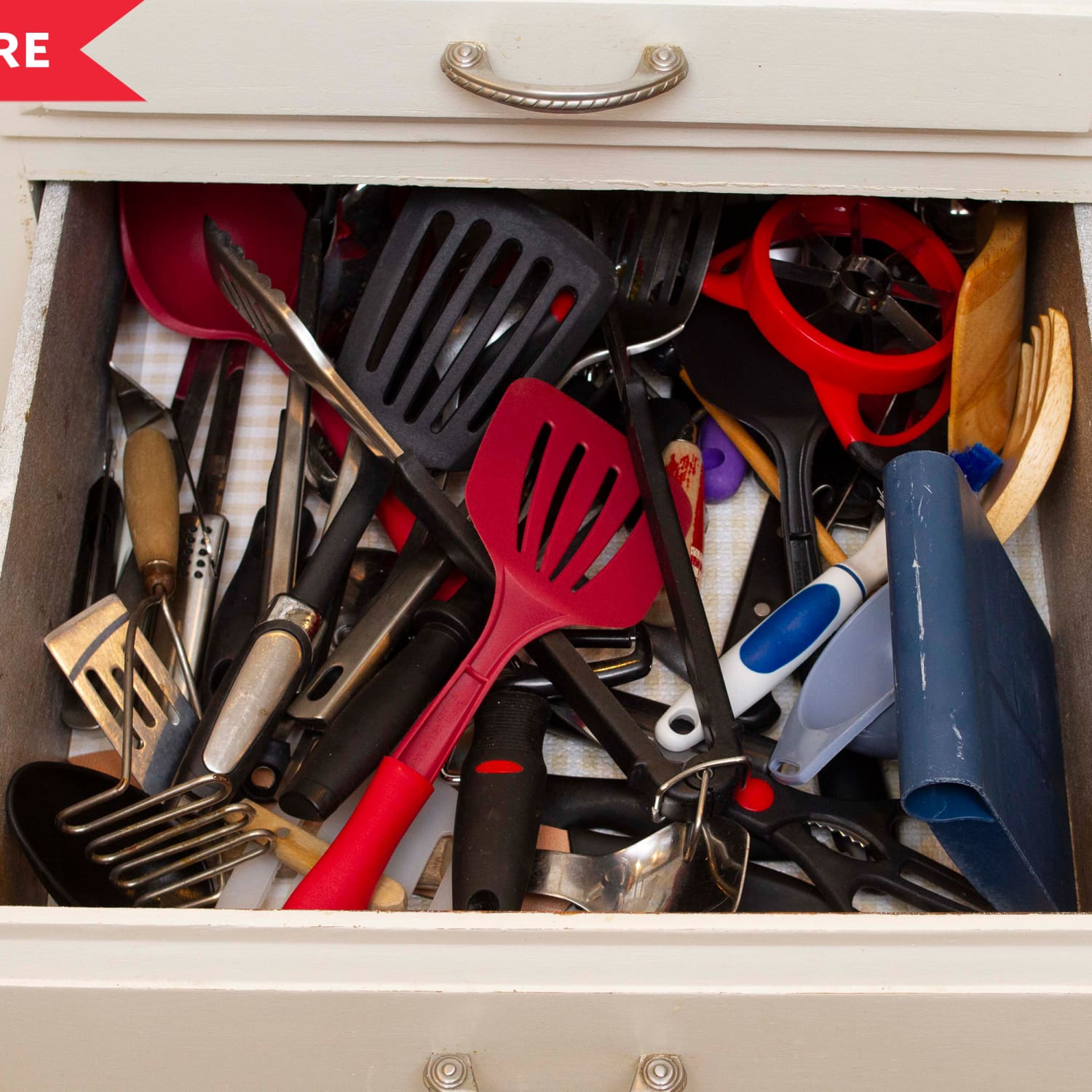
Take everything out and sort by type. Group similar tools and note damaged or duplicate items to discard or donate.
Measure the drawer depth, width, and height. Accurate measurements let you choose organizers that fit and avoid wasted space.
Decide which tools you use daily versus rarely. Place daily tools in the most accessible drawer locations. Less-used items can go in lower drawers or cupboards.
Step-by-step method to organize kitchen tool drawer
- Clear and clean the drawer.
- Remove liners, crumbs, and sticky residues.
- Wipe down with a mild cleaner and let dry.
- Inventory and declutter.
- Keep one item of each essential tool when possible.
- Toss broken tools and set aside duplicates for donation.
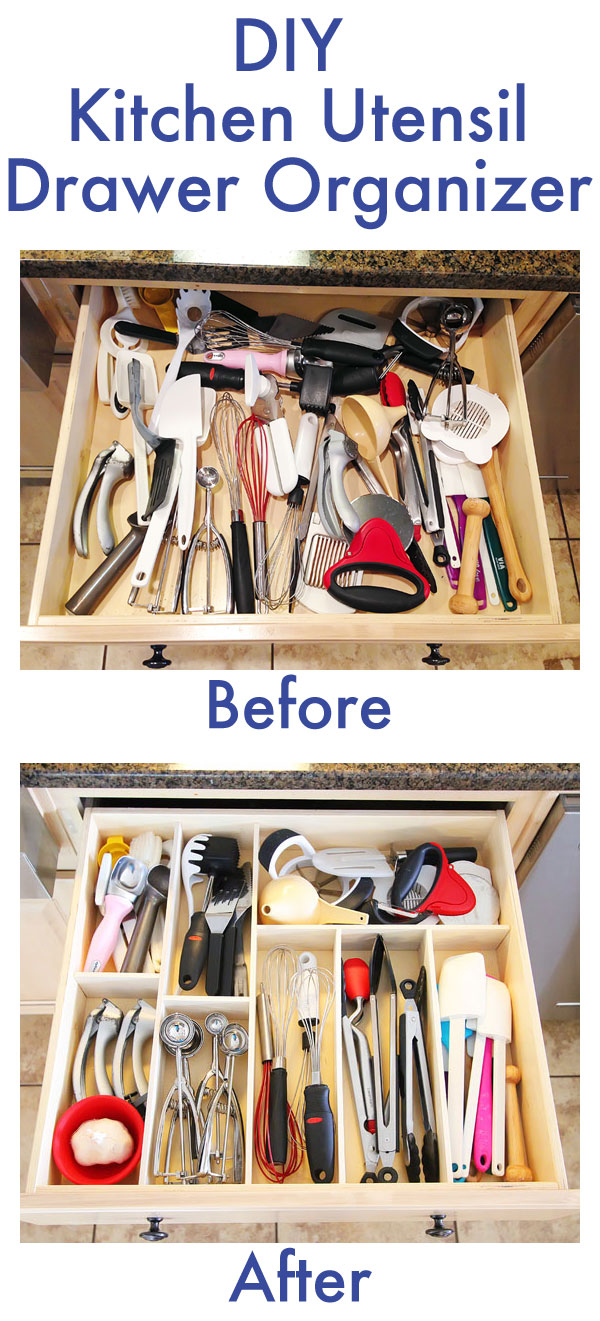
- Create zones by function.
- Cook zone for spatulas, tongs, and turners.
- Prep zone for peelers, parers, measuring spoons.
- Baking zone for whisks, pastry brushes, and rolling pins.
- Choose the right organizers.
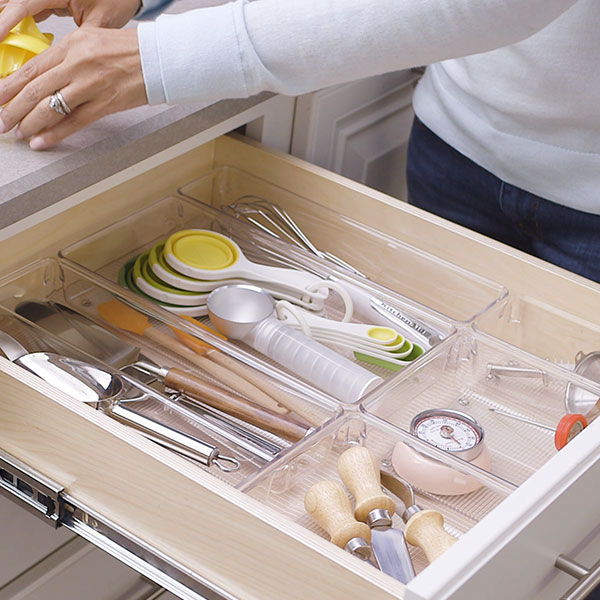
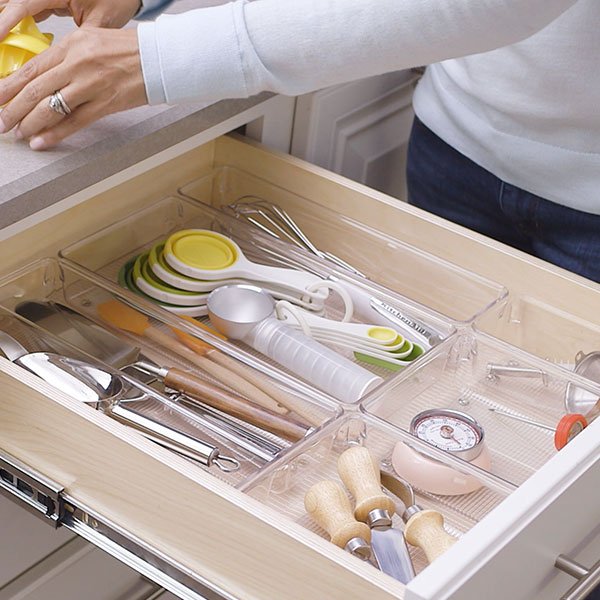
- Use adjustable dividers to create custom compartments.
- Use utensil trays for shallow drawers and vertical inserts for deep drawers.
- Arrange by frequency and orientation.
- Place daily-use items toward the front.
- Lay flat items like spatulas side-by-side; stand smaller tools in dividers.
- Label or visually code if helpful.
- Use subtle labels or colored tape to help family members return items.
- Test and tweak.
- Live with the setup for a week and adjust based on workflow.
When you follow this plan, how to organize kitchen tool drawer becomes a simple project that delivers immediate returns.
Best organizers and materials for kitchen tool drawers
Adjustable drawer dividers
- Flexible for changing tool sets.
- Fit most drawer sizes and are easy to reposition.
Utensil trays and inserts
- Shallow trays fit well in top drawers.
- Plastic or bamboo trays are easy to clean.
Vertical stands and small bins
- Great for deep drawers.
- Stand items like whisks and spatulas upright for quick grab.
Drawer liners and non-slip mats
- Keep tools from sliding.
- Protect wood drawers from stains and scratches.
Magnetic strips and rail systems
– Useful for metal tools if you modify the drawer lid or nearby space.
- Free up floor of drawer for bulky items.
Choose durable, washable materials. In humid kitchens, plastic and stainless options resist mold and odors. Test fit before buying to ensure a snug setup.
Layout examples by drawer type
Small shallow drawer
- Use a single shallow utensil tray with 3–4 compartments.
- Front compartments for daily tools, back for rarely used items.
Wide shallow drawer
- Use two trays and an adjustable divider.
- Group by function across the width for easy scanning.
Deep drawer
- Combine vertical bins with small trays.
- Stand spatulas and tongs upright in one section and lay flat baking tools in another.
Multi-drawer kitchens
- Dedicate one drawer to prep tools and one to cooking tools.
- Keep measuring spoons and cups together in a labeled tray.
These layouts answer common questions about how to organize kitchen tool drawer based on the drawer you actually have.
Maintenance habits to keep drawers tidy
Daily reset
- Spend 30 seconds after each meal replacing tools back to zones.
- Small habits prevent large messes.
Weekly quick check
- Remove crumbs and wipe liners to stop grime buildup.
- Reassess placement for anything that feels awkward.
Quarterly purge
- Donate or discard tools you did not use in three months.
- Replace worn items to keep the drawer functional.
Family buy-in
- Explain the system to household members.
- Use simple labels so everyone knows where things go.
From personal experience, a weekly five-minute reset keeps drawers organized for months. When I worked on clients’ kitchens, a short routine beat big reorganizations every time.
Common mistakes and how to avoid them
Overfilling one drawer
- Avoid cramming; split tools across drawers if needed.
- Overfill reduces visibility and usability.
Buying organizers without measuring
- Measure before purchasing inserts or trays.
- Ill-fitting organizers create wasted space and frustration.
Ignoring workflow
- Place tools where you use them, not where they fit.
- Think about how you move through your kitchen during cooking.
Too many single-use gadgets
- Choose multi-use tools to save space.
- Items used once a year can live elsewhere.
Learning from mistakes I made early on, always test a layout for a week and be willing to move items. That prevents wasted time and money.
People also ask (PAA-style quick questions)
How soon will an organized drawer save me time?
An organized drawer saves minutes every time you cook. You’ll notice reduced prep time the first week you use the new layout.
What is the best organizer for shallow drawers?
A shallow utensil tray with compartments is best for shallow drawers because it keeps items visible and prevents overlap.
Can I store wooden utensils in a drawer?
Yes, but use a liner and avoid damp storage to protect wood. Dry utensils fully before returning them to the drawer.
Source: thesunnysideupblog.com
Frequently Asked Questions of how to organize kitchen tool drawer
How do I decide which tools to keep in the drawer?
Keep tools you use at least monthly and fit the drawer zones. Move specialty or rarely used items to a pantry or cabinet.
What if my drawer is a weird size?
Measure and use adjustable dividers or custom-cut liners. Many brands offer inserts that can be trimmed to size.
Are wooden or plastic organizers better?
Plastic is easy to clean and resists moisture; bamboo looks nicer and is eco-friendly but may need more care. Choose based on your kitchen conditions.
How do I arrange knives safely in a drawer?
Use a knife block insert or a flat magnetic knife tray inside the drawer. Never loose-store sharp knives where they can shift.
How often should I reorganize the drawer?
Do a quick check each week and a full purge every three months. Minor tweaks keep the system useful and current.
Conclusion
Organizing a kitchen tool drawer is a small project with big benefits: faster cooking, less stress, and a neat kitchen. Start by measuring, decluttering, and creating functional zones, then pick durable organizers that match your drawer type. Maintain the system with short daily and weekly habits, and be willing to tweak the layout based on real use.
Take action this weekend: empty one drawer, try the step-by-step plan here, and commit to a weekly reset. If you found these tips helpful, subscribe for more practical kitchen organization guides or leave a comment with your most stubborn drawer problem.