The best nail clippers for cats are sharp, steady, gentle, and safe.
Trimming a cat’s nails can feel scary. A jittery tool or a dull blade turns a quick task into a tug-of-war. Your cat resists. You feel stressed. The right clipper fixes most of this. It cuts clean. It stays quiet. It lets you see the quick. I’ve tested and compared tools used by groomers and vets. Below, you’ll find the best nail clippers for cats, why they work, and how to use them with less drama.
NECOICHI Purrcision Cat Nail Clippers (Japan)

The NECOICHI Purrcision is a scissor-style clipper that feels made for feline nails. The blades are slim and sharp. They make a clean cut without crushing. The compact head gives you a clear look at the quick, which helps avoid nicks. The padded grips sit well in smaller hands and reduce slip.
These blades are crafted in Japan and marketed as 30% thinner than standard blades. In use, they glide through even thick nails. The cut is smooth and quiet, which matters for anxious cats. The size suits kittens and adult cats. The build looks tidy and durable for the price.
Pros:
- Thin, sharp blades reduce split ends and pressure
- Small head improves visibility of the quick
- Quiet cut helps nervous or skittish cats
- Comfort grips feel secure and reduce hand fatigue
- Lightweight and easy to control on tiny claws
Cons:
- Not ideal for very large pets or thick dog nails
- No built-in safety guard for depth control
- Costs more than many generic scissor clippers
My Recommendation
I recommend NECOICHI Purrcision for cat parents who want control and clarity. The slim blades help you see the quick better. That alone makes these one of the best nail clippers for cats if you worry about overcutting. They shine with petite paws, seniors with brittle nails, and skittish cats who hate noise. If you want a smooth, precise trim with less force, pick these.
| Best for | Why |
|---|---|
| First-time trimmers | Small head and thin blades make the quick easy to see |
| Skittish or anxious cats | Quiet, smooth cut reduces startle and resistance |
| Seniors and kittens | Low force, clean cut helps fragile or tiny nails |
gonicc Pet Nail Clippers with Safety Guard
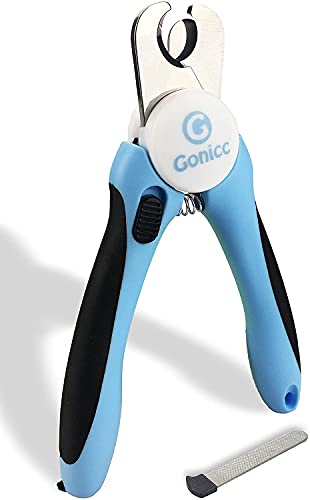
The gonicc clipper is a plier-style tool with a safety guard and a built-in nail file. The handles are large and padded. You get strong leverage with less squeeze. The stainless blades feel sturdy and deliver a crisp cut. The safety stop helps limit how much you trim off in one squeeze.
This design works for cats and smaller dogs, so it’s a good pick for multi-pet homes. The spring action opens the blades for faster trimming. The lock keeps it closed for storage. The included file helps smooth sharp tips if needed, which is handy for cats who scratch furniture.
Pros:
- Safety guard helps prevent deep cuts
- Strong leverage for thick or hard nails
- Built-in file in the handle for finishing touches
- Spring and lock improve speed and storage safety
- Grippy handles fit larger hands well
Cons:
- Head is larger than scissor clippers for tiny paws
- Guard can block your view if not adjusted
- Slightly louder snap may startle shy cats
My Recommendation
I suggest the gonicc for cat parents who want a guard and high leverage. It suits adult cats with thick nails and homes with both cats and small dogs. If you like a bigger handle and a built-in safety stop, this is one of the best nail clippers for cats to learn on. The file is a nice add-on if you want a smooth finish after each trim.
| Best for | Why |
|---|---|
| Multi-pet homes | Works for cats and small dogs with one tool |
| New trimmers | Safety guard limits how much you cut at once |
| Thick nails | High leverage blades cut clean with less effort |
How to Choose the Best Nail Clippers for Cats
Start with the right type. Scissor clippers give you control on small claws. They suit most cats. Plier clippers feel stronger and add safety guards. They fit bigger hands and thicker nails. Guillotine clippers can crush thin feline nails if dull. I avoid them for most cats.
Look at the blade. Hardened steel or Japanese stainless steel keeps an edge. A thin blade reduces crush. It makes a clean slice. That keeps the nail from splitting. Clean cuts heal fast. Your cat feels less stress during and after a trim.
Check the head size. A compact head lets you see the quick. You can angle the clip and take a tiny slice. That helps avoid the pink quick on light nails or the chalky center on dark nails. Good visibility is key on the best nail clippers for cats.
Handle comfort matters. Non-slip, padded grips reduce hand strain. A longer handle gives leverage. If your hands are small, a slim scissor design may feel better. If your hands are large, a plier design may suit you more.
Safety features help. A guard can limit deep cuts. A lock keeps the tool shut in a drawer. A quiet action helps anxious cats. Pick what makes you calm and steady. Your calm helps your cat trust the process.
Durability saves money. Strong pivots and snug screws hold alignment. Loose parts cause ragged cuts. That stresses the nail bed. Look for brands with tight tolerances and clean finishing. These are signs of quality.
Step-by-Step: Trim Your Cat’s Nails Without Stress
Set the mood first. Choose a quiet room. Use a non-slip mat. Have treats ready. Let your cat sniff the tool. Reward calm sniffing. This builds a positive link.
Hold the paw gently. Press the toe pad to extend the nail. Rotate the paw until you see the curve. Aim the blade from side to side, not top to bottom. This reduces split ends.
Trim a tiny slice. Stop long before the quick. On clear nails, the quick looks pink. On dark nails, look for a gray center after the first trim. That means stop. Reward and pause.
Do one paw at a time. Or even one nail at a time on tough days. Keep it short. The best nail clippers for cats make this step smooth. If you trim tiny bits often, your cat learns it is no big deal.
Have styptic powder or gel nearby. Accidents can happen. A dab stops bleeding fast. Do not panic. Speak soft. Give a treat. End the session kindly.
Safety Tips From Groomers and Vets
Trim in good light. A desk lamp helps. You need a clear view of the quick. If your cat fidgets, wrap in a towel like a burrito. Leave one paw free at a time. Keep your voice calm and low.
Cut less than you think. You can always take more later. Deep cuts hurt and bleed. Short, shallow cuts keep nails tidy. They also build trust.
Keep blades clean and sharp. Wipe with alcohol after each session. Dry them well. A clean blade cuts smooth. Dull blades crush and cause splinters. Replace or sharpen when cuts feel rough.
If your cat is in pain, stop. Pain can mean arthritis, injury, or an ingrown nail. Seek a vet visit. Some cats also need mild sedation for trims. That is okay. Comfort comes first.
Common Mistakes to Avoid
- Cutting from top to bottom instead of side to side
- Using dull or rusty tools that crush the nail
- Taking big chunks instead of tiny slices
- Skipping rewards or going too long for one session
- Ignoring lighting and losing sight of the quick
Small changes make a big difference. The best nail clippers for cats help you avoid these errors. Mix that with good timing, light, and treats. Your trim time will feel shorter and kinder.
Are Nail Grinders Better Than Clippers?
Nail grinders can work for some cats. They round tips slowly. They avoid a single “snap.” But many cats dislike the buzz and vibration. Grinders can also heat the nail if you hold them too long. They make dust that some cats hate.
Clippers are fast and quiet. You take a clean slice. It takes seconds per claw with the right tool. For most cats, clippers are the best first pick. The best nail clippers for cats give you speed and control. If your cat fears the snap, try a grinder as a second choice.
How Often Should You Trim Cat Nails?
Most indoor cats need a trim every two to four weeks. Active scratchers may need less. Seniors and indoor-only cats may need more. Watch for clicking on floors, snagged blankets, or curved tips that touch the pad. Those are signs it is time.
Trim tiny bits often instead of one big cut. This keeps the quick short. It also makes sessions quick. Cats accept short habits. Long sessions raise stress. The best nail clippers for cats support this habit with quick, clean cuts.
Maintenance and Hygiene: Clean Your Clippers
Clean your tool after each use. Wipe the blades with alcohol or chlorhexidine. Dry them fully. A tiny drop of clipper oil on the pivot keeps motion smooth. Store them locked and dry. Do not toss them in a damp drawer.
Replace or sharpen dull blades. If you see fraying or hear crunching, the edge is tired. Sharp blades protect the nail bed. They also reduce noise. Good tools last longer when you care for them.
Signs You Need a Different Tool
Your cat flinches at the snap. The head feels too big for tiny paws. The handles strain your hand. You cannot see the quick. The cut looks rough or splintered. These are signs to swap clippers.
Pick a smaller head if you struggle to aim. Choose thin blades for clean cuts. Look for safety guards if you fear cutting too much. The best nail clippers for cats fit your hand and your cat’s size. Fit matters as much as blade quality.
Budget vs. Premium: What Actually Matters
Blade quality and head size matter most. A cheap tool with dull steel is a bad buy. It crushes and scares your cat. A mid-range tool with a sharp, thin blade beats a pricey dull one.
Ergonomics come next. If the handle hurts, you rush and make errors. Safety features help new users. A guard and lock add peace of mind. But you can trim safe without a guard if you cut in tiny slices and keep the quick in sight.
Comparison Snapshot: NECOICHI vs gonicc
- Precision and visibility: NECOICHI wins with a smaller, thinner blade head.
- Safety guard and leverage: gonicc wins with a guard, spring, and big grips.
- Noise and cat comfort: NECOICHI is quieter and gentler on anxious cats.
- Multi-pet utility: gonicc can handle small dog nails as well.
- Beginners: gonicc’s guard helps. Precision seekers: NECOICHI’s thin blade shines.
Both can be the best nail clippers for cats, based on your needs. If your cat is tiny or nervous, pick NECOICHI. If you want a guard and strong leverage, pick gonicc.
Real-World Tips That Make Trims Easier
Clip after playtime. A tired cat rests more. Clip near a window in daylight. Natural light helps you see the quick. Use a treat lick mat with a bit of puree. It keeps the head still while you work.
Touch the paws daily when you are not trimming. Make it normal. Tap the clippers on the table to desensitize to the sound. Reward calm with a tiny treat. Short, sweet sessions build trust fast.
Behavior Clues: What Your Cat Is Telling You
Pinned ears and tail flicks mean stress. Pause. Breathe. Try again later. Purring can be a self-soothing sign, not only joy. Watch the eyes and shoulders. Soft eyes and loose shoulders mean okay to proceed.
If your cat hides at the sight of the clippers, start with counter-conditioning. Bring out the tool daily. Show it. Treat. Put it away. Repeat until your cat relaxes. Then add touch. Then add a single tiny cut. Go slow to go fast.
Troubleshooting: When Nails Splinter or Fray
Splintering means dull blades or wrong angle. Replace or sharpen your tool. Cut side to side across the curve, not straight down. Take tiny slices. If nails are brittle, add humidity to the room or try after a bath so the nails are less dry.
Ask your vet if you see peeling, deformities, swelling, or pain. Fungal issues, trauma, or diet gaps can affect nails. Fix the root cause and use one of the best nail clippers for cats to protect the nail bed during recovery.
Travel and Emergency Kits
Keep a compact scissor clipper, styptic powder, and a few treats in a pouch. Add alcohol wipes and a small towel. If a snag happens on a trip, you can help fast. A tiny kit reduces panic and pain for both of you.
Training Timeline: A Simple 7-Day Plan
Day 1: Show the clippers. Treat. Put away.
Day 2: Touch the paw. Treat. No cutting.
Day 3: Extend a nail. Touch with the clipper tip. Treat.
Day 4: Clip a tiny slice of one nail. Treat big.
Day 5: Two nails. Treat.
Day 6: Two more nails. Stop if stress rises.
Day 7: Finish the remaining nails. Keep it calm.
This plan often works. If not, slow it down. The best nail clippers for cats help because they make each tiny step smooth and fast.
FAQs Of best nail clippers for cats
How do I avoid cutting the quick?
Use bright light. Trim tiny slices from the tip. Stop when you see pink on clear nails or a gray dot on dark nails. When unsure, stop and try again in a week.
Which clipper style is safest for cats?
Scissor-style clippers with thin blades are the safest for most cats. They offer the best view and clean cuts. Plier-style with a guard also helps beginners.
How often should I replace cat nail clippers?
Replace when cuts feel rough or nails splinter. With care, a quality clipper can last years. Clean and dry them after each use to extend life.
Are nail grinders good for cats?
They can help, but many cats dislike the noise and vibration. Start with clippers. If your cat fears the snap, try a low-noise grinder and go slow.
What should I do if I cut too far and it bleeds?
Stay calm. Press styptic powder or gel on the tip. Hold gentle pressure for a minute. Give a treat and stop for the day.
Final Verdict: Which Should You Buy?
Pick NECOICHI if you value precision, a quiet cut, and a small blade head. It is ideal for anxious cats and tiny paws. It is one of the best nail clippers for cats for clean, stress-free trims.
Pick gonicc if you want a safety guard, big grips, and strong leverage. It suits thicker nails and multi-pet homes. Both are the best nail clippers for cats depending on your hand, your cat, and your comfort.
Why My Picks Work in Daily Life
I look for tools that lower stress and boost control. In my hands, slim blades and a clear view stop most mistakes. Cats pick up on your calm and your ease with the tool. The best nail clippers for cats help you feel sure. That is why I test for the feel and not just the spec sheet.
I also focus on sound. Loud snaps startle. Thin blades cut quiet. A quiet trim reduces flinching and swats. That leads to faster sessions and less drama. Over time, nails stay short and healthy. Your sofa stays safe. Your bond gets better.
A Simple Buying Checklist
- Thin, sharp stainless blades
- Small head for a clear quick view
- Comfortable, non-slip grips
- Quiet action and smooth hinge
- Safety guard and lock if you prefer them
Tick these boxes and you will likely pick one of the best nail clippers for cats for your home. If you still feel unsure, start with a small scissor clipper. Then test a plier clipper with a guard. Pick what keeps your hand steady and your cat calm.
When to See a Professional
If your cat fights hard, hides, or bites, book a groomer or vet tech. They can trim fast and safely. Ask them to show you how to hold the paw and angle the blade. Practice at home with short sessions. Use the best nail clippers for cats that match your hand and your pace.
If nails curl into pads, call your vet. That hurts and can infect. A pro visit is the kindest path. After that, keep a gentle schedule to prevent regrowth problems.
Final Tips for Lasting Success
Pair every trim with a treat or a short play. Make the clip a cue for fun. Use calm breathing and soft talk. Stop before stress spikes. You keep the trust that way.
Keep your clippers clean and easy to reach. Trim a little, often. Use tools that fit your hand. If a tool feels wrong, switch. The best nail clippers for cats are the ones you can use with ease, every time.