DJI Osmo Action 4 is the best low light action cam for most creators.
You want great footage after sunset. City rides. Campfire stories. Cozy rooms. Most action cams fall apart when light drops. Grain creeps in. Colors turn gray. Motion looks muddy. I have chased clean night clips for years. The good news is simple. With the right sensor, lens, and color profile, your night scenes can pop. In this guide, I break down the best low light action cam options, what really matters in dim light, and how to set them up so your footage looks sharp, rich, and stable.

TOP PICK
DJI Osmo Action 4 Essential
The Essential Combo includes DJI Osmo Action 4, 1 battery, 1 Quick-Release Adapter Mount, and more accessories, making it a great introductory choice for first-time action camera users looking to…
BEST QUALITY
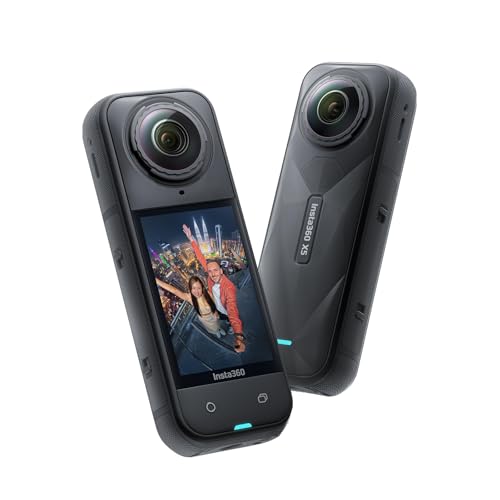
Insta360 X5 – Waterproof 8K
8K30fps 360° Video with Dual 1/1.28″ Sensors: Capture stunning detail with dual 1/1.28″ sensors shooting up to 8K30fps. Film epic adventures, everyday moments, and more, all in sharp, immersive 360°…
DJI Osmo Action 4 Essential Combo (4K/120, Low-Light)
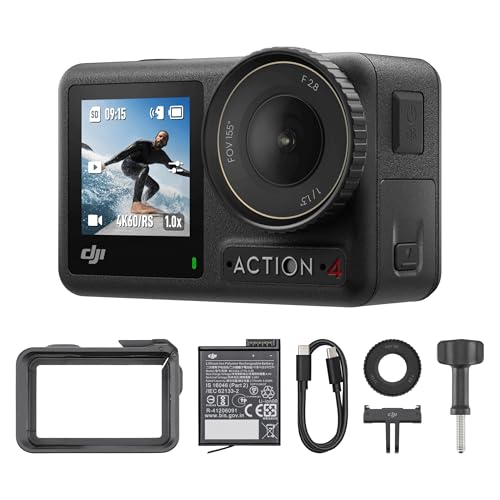
The DJI Osmo Action 4 is a standout when light runs low. The 1/1.3-inch sensor is large for an action cam. It pulls in more light, which means cleaner shadows and smoother color. You also get 10-bit color and D-Log M. This gives you more range to grade night clips without banding or crushed blacks.
The camera shoots up to 4K/120 fps for slow motion. It is waterproof to 18 meters without a case, which is ideal for rain or surf at dusk. Stabilization is rock steady with RockSteady and HorizonSteady. I have pushed it on night bikes and dim gyms. It stayed sharp and stable with a natural look.
Pros:
- Big 1/1.3-inch sensor grabs more light for cleaner night video
- 10-bit and D-Log M for flexible color grades in low light
- RockSteady/HorizonSteady keep dark scenes smooth and level
- 4K/120 fps gives clean slow motion even after sunset
- Waterproof to 18 m with great build and simple menus
- Strong battery life rated up to 160 minutes in ideal modes
- Good audio with wind noise control for city nights
Cons:
- 4K/120 in very dark scenes can show noise if ISO runs high
- No built-in 360 filming for “invisible stick” effects
- Color needs grading to get the most from D-Log M
My Recommendation
If you want the best low light action cam for daily use, pick the Action 4. It wins for simple setup, consistent color, and strong stabilization at night. The sensor and 10-bit profile give you clean files that grade well. It is a safe choice for riders, vloggers, and travel clips at dusk.
Choose it if you shoot a lot of dim street scenes. Use it if you want slow motion after sunset. It is also great if you want a rugged body with true waterproofing and no case. In short, this is the best low light action cam for most creators who want stable, rich footage with less fuss.
| Best for | Why |
|---|---|
| Night street rides | Big sensor, steady EIS, and clean 4K detail |
| Travel vlogs at dusk | 10-bit color and D-Log M give rich tones and range |
| All-weather action | Waterproof to 18 m and tough build |
Insta360 X5 8K 360 Action Cam (Low Light, 3h Battery)

The Insta360 X5 adds a new twist to low-light action. It shoots 8K 360 video, which means you can reframe any angle later. You also get the “invisible selfie stick” look for smooth, drone-like paths at night. In low light, the X5 aims for cleaner detail with a leading sensor setup and smart processing.
The body is rugged with replaceable lenses. That is a big plus if you film rough rides in the dark. A 3-hour battery spec helps long sessions. It also has a built-in wind guard and strong stabilization. The triple AI chip design boosts denoise and motion detail after sunset.
Pros:
- 8K 360 capture lets you reframe any angle in post
- Leading low-light design with smart noise handling
- Invisible selfie stick effect looks like a floating camera
- 3-hour battery spec supports long night shoots
- Replaceable lens parts add durability for hard rides
- Strong stabilization and wind control for clear audio
- Great creative tools via Insta360 app and desktop
Cons:
- Workflow is heavier due to 360 files and reframing
- 8K 360 can stress older phones or laptops
- Not as pocket-simple as a standard single-lens cam
My Recommendation
Pick the Insta360 X5 if you want creative night shots with freedom to reframe. It shines for group rides, night hikes, and urban B-roll. The 8K 360 capture, long battery, and rugged build make it a flexible tool. It is a great choice if you want the best low light action cam for creative 360 moves.
Choose it to get the invisible selfie stick effect in dim light. Use it when you need a safe shot from many angles in one pass. The low-light gains and smart chips give clean results. If you love reframing, this is the best low light action cam for your style.
| Best for | Why |
|---|---|
| Creative 360 night moves | 8K 360 and invisible stick for unique angles |
| Long sessions | 3-hour battery spec supports extended shoots |
| Rugged use | Replaceable lens parts and strong build |
How I test low light action cams in 2026
Low light is tricky. I keep my test simple and real. I shoot dusk streets, indoor gyms, and moody rooms. I test cars, bikes, and walking shots. I look for clean detail and true color in the dark.
I test with 24, 30, 60, and 120 fps. I lock shutter when I can. ISO runs in fixed and auto modes. I try D-Log profiles and standard color for a fair look. I judge noise, motion blur, and color cast.
I also record audio with wind and traffic. I check the app and desktop tools for denoise and reframing. I check battery drain in the cold at night. I test each camera’s menu and quick controls. A best low light action cam must be easy to use.
I also compare files in edit. I grade 10-bit clips and standard ones. I watch for banding in the sky and crushed blacks. Dynamic range and color depth matter at night. This is how I pick the best low light action cam for real life.
What makes the best low light action cam
Sensor size matters. A 1/1.3-inch sensor is strong in this class. It takes in more light per pixel. That means less noise and more detail in shadows.
Lens aperture helps. A fast lens lets in more light. But lens quality and processing also count. A good lens keeps corners sharp and flares under control.
Color depth and log profiles help grade dark scenes. 10-bit files hold more steps of color. A log curve like D-Log M preserves highlights and shadow detail. This gives you room to push your grade.
Stabilization is key at night. Shaky footage looks worse in dark scenes. A best low light action cam must keep the frame smooth. Good EIS like RockSteady or 360 stabilization makes a big difference.
Bitrate and codec matter too. Higher bitrates keep texture and color clean. Modern codecs hold detail with less noise. They help keep the look natural when light is low.
Settings that work at night
Start with 24 or 30 fps for more light per frame. Lock shutter to 1/48 or 1/60 if the camera allows. This keeps motion blur natural and helps ISO stay lower. Lower ISO means cleaner video.
Use a fixed white balance. Pick a value near the lights around you. City lights skew warm. A fixed white balance will keep skin and street colors steady. Auto can wander and cause shifts as you move.
If you have 10-bit log, use it. Expose to protect highlights. Bright signs and windows can clip fast. In post, lift shadows and add a touch of noise reduction. Keep it light to preserve detail.
For action, test 60 or 120 fps. Expect more noise at high frame rates. If the camera supports smart denoise, turn it on but keep it low. A best low light action cam should hold detail, not smear it.
Accessories that help at night
A small LED light can save a shot. Mount it on the helmet or bar. Use a soft diffuser to avoid harsh hotspots. Even a little fill brings faces to life after dark.
A good mic with a wind screen is a must. Night rides can be windy. Traffic adds rumble. A foam or deadcat cover will help a lot. Many action cams support easy mic adapters.
Carry extra batteries. Cold nights drain cells fast. A warm pocket keeps spares ready. A power bank works well if you shoot long timelapses.
For 360 cameras, keep lenses clean and covered. Night flare shows up fast. A simple wipe cloth and a lens guard go a long way. It keeps your best low light action cam ready.
Common mistakes in low light
Do not leave ISO on full auto if it climbs too high. Cap it at a clean value if your camera allows. Better to accept a darker image than a noisy mess. You can lift shadows later.
Do not chase 120 fps in the dark without reason. Frame rate eats light. If you need slow motion, find a brighter area. Or use a touch of motion blur to hide noise.
Do not rely on auto white balance at night. Lights shift color with every block. Lock it. This keeps your edit fast and your skin tones true.
Do not stand under harsh spotlights. Move to even light. A big soft source, even from a store window, beats a small bright one. Small lights cause hard shadows and clipped highlights.
DJI Osmo Action 4 vs Insta360 X5: Which is the best low light action cam for you?
Pick the Action 4 if you want a classic, single-lens camera that just works. It is small, easy, and gives clean files. Color grades well, and stabilization looks natural. It is the best low light action cam for most daily shoots.
Pick the X5 if you want creative control in post. 8K 360 lets you frame any angle later. It is great for group rides or one-take shoots. It needs more work in edit. But the creative pay-off is huge at night.
Both handle wind and motion well. Both can shoot at higher frame rates. The Action 4 keeps things simple with strong low-light files. The X5 adds range with 360 capture and a long battery. Your choice depends on how you shoot and how much time you want to spend in post.
Low-light samples and scenarios I rely on
City ride at blue hour: This pushes detail, motion, and mixed light. The Action 4 stays clean at moderate ISO with smooth motion. The X5 reframes turns and intersections with ease. Both produce stable, sharp clips.
Indoor gym or bouldering hall: Light can be odd and contrasty. The Action 4 handles skin tones well with 10-bit. The X5 captures wide context and lets me crop in later. Audio stays clear with wind guards and the right levels.
Campfire and star fields: This is tough. I keep frame rates low and ISO controlled. The Action 4 holds color near the fire and keeps noise down. The X5 records the whole scene. I reframe to highlight faces, then the sky. This is where a best low light action cam feels like magic.
Care and maintenance tips for night shooters
Clean your lenses before every shoot. Dust and oil glow under street lights. Use a microfiber cloth and a blower. Keep a small kit in your bag.
Update firmware. Many low-light gains come from smarter processing. Brands improve denoise, stabilization, and color. Set a reminder to check updates each month.
Back up while you charge. Night shoots can run long. Offload cards to a phone or drive as you rest. Label clips by location. This keeps your edit fast and safe.
Cost and value in 2026
Prices shift, but value stays clear. The Action 4 gives strong low-light results in a simple body. You get great color and reliable EIS. It is a top pick if you want the best low light action cam without 360 workflow.
The Insta360 X5 costs more, but it unlocks 8K 360. That saves missed shots. You can fix framing in post and keep smooth lines at night. If your work needs angles you cannot plan, the X5 earns its place.
Who should buy which?
If you film rides, runs, and travel vlogs, the Action 4 makes sense. It shoots clean night video with little fuss. It fits a simple rig. It is my daily go-to for dim streets and cozy rooms.
If you film groups, events, or one-take action, go X5. It is the best low light action cam for creators who want to reframe later. You will spend more time in edit. You will also save shots you never could have planned.
Editing tips to make night footage shine
Use gentle noise reduction. Push it too far and faces smear. Keep detail in hair and fabric. Then add a small amount of sharpening if needed.
Lift shadows with care. Watch skin tones and midtones. Add contrast with a soft S-curve. Keep highlights safe, especially near signs and headlights.
Balance color by eye. Night color is a mood. Do not chase white. Find a look that fits the scene. A warm bias often feels right on streets. A cooler bias works for sleek city shots.
Export with high bitrate. Night footage needs it. This preserves detail and avoids banding. A best low light action cam helps, but a good export keeps the look you worked for.
FAQs Of best low light action cam
What specs matter most for low light?
Sensor size, lens quality, color depth, and stabilization. A large sensor and 10-bit color help a lot at night.
Is 4K/120 good in the dark?
It can be, but it needs more light. Use it in brighter night scenes or accept more noise.
Should I use log profiles at night?
Yes, if you grade. Log preserves shadow detail and protects highlights under bright signs.
How do I reduce noise in-camera?
Use lower frame rates, lock shutter, cap ISO, and use a fixed white balance. Stabilization also helps.
Do I need a 360 camera for night?
No, but 360 helps reframe and save shots. It is great for complex scenes and group rides.
Final Verdict: Which Should You Buy?
The DJI Osmo Action 4 is the best low light action cam for most people. It is simple, stable, and great in dim light.
The Insta360 X5 is ideal if you want 8K 360 freedom at night. Choose the one that fits your workflow and style.