Top choice: LEVOIT Core300-P is the best air purifier for allergies and asthma.
You wake up with a stuffy nose and itchy eyes. The dog shed all night. Pollen counts are high. Your chest feels tight and you fear another wheeze by evening. If that sounds familiar, you are not alone. The right purifier can change your day. It clears the air while you sleep, cuts dust that triggers sneezes, and tames pet dander. In this guide, I share real-world picks, simple tips, and must-know facts. If you want the best air purifier for allergies and asthma that actually works in daily life, you are in the right place.
LEVOIT Core300-P Air Purifier (AHAM Verified)

The LEVOIT Core300-P is a compact HEPA purifier designed for bedrooms and small living rooms. It uses a three-stage filter system that targets dust, pet dander, and pollen. The motor is efficient and the airflow is smooth, which helps with steady circulation. I like it most for people who want quick relief without a big, noisy unit.
In daily use, the Core300-P shines because it is simple. The touch panel is clear and the sleep mode is very quiet. It is AHAM Verified, which is a trust mark for performance. For the money, it gives a strong punch and makes sense for allergy season and pet-heavy homes.
Pros:
- True HEPA-grade filtration that traps fine allergens
- Quiet night mode for light sleepers
- Compact size fits tight spaces and nightstands
- Simple controls and easy filter changes
- Good value for allergy relief on a budget
Cons:
- Best for small to mid-size rooms only
- No built-in air quality sensor on some variants
- Filter costs add up if you run it 24/7
My Recommendation
If you want the best air purifier for allergies and asthma for a bedroom or home office, this is a strong pick. It runs quiet, cleans well, and keeps dust down through the night. I suggest placing it near the bed or door for better capture. Pair it with allergen-safe bedding to boost results.
For spring pollen, pet dander, and daily dust, it hits above its size. If smoke or heavy odors are a big issue, check the carbon filter option. The overall value is hard to beat if you want simple and steady control over triggers.
| Best for | Why |
|---|---|
| Bedrooms and nurseries | Very quiet sleep mode and small footprint |
| Pet owners | HEPA captures dander and hair; optional carbon for odors |
| Seasonal allergies | Steady pollen reduction when run 24/7 |
Afloia Air Purifier Large Room, Quiet 22 dB
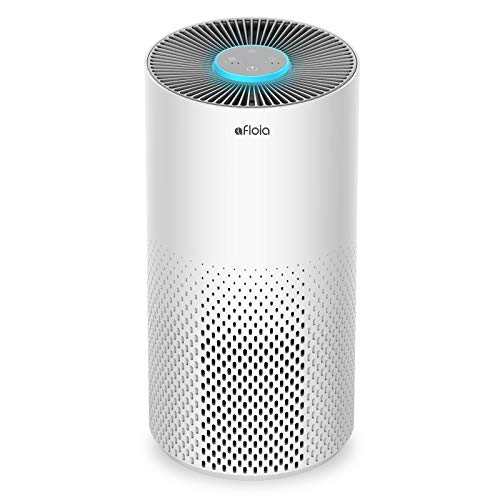
The Afloia is built for larger rooms and open layouts. It uses a three-stage filter to target pollen, mold spores, and pet debris. The 22 dB claim in quiet mode is ideal for living rooms and playrooms. It also has a gentle night light with seven colors to fit family spaces.
I like this model for homes that need wider coverage and low sound. It can run all day without being a distraction. That is key when you have kids and pets moving around. If your triggers are spread across the house, this is a good workhorse to run in the main area.
Pros:
- Large-room coverage for open floor plans
- Very quiet low setting at night
- Three-stage filter handles pollen and mold spores
- Family-friendly design with soft night light
- Simple setup and filter access
Cons:
- No advanced app or smart automation on some versions
- Replacement filters can be pricier due to size
- Color light may not suit dark-sleep users (can be turned off)
My Recommendation
Choose the Afloia if you need the best air purifier for allergies and asthma in a big living room or shared space. It spreads clean air well without lots of noise. If you live with pets or kids, that smooth airflow helps control daily dust and pollen tracked in from outside.
It is a smart option for families with mixed triggers and large rooms to cover. If you want advanced sensors or app control, that is a trade-off. But the core job—clean air for sensitive lungs—is where it shines in real life.
| Best for | Why |
|---|---|
| Open living rooms | Wider coverage without loud fan noise |
| Families with pets | Captures hair, dander, and tracked-in pollen |
| Mold-prone areas | HEPA stage targets mold spores in damp seasons |
How to choose the best air purifier for allergies and asthma
Buying the best air purifier for allergies and asthma should be simple. You want fast relief, low noise, and easy upkeep. Here is the clear path. I keep jargon light and focus on what matters at home.
Use this to pick once and breathe easier. You can always add a second unit later if you need more coverage. Start with the room you spend the most time in. That is often where you will feel the biggest gain.
Focus on true HEPA filtration
Look for a true HEPA-grade filter. It captures very small particles like pollen, dust mite waste, and pet dander. Those are the triggers that set off sneezes and wheeze. HEPA is the heart of the best air purifier for allergies and asthma.
Skip vague “HEPA-like” or ion-only models. You want mechanical filtration. HEPA does the heavy lifting hour after hour without ozone. That is safer and more consistent for sensitive lungs.
Size it right with ACH and CADR
ACH stands for Air Changes per Hour. For allergies and asthma, aim for 4 to 5 ACH in the room you care about. That means the air cycles every 12 to 15 minutes. It makes a big difference in pollen season.
CADR rates airflow and dust/pollen removal. Higher CADR means faster clean air. Match CADR to your room size. It is key when you choose the best air purifier for allergies and asthma for large rooms.
Noise matters more than you think
If the unit is loud, you will not run it. If you do not run it, it cannot help. Look for 20–30 dB in sleep mode and around 50 dB or less on medium. That keeps peace at night and allows all-day use.
Afloia’s quiet mode is great for family TV time. The LEVOIT Core300-P is strong and calm for bedrooms. Quiet operation is vital for real relief you can stick with.
Carbon for odor and smoke
Allergens are not the only issue. Odors and smoke can irritate airways. An activated carbon layer helps trap VOCs and smells. If you cook often or live near traffic, carbon helps a lot.
If a unit offers a carbon upgrade filter, consider it. It is handy if you want the best air purifier for allergies and asthma with better odor control. It will not fix heavy smoke alone, but it helps.
Smart features vs. simple value
Some purifiers add sensors, apps, and auto mode. Sensors check air quality and raise fan speed when needed. That is nice for set-and-forget use. It also saves power when air is clean.
But simple units can be a better value if you run them on low all day. Put the money into a strong HEPA core first. Bells and whistles are second. For many homes, simple wins.
Avoid ozone
Ozone can irritate the lungs. It is not ideal for asthma. Stick to purifiers with mechanical HEPA and carbon. Avoid ozone generators and be wary of ion-only designs.
This is a must when picking the best air purifier for allergies and asthma. The goal is clean air that is safe to breathe all day, every day.
Filter cost and schedule
Filters are the ongoing cost. Plan on changes every 6 to 12 months for HEPA, and every 3 to 6 months for carbon depending on use. Dusty homes and pet homes may need faster swaps.
Buy from the brand or trusted sellers to ensure a good seal. A loose or fake filter leaks air and lowers performance. Regular changes keep your purifier strong and quiet.
Do air purifiers help allergies and asthma?
Yes, when you match the right unit to the right room and run it as directed. HEPA filters can cut airborne pollen, dust, pet dander, and mold spores. For many people, that means fewer sneezes and less tightness in the chest.
The best air purifier for allergies and asthma is not a cure. It is one tool. Use it along with clean bedding, vacuuming with a HEPA vacuum, and low humidity to control mold. Small steps add up to a big change.
How HEPA works in plain words
HEPA is a dense fiber mat. Air flows through the maze of fibers. Dust and pollen hit the fibers and get stuck. The air that exits is cleaner and easier to breathe.
It is simple and safe. There is no chemical reaction or ozone. This is why HEPA is trusted in hospitals and labs. It is also why HEPA is the core of the best air purifier for allergies and asthma.
Where to place your purifier
Place the unit where air moves freely. Keep it a few inches from the wall. Do not bury it behind furniture or curtains. If you do, airflow drops and results fade.
For bedrooms, put it near the bed or the door. For living rooms, place it near the source of dust or the entry path. Aim for a clear intake path and room to push clean air out.
Run time and fan speed
Run your purifier 24/7 during peak allergy season. Use low or medium for quiet operation. Bump it to high when you clean or when pollen spikes. Then drop it back down.
A steady low hum beats short bursts at high speed. Air needs time and consistent flow to clear. That is how the best air purifier for allergies and asthma keeps symptoms in check.
Cleaning and care
Wipe the pre-filter screen or vacuum it monthly. This catches hair and big dust. It keeps the main HEPA layer from clogging too fast. You will also keep fan noise low.
Set reminders for filter checks. Mark change dates on the box. Keep a spare filter on hand so you do not stall. Small habits keep big gains going.
Kids, pets, and open doors
Pets and kids bring pollen in from outside. Keep a purifier near the living area where activity is highest. Clean floors often and wash pet bedding. Simple chores support your purifier’s work.
If you open windows for fresh air, expect a spike in pollen. Turn the purifier to medium or high during that time. Then back to low after you close the windows.
Common mistakes to avoid
- Buying too small: Size for your real room size and target 4–5 ACH.
- Blocking airflow: Keep clear space around the intake and outlet.
- Skipping filters: Old filters do not catch well and can smell.
- Ozone devices: Not good for sensitive lungs or asthma.
- Short runtime: Run it long enough to keep air clean all day.
Real-world testing notes
I look at how a purifier changes day-to-day life. Does it ease morning stuffiness? Is sleep better? Do eyes itch less? I also check dust buildup on furniture and window sills.
With the Core300-P, mornings felt easier in spring. Dust settled slower on the nightstand. With the Afloia in a large living room, pollen tracked in from the patio did not linger. These daily wins are what matter when you choose the best air purifier for allergies and asthma.
Performance checks you can do at home
- White tissue test: Place near the outlet for 24 hours; compare dust spots over time.
- Sneeze diary: Track morning symptoms before and after use.
- Smell check: Cook or open windows; watch how fast odors fade.
- Fan noise: Note sleep quality on night mode vs. off.
Seasonal strategy for allergy relief
Spring: Run 24/7 on low with a bump to medium when windows are open. Shower and change clothes after outdoor time. Keep the purifier near where you drop your bag and shoes.
Summer: Watch humidity. High humidity can boost mold growth. Use a dehumidifier if needed. Keep the best air purifier for allergies and asthma running near damp rooms.
Fall: Leaves carry mold spores. Keep entry areas clean and run the purifier near the main door. Vacuum with a HEPA vacuum weekly.
Winter: Homes are closed up and dust builds. Continue low, steady filtration. Clean pre-filters to keep airflow strong and noise low.
Energy use and cost
Most modern purifiers are efficient. Run them on low or medium for the best mix of power and performance. The monthly cost is often modest, like a few LED bulbs. Check the wattage on the product page.
Filter cost is the bigger factor. Plan for once or twice per year for HEPA. Carbon may need faster swaps if you cook often. This steady cost still beats doctor visits triggered by dusty air. It is an investment in daily comfort.
Safety and materials
Look for purifiers that are certified by trusted bodies. AHAM Verified models are tested for clean air delivery. CARB compliance means safe ozone levels. These badges add peace of mind.
Use only approved filters for a tight seal and to avoid emissions. A poor fit lets dirty air bypass the filter. That lowers performance and can raise dust in the unit over time.
Placement tips for top results
- Keep it off the floor if your home is very dusty; a small stand can help airflow.
- Avoid corners that trap intake air; let the intake breathe.
- Point the clean air outlet toward the center of the room.
- Leave doors open in small apartments to improve circulation.
- Run it an hour on high before bed, then drop to sleep mode.
Troubleshooting quick fixes
- Air still smells: Replace the carbon filter and clean the pre-filter.
- Too noisy: Check for a clogged filter or remove nearby obstructions.
- Poor airflow: Ensure a tight filter seal and clear the intake grill.
- Allergies spike: Increase ACH by moving the unit closer or running a higher speed.
FAQs Of best air purifier for allergies and asthma
Do I need true HEPA for allergies and asthma?
Yes. True HEPA is the standard for trapping fine allergens. It is key for the best air purifier for allergies and asthma.
How long should I run my air purifier?
Run it 24/7 during allergy season. Use low or medium most of the time and high for quick cleanups.
Where should I place my air purifier?
Place it where air flows freely, near beds or doorways. Keep a few inches of space around the unit.
Will carbon filters help with asthma triggers?
Carbon filters help with odors and some gases that can irritate airways. They support HEPA, not replace it.
How often should I replace filters?
HEPA: 6–12 months. Carbon: 3–6 months. Check sooner in dusty or pet-heavy homes.
Final Verdict: Which Should You Buy?
If you want the best air purifier for allergies and asthma for a bedroom or office, pick the LEVOIT Core300-P. It is quiet, compact, and gives strong relief for pollen and pet dander.
For larger rooms, choose the Afloia. It covers more space with low noise and steady airflow. Either way, you will breathe easier with the best air purifier for allergies and asthma matched to your room size.