Yes — properly made food-grade silicone kitchen tools are generally safe for everyday cooking.
Cooking is my passion. I am very careful when choosing the tools for my passion, especially cooking tools. I always want to know if my cooking tools are safe for my health and for my family.I have many types of silicone cooking tools. Today, I will explain: Are silicone kitchen tools safe?
This bolg article I will explains the science, regulatory checks, practical risks, and real-world tips you can use when buying, using, and caring for silicone utensils. Read on for clear guidance, hands-on advice, and evidence-based recommendations so you can make an informed choice.
:strip_icc()/bhg-silicone-kithcen-tools-GettyImages-1413104337-cc08807ed7294b5486b164213f9816da.jpg)
What is silicone and why is it used in kitchen tools?
Silicone is a synthetic polymer built on a backbone of silicon and oxygen atoms. It is flexible, heat resistant, and non-reactive, which makes it popular for spatulas, baking mats, molds, brushes, and tongs. Manufacturers can make silicone soft or firm, and they can add color and texture without changing core chemistry.
Silicone’s key kitchen benefits are heat resistance, low stick, and durability. It resists water and most common kitchen acids, which helps it remain stable when you cook. These properties explain why so many people ask, are silicone kitchen tools safe for high-heat cooking and baking?

Are silicone kitchen tools safe? Key factors to consider
Whether are silicone kitchen tools safe depends on three main factors:
- Material grade and purity. Food-grade silicone is formulated and tested to meet safety standards. Non–food-grade silicone or items with unknown sourcing may contain fillers or unacceptable additives.
- Temperature exposure. Silicone tolerates a wide temperature range, but repeated extreme heat or direct flame contact can cause degradation. Use within manufacturer recommendations.
- Manufacturing and additives. Dyes, stabilizers, and fillers can change safety profiles. Cheap products may use cheaper fillers that alter performance.
Food-grade silicone that meets regulatory standards typically does not leach harmful chemicals under normal cooking conditions. Still, safety comes down to sourcing, labeling, and how you use the tools in real life.

How silicone performs with heat and food
Silicone is known for a broad working temperature range. Typical food-grade silicone withstands temperatures from about -40°F to 446°F (about -40°C to 230°C). Many products claim even higher tolerance.
High heat tests and migration studies generally show low risk of chemical transfer to food when tools are used as intended. However, two conditions raise concern:
- Direct open flame or prolonged contact with a heating element
- Constant exposure above the manufacturer’s maximum temperature
If you ask, are silicone kitchen tools safe in the oven? The short answer: yes when you follow temperature limits and avoid direct flame contact.
Food-grade versus non-food-grade silicone
Not all silicone is created equal. Look for these indicators to ensure safety:
- Food-grade labeling or compliance with recognized food safety standards
- No odd chemical smells out of the package
- Clear temperature rating on the product
- Brand reputation and transparent material sourcing
Avoid generic or very cheap items with no labeling. Non-food-grade silicone or silicone blends with unknown fillers are more likely to release odors, discolor, or break down over time.

Common safety concerns and myths
People often worry about chemical leaching, endocrine disruption, or silicone breaking down into microplastics. Here’s how to separate fact from fear:
- Leaching: Proper food-grade silicone shows very low migration in lab tests. Migration rises if the material contains unauthorized additives or is overheated.
- Endocrine effects: There is no strong evidence that properly made silicone releases endocrine-disrupting chemicals during normal use.
- Microplastics: Silicone is not the same as plastic; it’s a different polymer. It’s durable and less likely to fragment, but damaged silicone can degrade over long periods.
These points address the core questions behind the search query are silicone kitchen tools safe.
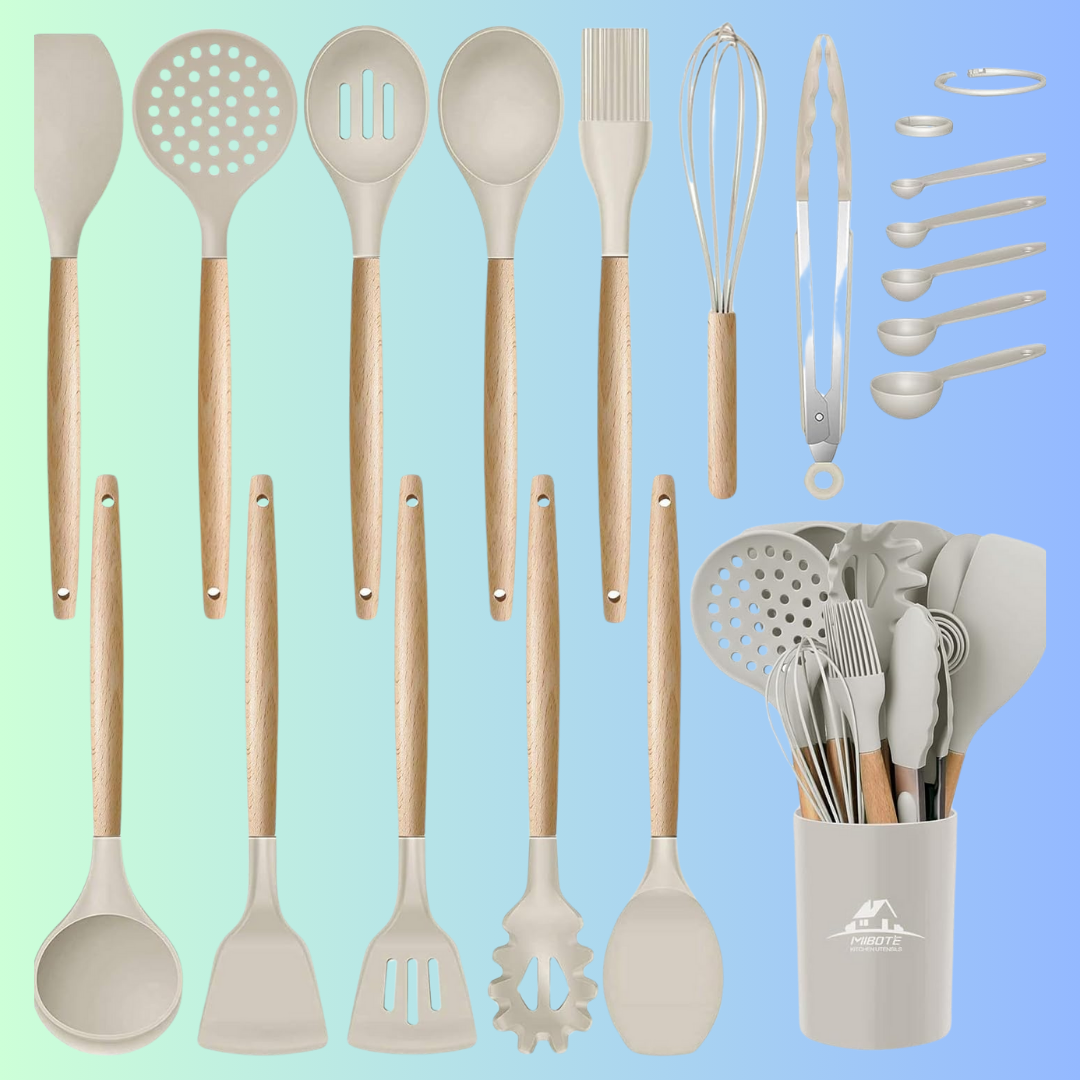
Practical buying and use tips
When you decide whether are silicone kitchen tools safe for your kitchen, use these practical rules:
- Buy from reputable brands that label items as food-grade and list temperature limits.
- Avoid products with a strong chemical smell. A faint neutral smell is normal; strong odor can indicate impurities.
- Do not use silicone directly on a hot burner or open flame.
- Replace tools that show cracks, tears, or significant surface degradation.
- Avoid cutting on silicone mats; knives can nick the surface and create places for bacteria.
These tips keep risk low and preserve tool life.
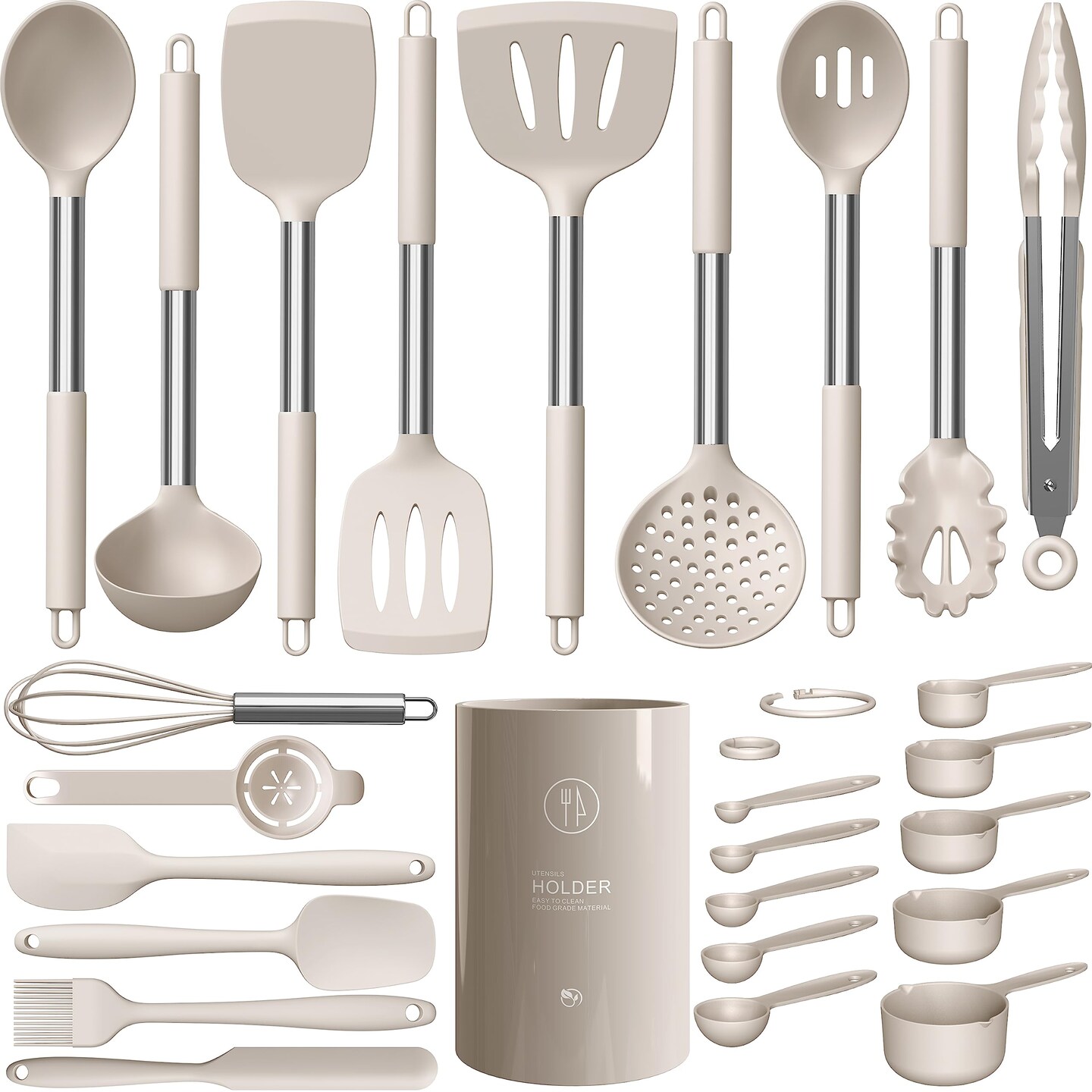
Source: michaels.com
Cleaning, care, and lifetime
Silicone is dishwasher-safe in most cases, but check manufacturer guidance. Hand washing in hot soapy water removes oils and residues that can cause staining. For baked-on grease or odors:
- Boil in water for a few minutes to remove stubborn odors.
- Use a paste of baking soda and water to scrub stains gently.
Replace silicone items that permanently warp or show surface breakdown. Proper care will help answer “are silicone kitchen tools safe long-term?” with confidence.

My experience and lessons learned
I have used silicone spatulas, baking mats, and molds for years in both home and small test kitchens. In regular use, they were easy to clean and never transferred odor or taste to food. I once bought a very cheap silicone pastry mat that discolored and developed a sticky feel after several months. I replaced it with a higher-quality, labeled food-grade mat and never had trouble again.
Lessons learned:
- Spend a little more on labeled food-grade tools.
- Avoid exposing silicone to direct flame.
- Inspect tools regularly for wear and replace when needed.
These hands-on lessons match what labs and food-safety guidance suggest about “are silicone kitchen tools safe.”
Limitations and transparency about uncertainty
No material is perfect. Limitations to note:
- Some low-cost silicone items may contain fillers that reduce safety and durability.
- Research is ongoing about long-term degradation in extreme conditions.
- Individual sensitivity is possible; if you notice irritation or persistent odors, stop using the item.
Being transparent about uncertainty helps you make a cautious, practical choice when evaluating whether are silicone kitchen tools safe for your situation.
PAA-style questions (short answers)
Are silicone utensils safe at high heat?
Yes — food-grade silicone tolerates typical oven and stovetop temperatures when you follow the specified temperature range. Avoid direct flame and temperatures above the product’s rating.
Do silicone spatulas leach chemicals into food?
Proper food-grade silicone shows very low chemical migration in standard tests; risk rises with low-quality materials or overheating. Choose labeled food-grade items to reduce risk.
Can silicone be used on nonstick pans?
Yes — silicone is gentle and won’t scratch nonstick surfaces. Use utensils designed for cookware to avoid scraping and maintain the pan’s coating.
Frequently Asked Questions about are silicone kitchen tools safe
Are silicone kitchen tools safe for baking?
Proper food-grade silicone is safe for baking within the temperature limits stated by the manufacturer, and it won’t react with food.
Can I use silicone utensils on the stovetop?
You can use them on a stovetop if you avoid direct flame and don’t exceed the tool’s heat rating.
How do I know if my silicone tool is food-grade?
Look for explicit food-grade labeling, temperature ratings, and manufacturer transparency about materials.
Will silicone absorb flavors or odors?
High-quality silicone resists flavor and odor absorption, but oils can cling; regular cleaning prevents build-up.
How often should I replace silicone kitchen tools?
Replace tools when they show cracking, tearing, sticky surfaces, or significant discoloration; otherwise they can last for years with proper care.
Are colored silicone tools safe?
Color is safe when manufacturers use colorants approved for food contact; avoid products with unclear labeling or strong chemical smells.
Conclusion
Silicone kitchen tools are generally safe when they are food-grade, used within temperature limits, and properly cared for. Choose reputable products, avoid direct flame, and replace items that degrade. By following these simple rules, you can enjoy silicone’s flexibility, heat resistance, and ease of cleaning without unnecessary risk. Try replacing lower-quality items in your kitchen with labeled food-grade silicone, then share your experience or ask a question below to keep the conversation going.