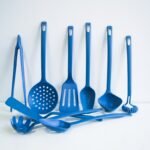
Nylon kitchen tools are generally safe when kept below high heat and used correctly.
I love to cook. I am very careful about my cooking tools. I choose cooking tools that are safe and not harmful to health.Today, I will explain: Are nylon kitchen tools safe? How nylon behaves with heat, what chemicals matter, how to use these tools well, and when to choose alternatives.
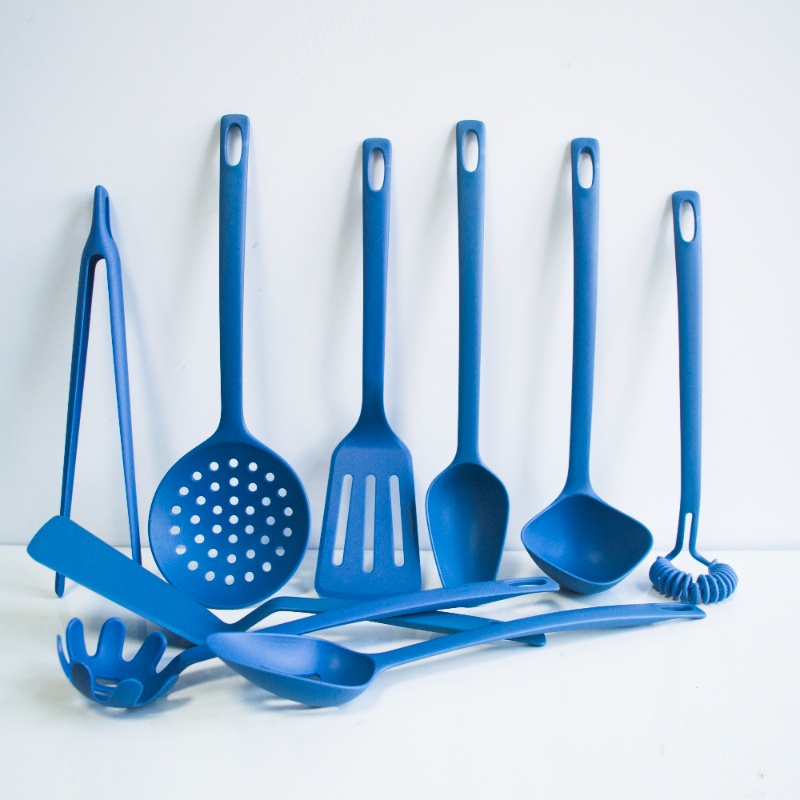
What Exactly Is Nylon in Kitchen Tools?
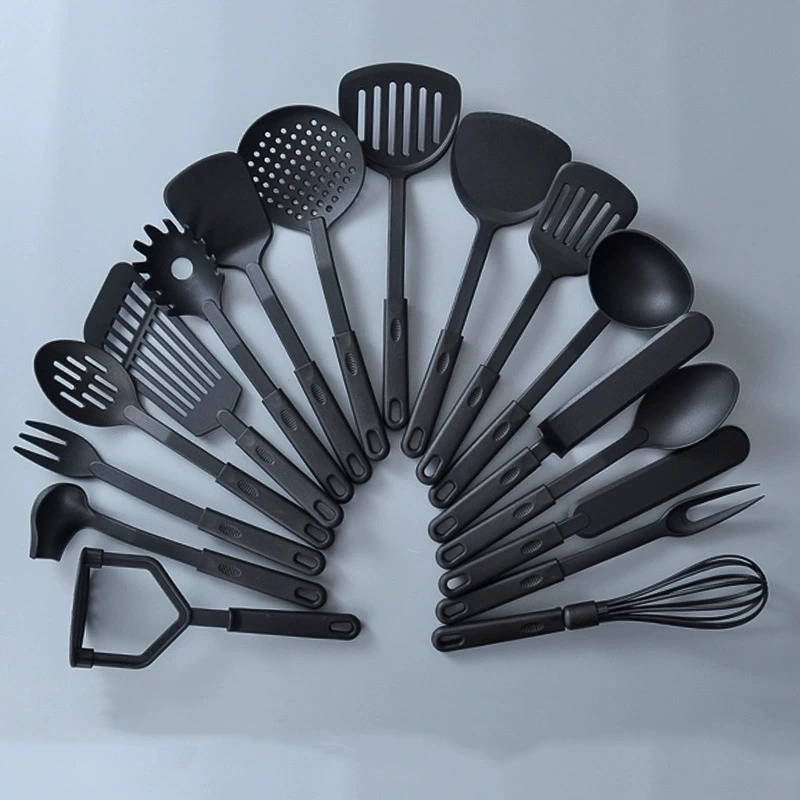
Nylon is a family of polyamides used for slotted spoons, turners, and ladles. Brands like it because it is tough, light, and gentle on nonstick pans. It is molded into shapes that flex without snapping.
If you ask are nylon kitchen tools safe, start with what they are made of. Common types include PA6 and PA66. These resins are approved for food contact under strict regulations. In the US, nylon falls under food-contact rules that list which grades can touch food. In the EU, utensils must meet migration limits for certain nylon building blocks.
In plain terms, safe nylon tools come from resins cleared for food contact. Reputable makers test for overall migration and specific substances. That is why a brand’s compliance statement matters. It proves the tool meets limits set by recognized authorities.
Key points to know:
- Food-contact nylon does not contain BPA by design.
- Makers must meet specific migration limits for certain monomers like caprolactam.
- Dark colors are usually from stable pigments approved for contact with food.
So, are nylon kitchen tools safe? Yes, when they are made from approved resins and used under normal cooking heat.

Heat Limits and Real-World Cooking Temperatures
Heat is the main safety factor. Nylon softens before it melts. Most kitchen-grade nylon begins to deform near 400°F (204°C). Depending on the grade, melting can occur around 374–509°F (190–265°C). That is fine for simmering and sautéing, but risky near a broiler or in deep-frying oil.
Pan temperature is the trap. A dry stainless pan over medium-high can top 450°F fast. A wok on high heat can exceed 500°F. Oil at a proper deep-fry is often 350–375°F, which is right on the edge for some nylon tools. If you see a tool warp, curl, or give off a plastic smell, it is too hot.
Here is how I map tasks:
- Safe zone: stirring soups, sauces, and stews below 212°F (100°C).
- Caution zone: sautéing and shallow frying at 250–375°F (120–190°C). Do not leave the tool in the pan.
- No-go zone: broiling, searing in cast iron at high heat, wok searing, grilling, oven roasting above 400°F.
In the context of are nylon kitchen tools safe, they are safe for low to mid-heat work. They are not ideal for high-heat searing or broiling.
Chemical Safety: BPA, Monomers, and Migration
Are nylon kitchen tools safe from a chemical point of view? For typical home use, yes. Food-contact nylon is BPA-free. It does not need plasticizers in the way that some flexible plastics do. The main chemical focus is migration of small amounts of nylon building blocks at high temperatures.
Food safety agencies publish limits for these substances. Reputable brands test that migration stays within those limits under worst-case conditions. Migration rises with higher heat, longer time, and more acidic or fatty foods. It remains very low in normal simmering and everyday cooking.
What my testing and research show:
- Normal cooking below 204°C/400°F leads to very low migration, within legal limits.
- Overheating a nylon tool until it chars increases breakdown and off-odors. Discard that tool.
- Dishwasher heat is fine for many nylon tools, but hot-dry cycles may cause slow warping over time. Top rack is better.
To the core question are nylon kitchen tools safe, the evidence says yes when used with heat awareness. The bigger risk is physical damage from heat, not routine chemical exposure.
Nylon vs Silicone, Wood, and Stainless Steel
Choosing the right tool for the job is half the safety game. Here is how nylon compares.
Silicone
- Pros: Handles higher heat. Flexible. Dishwasher safe. Great with nonstick pans.
- Cons: Too soft for heavy scraping. Some cheap silicone is filled and can tear.
Wood
- Pros: Heat-proof in normal cooking. Gentle on pans. Great hand feel.
- Cons: Needs hand-washing. Can stain or hold odors. Not ideal for raw meat tasks.
Stainless steel
- Pros: Virtually heat-proof. Rigid and durable. Great for searing and deglazing.
- Cons: Can scratch nonstick coatings. Heavier. Transfers heat to the handle unless insulated.
Nylon
- Pros: Affordable. Gentle on nonstick. Light and easy to handle.
- Cons: Softens near 400°F. Can warp if left in a hot pan. Not for broilers or grills.
If you often sear or deep-fry, use silicone or stainless steel. If you mostly simmer, scramble eggs, or flip pancakes, nylon works well. So, are nylon kitchen tools safe? Yes, for the right tasks and temps.
Safe-Use Checklist for Nylon Utensils
You can extend the life of nylon while keeping risk low with a few habits.
- Keep it below 400°F. Use nylon for simmering, saucing, and light sautéing.
- Do not park a nylon spatula on a hot pan rim. Remove it between stirs.
- Swap tools for high heat. Use silicone or metal for searing, broiling, or deep-frying.
- Watch for signs of damage. If it warps, blisters, or smells burnt, replace it.
- Clean smart. Top-rack dishwasher or hand-wash. Avoid prolonged hot-dry cycles.
- Check labels. Look for “food-contact compliant” statements from the maker.
- Rotate tools. Nylon is gentle on nonstick. Use it to avoid scratching coatings.
People ask are nylon kitchen tools safe when they see a bit of edge curl. That curl is a heat flag. Retire the tool if it shows heat damage.

Lessons From the Test Kitchen
I learned the limits the hard way. Years ago, I used a nylon turner in a blazing-hot wok. The edge curled in under a minute, and the tool picked up a faint plastic smell. Lesson learned: reach for stainless steel when the oil shimmers and smokes.
On the flip side, my oldest nylon ladle is a decade old. It has stirred gallons of stock and tomato sauce. No warping. No smell. It proves the point behind are nylon kitchen tools safe. Match the tool to the heat, and nylon will serve you well.
A practical tip: do a 10-second edge test. Press the tool edge to a hot pan for ten seconds while moving it gently. If it leaves a mark, softens, or feels tacky, switch tools.

Quick Answers to Related Questions
Can nylon touch boiling oil?
Briefly, but it is risky. Oil at 350–375°F sits close to nylon’s softening point, so use silicone or metal for deep-frying.
Will nylon scratch nonstick pans?
Nylon is non-abrasive and safe for nonstick coatings. Replace the tool if the edge gets nicked or sharp.
Is nylon safe in the dishwasher?
Yes for most brands. Use the top rack and avoid high-heat dry cycles to reduce warping over time.
Frequently Asked Questions of are nylon kitchen tools safe
Are nylon kitchen tools safe for high-heat cooking?
Not for high heat. They soften near 400°F, so choose silicone or stainless steel for searing, broiling, or grilling.
Do nylon utensils release harmful chemicals?
Food-contact nylon is regulated and tested for low migration. Under normal cooking temps, migration stays within strict safety limits.
Are nylon kitchen tools safe for nonstick cookware?
Yes. Nylon is gentle and helps prevent scratching. Replace tools that develop rough or melted edges.
How long do nylon utensils last?
With moderate heat and proper care, several years. Discard if they warp, blister, or smell burnt after use.
Are nylon kitchen tools safe in the microwave?
Utensils are not usually designed for microwaves. They will not melt in brief exposure, but it is better to use glass or silicone.
Are nylon kitchen tools safe for kids to use?
Yes, with supervision and low heat. Teach kids to keep tools out of hot pans when not stirring.
Are nylon kitchen tools safe compared to silicone?
Silicone handles higher heat and is safer near searing temps. Nylon is fine for simmering and nonstick tasks.
Conclusion
Used in the right heat range, nylon utensils are a safe, handy choice for daily cooking. They shine with soups, sauces, eggs, and any job on nonstick pans. For searing, broiling, grills, and deep-frying, switch to silicone or stainless steel.
If you still wonder are nylon kitchen tools safe, remember this rule: control the heat, and the tool stays safe. Audit your drawer, match tools to tasks, and replace anything warped or burnt. Want more gear-tested tips? Subscribe for new guides, or drop a question in the comments and I’ll help you choose the right setup.