Allergy tests for dogs find what triggers itching, skin, and ear flare-ups.
If your dog keeps scratching, you want clear answers, not guesswork. This guide explains allergy test for dogs in plain language. I draw on years working with a veterinary dermatology team. You will learn what works, what does not, and how to help your dog feel better fast. Read on to make a smart plan for an allergy test for dogs that fits your pet and your budget.

What is an allergy test for dogs?
An allergy test for dogs helps find substances that trigger a reaction. These triggers can be pollen, dust mites, molds, or even flea bites. Food allergies are different and need a special approach. The test choice depends on your dog’s signs and history.
Most dogs with year-round itching have environmental allergies. Vets often call this atopic dermatitis. An allergy test for dogs will not cure the issue. But it points to a safe plan to manage it long term. This can include avoidance steps and custom immunotherapy.
Signs your dog may need an allergy test
Look for patterns and persistence. If you see these signs, speak with your vet about an allergy test for dogs.
- Itching around face, paws, belly, or armpits that keeps coming back
- Ear infections that return after treatment
- Red skin, hot spots, or hair loss
- Paw licking, chewing, or tail base scratching
- Symptoms that worsen in spring or fall, or stay all year
Rule out other problems first. Fleas, mites, or skin infections can look like allergies. Your vet may treat those before moving to an allergy test for dogs.
Types of allergy tests for dogs
Different tools answer different questions. Here are the main options and when they help.
Intradermal skin testing
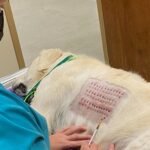
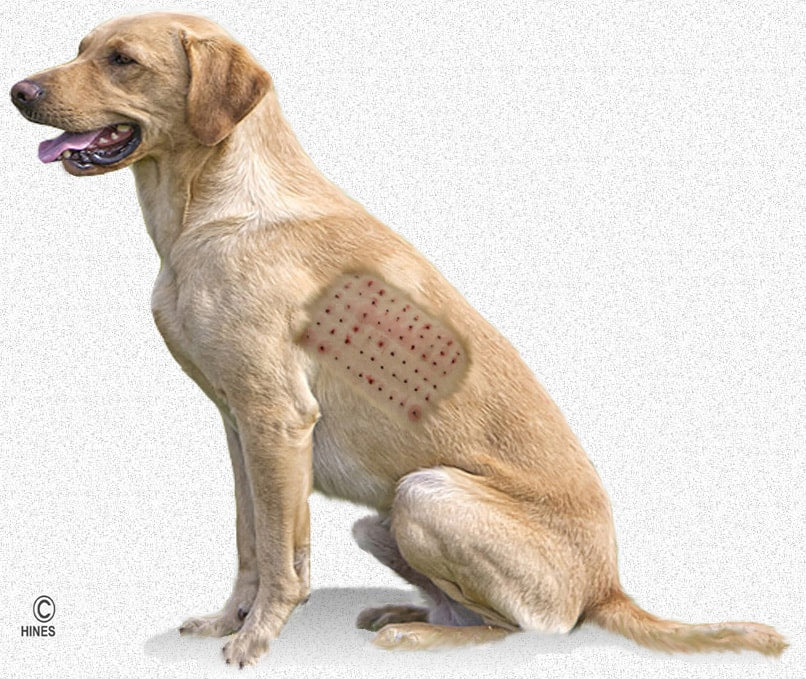
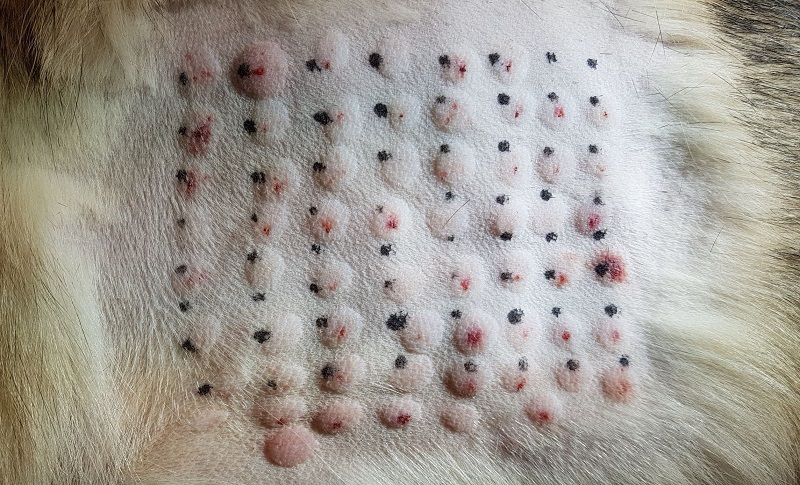
This is the gold standard for environmental allergies. A vet injects tiny amounts of common allergens under the skin. They look for small swellings that show a reaction.
- Pros: Same-day results and high clinical value
- Cons: Needs sedation in most dogs and stopping some meds first
Serum IgE blood testing
This test looks for IgE antibodies to allergens in the blood. It is useful when skin testing is not possible.
- Pros: No sedation and easier for some dogs
- Cons: Variable accuracy and can have false positives
Elimination diet for food allergy
Food allergies need a strict diet trial. Blood or saliva tests for food allergies are not reliable.
- Pros: Best way to confirm a food allergy
- Cons: Needs strict feeding for eight to twelve weeks
At-home hair or saliva tests
These are popular online. Yet studies show they do not match real allergy status.
- Pros: Easy to do
- Cons: Not reliable and can mislead care
Your vet may mix methods. For example, they may run an elimination diet for food issues and use skin or blood tests for pollen or dust. That is a smart way to use an allergy test for dogs across causes.
How vets choose the right allergy test for dogs
A good plan starts with history and a physical exam. Vets ask when the itch started, what seasons are worst, and what treatments helped. They may treat infections and check for fleas first. This prevents false results.
If food is a concern, they start with a diet trial. If seasons or indoor exposure point to pollen or dust, they choose skin or blood testing. Many vets use intradermal testing when they plan immunotherapy. This choice gives better guidance for a custom serum.
An allergy test for dogs should fit your dog’s health and your goals. Your vet will explain trade-offs between cost, speed, and accuracy.

Costs, timing, and results explained
Prices vary by region and case needs. Here are typical ranges in the United States.
- Intradermal skin test: about 300 to 700 dollars
- Serum IgE blood test: about 200 to 400 dollars
- Elimination diet: about 50 to 150 dollars per month for the trial food
- Custom immunotherapy: about 200 to 300 dollars to start and 150 to 250 dollars for refills
Timing also varies. Skin testing gives answers the same day. Blood tests return in one to two weeks. A diet trial needs eight to twelve weeks to judge a response.
Results guide action more than they give a score. A positive to dust mites means we plan dust control. Many dogs react to many items. Your vet will focus on the few that matter most. That is the real value of an allergy test for dogs.
Treatment after an allergy test for dogs
Testing shines when it leads to a clear plan. Use a mix of therapies for the best gain.
- Allergen avoidance: Clean bedding often. Use dust covers. Rinse paws after walks. Keep windows closed during high pollen days.
- Immunotherapy: This is allergy shots or drops made from your dog’s test results. It trains the immune system to calm down. Most dogs improve over six to twelve months.
- Medications: Apoquel or Cytopoint can reduce itch fast. Short steroid courses help flares. Antihistamines help some dogs.
- Skin care: Use gentle medicated shampoos, wipes, and ear cleaners. Omega-3 fatty acids can help skin barriers.
- Flea control: Year-round prevention is essential even if you never see fleas.
The plan is long term. Expect ups and downs, but fewer flares over time. An allergy test for dogs helps you pick the right tools and avoid waste.

How to prepare for an allergy test for dogs
Good prep makes results more clear. Follow your vet’s instructions for meds and timing.
- Stop antihistamines about seven days before skin testing if your vet says so
- Stop steroids earlier when possible, since they can blunt reactions
- Avoid baths for a few days before skin testing unless told otherwise
- Keep flea control up to date
- Bring your dog hungry if sedation is planned
Share all drugs and supplements your dog takes. Your vet will set a safe plan. A smooth test day leads to reliable answers from an allergy test for dogs.
Real-world example: from constant itching to relief
At my former clinic, a young Lab came in with nonstop paw chewing. Spring was the worst. We started a strict elimination diet and saw no change after ten weeks. We then ran intradermal testing, which flagged grass and dust mites.
The family chose immunotherapy and simple home steps. They wiped paws after walks and washed bedding each week. Cytopoint controlled flares while the shots took hold. At six months, the dog’s itch score dropped by more than half. By one year, we scaled back rescue meds. The right allergy test for dogs gave the road map.
Common mistakes to avoid with an allergy test for dogs
Avoid these pitfalls I often see.
- Skipping flea control because you never see fleas
- Relying on hair or saliva tests for food allergy
- Ending a diet trial early or feeding treats that break the trial
- Testing during an active skin infection
- Expecting a cure rather than ongoing management
An allergy test for dogs is a key step, not the whole journey. Pair it with a steady plan and clear goals.
Frequently Asked Questions of allergy test for dogs
What is the best allergy test for dogs?
For environmental triggers, intradermal skin testing guides treatment best. For food allergy, a strict elimination diet is the gold standard.
Do blood tests for dog allergies work?
Blood tests can help when skin testing is not possible. They may have false positives, so vets match results with signs.
Can I test my dog for food allergies with a blood or saliva test?
No. These tests are not reliable for food allergy. Use a vet-guided elimination diet instead.
How long does an allergy test for dogs take?
Skin testing takes a few hours with same-day results. Blood testing takes one to two weeks, and diet trials take eight to twelve weeks.
How much does an allergy test for dogs cost?
Costs vary by area and clinic. Expect a few hundred dollars for testing and more if you choose immunotherapy.
Will allergy shots cure my dog?
Allergy shots retrain the immune system and reduce flares. Most dogs improve, but many still need some supportive care.
Conclusion
You can calm your dog’s itch with the right plan and steady steps. Use an allergy test for dogs to identify real triggers, then pair those answers with smart care. Avoid quick fixes that do not last.
Talk with your vet about the best path for your dog. Start with a clear history, choose the right test, and follow through on treatment. If you found this helpful, share it with a friend and subscribe for more vet-backed guides.