Use a pre-dryer tumble, the right tools, and anti-static laundry steps.
If you share your home with a furry friend, you know the drill. You get dressed, glance in the mirror, and spot a confetti of pet hair clinging to your clothes. Lint rollers help, but not for long. The secret to how to remove pet hair from clothes is a simple system that starts before you wash and ends with smart drying and finishing touches. In this expert guide, I break down proven steps and review top tools that work fast. I’ll also share pro tips I use daily, so you can walk out the door hair-free.
3-Pack Pet Hair Remover Set

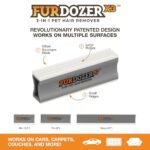
This 3-pack kit gives you three complementary tools for fast fur removal. It includes a scraper-style lint shaver, a fuzz roller, and a compact brush. Each tool attacks hair from a different angle, so you can clear clothes, couches, and car mats. I reach for the scraper on dense fabrics and use the roller for quick touch-ups on tees.
The build feels sturdy for the price. The scraper edge lifts embedded hair without tearing fibers when used with light pressure. The roller is reusable, so you skip waste and refills. The compact brush nests in my entry drawer for last-second swipes before I leave the house.
Pros:
- Three tools target different fabrics and hair types
- Scraper lifts deep, stuck-on fur from heavy knits
- Reusable roller cuts waste and saves money
- Great for clothes, car interiors, and furniture
- Portable sizes for travel and glove compartments
- Fast results on blankets and pet beds
- No batteries or refills needed
Cons:
- Scraper needs a gentle hand on delicate fabrics
- Roller’s performance varies on very short, fine hair
- No storage bag included
My Recommendation
If you want a versatile kit that handles most messes, pick this set. It is ideal for homes with mixed fabrics and heavy shedding. The scraper shines on wool throws, car mats, and couch blankets. The roller and brush handle everyday shirts and leggings. If you ask me how to remove pet hair from clothes on a budget, this is a smart first buy.
Use short strokes, and pull hair with the nap, not against it. Test the scraper on an inside seam first. Keep a light touch on knits and lace. You will see quick wins without snags.
| Best for | Why |
|---|---|
| Mixed fabrics at home | Three tools handle heavy knits, tees, and upholstery |
| Travel and car kits | Compact, no power needed, quick touch-ups |
| Heavy shedders | Scraper lifts hair that rollers miss |
12-Pack Laundry Pet Hair Removers

This 12-pack of laundry pet hair removers works inside your washer or dryer. The discs tumble with your clothes and catch loose hair, lint, and dander. I toss a few into pet bedding loads and see less hair on my casual wear later. You can reuse them, so it is an easy, low-cost upgrade to your routine.
I like them most for pre-wash prep. A short cold tumble with two discs and a damp microfiber cloth knocks away static and loose hair. Then I wash as usual. You can also throw them in the dryer with wool balls. That combo cuts cling and helps how to remove pet hair from clothes at the source.
Pros:
- Works in washers and dryers for hands-off hair removal
- Reusable design reduces waste and cost
- Helps reduce static cling in synthetic blends
- Great for bedding, blankets, and fleece
- Pairs well with wool dryer balls and vinegar rinse
- Simple to use: toss in and run your cycle
- Lightweight and safe on most fabrics
Cons:
- Performance depends on load size and cycle time
- Not a replacement for manual tools on deep-embedded hair
- Can tangle with long strings if laundry is overstuffed
My Recommendation
Pick this 12-pack if you want to automate hair removal in the laundry. It is ideal for busy pet parents who want better results without extra time. It helps remove loose hair before it embeds. For how to remove pet hair from clothes with less effort, this tool is a winner.
Use three to four discs for a medium load. Add a half-cup of white vinegar to the rinse for more anti-static power. Dry with wool balls and a low-heat setting. You will see fewer clingy strands on activewear and fleece.
| Best for | Why |
|---|---|
| Hands-off laundry help | Works during wash and dry without manual effort |
| Large bedding loads | Captures hair that floats off bulky fabrics |
| Static-prone synthetics | Reduces cling when paired with vinegar and dryer balls |
ChomChom Roller (Black)

The ChomChom is a cult favorite for good reasons. It is a reusable roller that uses a fabric-like surface and a baffle to trap hair. You roll it back and forth on clothes, couches, and even car seats. The chamber fills fast, and you empty it with one click.
I love it for quick door checks and TV-time cleanups. It beats sticky rollers on furniture, and it does not need refills. On clothes, it catches short hair that hides in weaves. It is a strong pick if you want one tool that lasts for years.
Pros:
- Reusable and eco-friendly: no sticky sheets needed
- Works well on clothes and upholstery
- Large chamber collects lots of hair fast
- Back-and-forth action boosts pickup on tricky fibers
- Durable build and simple to clean
- Great for last-minute lint checks
- Reliable brand with long track record
Cons:
- Flat seams and tight corners can be hard to reach
- Needs a flat surface to grip well
- Costs more upfront than basic rollers
My Recommendation
If you want a proven, long-term tool, get the ChomChom. It works on coats, sweaters, and furniture without waste. I recommend it as a daily driver for how to remove pet hair from clothes in seconds. Pair it with wool dryer balls for best results.
Use slow, even strokes. Empty the chamber before it fills. Keep it near your entry so you never forget a pass. It earns its place in any pet home.
| Best for | Why |
|---|---|
| Daily quick cleanups | Fast, reusable, no refills or power |
| Furniture and car seats | Grabs hair that sticks to woven upholstery |
| Eco-conscious buyers | Reusable design cuts waste and cost |
Step-by-Step: How to Remove Pet Hair from Clothes
Here is the short version I use every day. I shake and snap clothes outside. I do a 10-minute cold tumble with a damp microfiber cloth and wool balls. Then I wash with a vinegar rinse. I dry on low with wool balls and finish with a ChomChom or a scraper if needed.
This system tackles hair in stages. It breaks static, lifts loose hair, and pulls deep strands. It also keeps your washer and dryer cleaner. You will see a big drop in cling and lint.
Why Pet Hair Clings So Much
Pet hair clings for two main reasons: static and fiber texture. Synthetic fabrics like polyester and nylon trap charge as they rub. Hair sticks to that charge. Oils in dander act like glue and help hair hold on.
Dense fabrics also trap hair in loops. Fleece, velvet, and some knits grab short strands. Smooth cotton releases easier. Knowing your fabric helps you choose the right tool and step.
Pre-Wash Actions That Work
Start with a snap shake outside or on a porch. That removes loose hair before it spreads indoors. Next, run a short, no-heat tumble with a damp microfiber cloth. Add wool dryer balls or your 12-pack laundry hair removers to trap and pull hair away.
This step cuts the hair load before you wash. It reduces lint ring build-up. It lowers the effort you need after drying. It is simple and takes 10 minutes.
Smart Washing Tips
Use cold or warm water, not hot. Hot water can set oils into fabric. Add a half-cup of white vinegar to the rinse. Vinegar helps break static and releases hair.
Do not overload the washer. Overstuffed loads trap hair. Choose a high water level if your machine allows it. Use a gentle cycle for delicates and a normal cycle for cottons.
Drying for Best Results
Dry on low to medium heat with wool dryer balls. You can also use the 12-pack hair remover discs in the dryer. Add a damp microfiber cloth for extra grab. If you use dryer sheets, pick a mild, unscented type.
Clean the lint screen every cycle. Check the dryer’s secondary lint path monthly. Keeping air flowing boosts hair pickup. It also protects your machine.
Fabric-by-Fabric Strategy
Cotton: Tumble with a damp cloth and wool balls. Use a roller after drying. Cotton releases hair well.
Fleece and Sherpa: Use the scraper tool from the 3-pack. Work with the nap. Use slow, short strokes.
Wool and knits: Be gentle. Test the scraper on a seam. Use the ChomChom with light pressure first.
Polyester and activewear: Break static first with a vinegar rinse. Dry with wool balls. Finish with a roller.
Denim: Shake well. Pre-tumble with a damp cloth. Scrape on seams and pockets if needed.
On-the-Go Methods
Carry a mini roller or the small brush from the 3-pack. A piece of masking tape works in a pinch. A damp latex glove rubbed over clothes lifts hair well. A microfiber cloth spritzed with water also helps.
For coats at the office, hang a ChomChom in your locker. Do a quick pass before meetings. You will look sharp in a minute or less.
Grooming and Prevention
Grooming helps more than any tool. Brush your pet daily in shedding seasons. Use a de-shedding comb for double coats. Wipe coats with a damp grooming glove to catch loose hair.
Wash pet bedding weekly. Use a pre-tumble with a damp cloth and wool balls. Cover sofas with washable throws. These steps cut the amount of hair on your clothes.
Washer and Dryer Maintenance
Clean your washer’s seal and drain filter every month. Hair gathers here and returns to clothes. Run a monthly hot cleaning cycle with a washer cleaner. This keeps the drum free of residue.
Clean the dryer vent path two times a year. Lint and hair reduce airflow. That lowers hair pickup and is a fire risk. Good airflow means better results.
Common Mistakes to Avoid
- Overloading the washer or dryer
- Skipping the pre-tumble step
- Using only sticky rollers and nothing else
- Ignoring lint screens and vent paths
- Using high heat that sets oils and static
Simple Weekly Routine
Day 1: Groom your pet. Snap and shake your most-worn clothes. Pre-tumble lint-prone items. Wash with a vinegar rinse.
Midweek: Use the ChomChom on coats and bags. Spot-clean your sofa with the 3-pack scraper. Keep a mini tool in your car.
Weekend: Wash throws and pet bedding. Clean the washer seal and lint screen. Check the dryer vent path.
How to Remove Pet Hair from Clothes Without a Dryer
Use a damp microfiber cloth and a flat surface. Lay the garment out. Wipe in one direction with light pressure. Follow with a reusable roller. Hang to air-dry. This method keeps shape and reduces static.
Delicate Fabrics and Special Care
Silk, chiffon, and lace need a soft touch. Skip scrapers. Use a low-tack roller or a piece of microfiber lightly dampened. Lay flat and dab. Let air-dry away from heat.
For suits and wool coats, use the ChomChom or a clothes brush. Brush in one direction. Store in garment bags to keep hair off between wears.
How to Choose the Right Tool
Ask what fabrics you wear most. For fleece and heavy knits, a scraper tool is gold. For daily shirts and coats, the ChomChom is hard to beat. For laundry automation, pick the 12-pack discs.
Build a small kit: a reusable roller, a scraper, and wool balls. That combo handles more than 90% of cases. It is my personal setup at home.
Eco and Budget Tips
Reusable rollers and tools save money over time. Wool dryer balls last for years. Vinegar is cheap and reduces static. Washable throws protect sofas and cut cleaning time.
Skip single-use sheets when you can. Use a damp cloth and the 12-pack discs instead. Your results will still shine.
Troubleshooting Stubborn Hair
If hair still clings, repeat the pre-tumble step. Add one more damp microfiber cloth. Increase tumble time to 15 minutes. Then wash with a vinegar rinse and a high water level.
After drying, use the scraper for dense fabrics. Use the ChomChom for weaves and seams. Work in short, even strokes. You will see progress, fast.
Seasonal Shedding Plan
Spring and fall mean heavy shed for many breeds. Increase grooming to daily. Wash bedding twice a week. Keep your 3-pack scraper by the door and the ChomChom near the couch.
Run a vent cleaning in peak shed months. Hair load jumps, and airflow matters more. These simple steps stop piles before they start.
The Short, Proven Checklist
- Shake outside
- Pre-tumble cold with damp cloth and wool balls
- Wash with vinegar rinse
- Dry low with wool balls or laundry discs
- Finish with a ChomChom or scraper
FAQs Of how to remove pet hair from clothes
Can vinegar really help with pet hair removal?
Yes. Vinegar in the rinse reduces static. Less static means less cling. It also helps release hair from fibers.
What is the fastest way before I leave the house?
Use a ChomChom or a reusable roller. Do one slow pass. Check sleeves and seams. You are done in under a minute.
How do I handle fleece and Sherpa?
Use a scraper tool with light pressure. Work with the nap. Pre-tumble with a damp cloth first. This avoids pilling and snags.
Can I put pet hair removers in any washer?
Most HE and standard machines are fine. Do not overload. Check your manual for loose items. Clean the drain filter regularly.
Do dryer sheets work better than wool balls?
They reduce static fast, but they add waste. Wool balls last longer. Use them with a damp cloth for similar results.
Final Verdict: Which Should You Buy?
Choose the ChomChom Roller if you want a long-lasting, fast tool for daily touch-ups. Pick the 3-Pack Pet Hair Remover Set if you need deep cleaning on many fabrics. Use the 12-Pack Laundry Removers to automate how to remove pet hair from clothes in the wash.
My top everyday pick is the ChomChom, backed by the 12-pack discs for laundry. Add the 3-pack when you face heavy fleece or couch throw duty.