Run a vinegar-water cycle, scrub removable parts, rinse well, and descale monthly.
One day, my morning coffee tasted so bitter I almost couldn’t drink it. I thought something was wrong with my beans, but the real issue was my machine. That was the moment I finally learned how to clean a coffee maker the right way. Old oils, minerals, and leftover grounds had built up inside, and they were ruining every cup.
Since then, I’ve cleaned coffee makers in busy cafés and in my own kitchen, and the difference is huge. In this guide, I’ll walk you through the exact steps I use, the simple tools that make cleaning easy, and the small habits that keep your machine safe and your coffee tasting fresh every single morning.
:max_bytes(150000):strip_icc()/6-coffee-maker-components-washed-separately-045ca3f7a9b14ec29aa07f32b3c9555f.jpg)
Why cleaning your coffee maker matters
A coffee maker is a moist, warm place. Oils, mineral scale, and microbes build up fast. That buildup hurts flavor, slows brewing, and can shorten the life of your machine. Learning how to clean a coffee maker is the easiest way to protect taste and gear.
From experience, I see two main culprits: coffee oils and hard water scale. Oils go rancid and add bitterness. Scale blocks water flow and drops brew temp. Both are easy to fix with the steps below.
:strip_icc()/How_to_clean_coffeemaker_0201-Step-01-Clean-With-Vinegar-828dacfe7f974698ad332dac86b70ed8.jpg)
What you need before you start
Gather a small cleaning kit so the job is quick and smooth. Before we dive into how to clean a coffee maker, make sure you have:
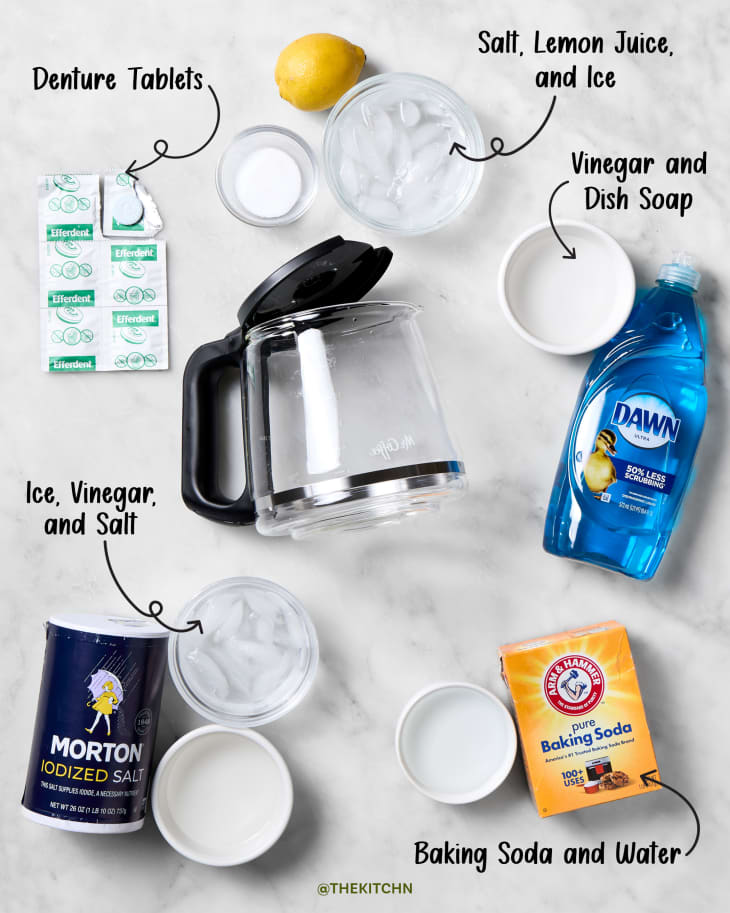
- White distilled vinegar or a branded descaler Good for dissolving mineral scale.
- Citric acid powder A gentle, low-odor option if you dislike vinegar.
- Baking soda Great for scrubbing carafes and stains.
- Dish soap Cuts grease from coffee oils.
- Soft bottle brush and small brush Reaches the basket, spout, and tight parts.
- Microfiber cloth Wipes surfaces without scratching.
- Clean water Prefer filtered water for rinsing and brewing.
Tip from my barista days: assign a small bin for coffee tools only. It saves time and keeps everything sanitary.
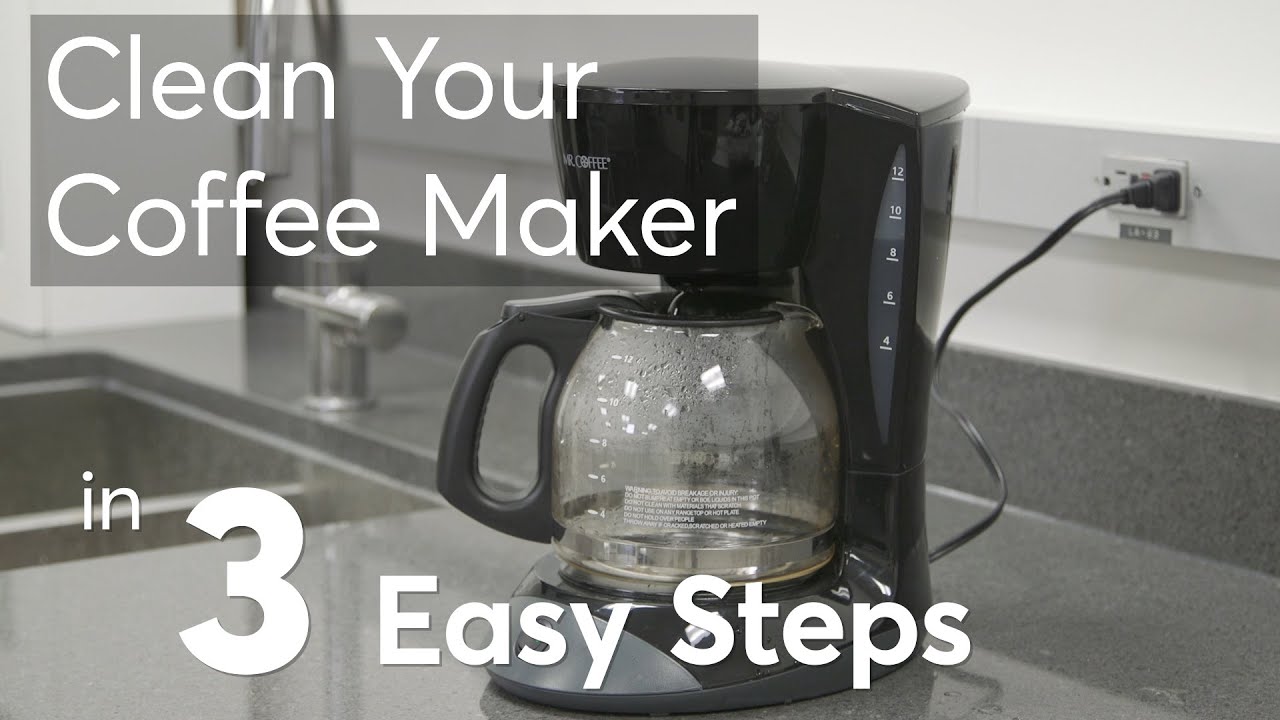
How to clean a coffee maker: drip machines
This is the classic countertop brewer. Here’s how to clean a coffee maker step-by-step.
- Unplug and empty Remove grounds, filter, and water from the tank.
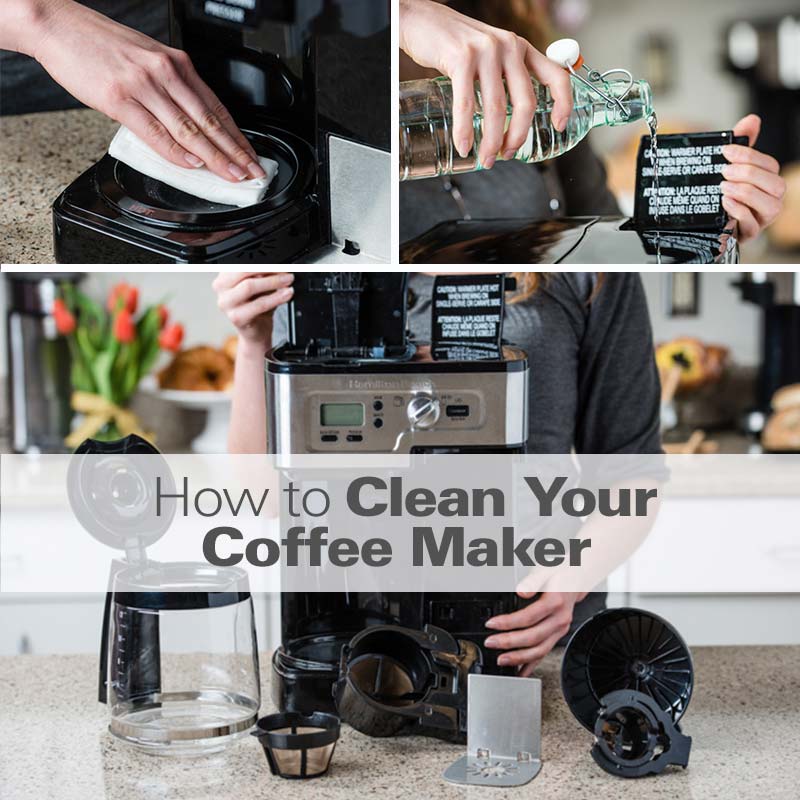
- Wash removable parts Clean the filter basket, carafe, and lid with warm soapy water. Rinse well.
- Mix your descaler For heavy scale, use 1 part vinegar to 1 part water. For light scale, use 1 part vinegar to 2 parts water. Citric acid works too: 1 tablespoon per quart of warm water.
- Run a cleaning cycle Fill the reservoir with your mix. Start a brew. Halfway through, pause for 20–30 minutes so the solution can work. Then finish the cycle.
- Rinse cycles Refill with fresh water and brew two to three full cycles until the smell is gone.
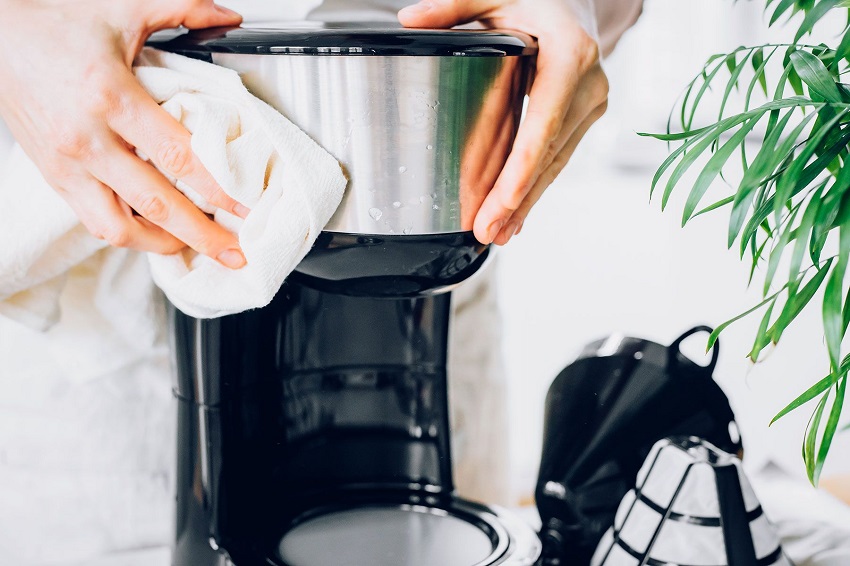
- Wipe and dry Clean the exterior and warming plate. Dry the reservoir with a cloth if you can reach it.
If your machine has a reusable metal filter, scrub it with a brush and a drop of soap. Rinse until it squeaks. That squeak means no oil is left.
:strip_icc()/How_to_clean_coffeemaker_0220-Primary-d0c8d75c767a4d04a5b92b77d6db808c.jpg)
How to clean a coffee maker: single-serve and pod machines
Pod brewers like Keurig need more attention to small parts. The method is similar, but focus on needles and the pod holder.
- Power off and cool Unplug the unit.
- Disassemble Remove the water tank, drip tray, pod holder, and any filter.
- Wash parts Use warm soapy water. Rinse and air-dry.
- Clean the needles Use the machine’s needle tool or a paper clip to clear coffee bits. Be gentle.
- Descale Fill the tank with vinegar-water or citric acid solution. Run several brew cycles without a pod until the tank is empty. Let it rest 20 minutes if scale is heavy.
- Rinse Run two to three tanks of plain water to clear smell and taste.
Knowing how to clean a coffee maker of this type also means changing water filters on schedule. A fresh filter helps prevent scale and odd tastes.
How to clean a coffee maker: espresso machines
Espresso machines have more parts and seals. Always check your manual. Many brands prefer citric acid or a branded descaler over vinegar.
- Backflush if applicable Use a blind basket and a proper espresso detergent to clean internal valves on machines designed for backflushing.
- Clean the group head Brush the group screen and the gasket area after every session.
- Soak the portafilter and baskets Use espresso cleaner in warm water. Rinse well.
- Descale the boiler Follow the maker’s directions for descaling solution, dose, and soak time. Do not rush it.
- Purge steam wand Wipe and purge after each use. Soak the tip in warm water if milk residue dries.
If you want to master how to clean a coffee maker at this level, set a weekly routine. It keeps shots sweet and crema rich.

How to clean a coffee maker: French press and pour-over gear
Manual brewers are simple to clean but easy to neglect.
- French press Disassemble screen and plunger. Soak in warm soapy water. Scrub the mesh with a soft brush. Rinse until all oil is gone.
- Carafes and servers Add 1 teaspoon baking soda, a little warm water, and swirl. Stains lift fast.
- Pour-over drippers Rinse right after brewing. For deep clean, soak in a citric acid bath for 15 minutes, then rinse.
These steps fit the same idea behind how to clean a coffee maker: remove oil, remove scale, rinse well.
Deep descaling and stubborn stains
When taste stays off, scale is the likely cause. Here is a deeper method for how to clean a coffee maker with vinegar or citric acid.
- Heavy scale Fill the tank with a strong mix: 1:1 vinegar to water or 2 tablespoons citric acid per quart. Run a cycle. Pause for 30–45 minutes. Finish the cycle.
- Check the showerhead On drip makers, remove the top spray disk if possible and scrub mineral crust gently with a brush.
- Carafe stains Make a paste of baking soda and water. Spread, wait 10 minutes, then scrub and rinse.
- Odors Add a teaspoon of lemon juice to your rinse water. It clears smells faster.
Do not mix vinegar with bleach. Ever. That creates toxic fumes. Stick to one method at a time.

Cleaning schedule and maintenance checklist
I suggest a simple schedule. It keeps your brewer in top shape and makes how to clean a coffee maker almost automatic.
- Daily Rinse carafe and basket. Wipe the exterior and warming plate.
- Weekly Wash removable parts with soap. Clean the tank lid and spout area.
- Monthly Descale based on your water hardness. Replace any water filter as directed.
- Quarterly Deep clean the spray head, needles, or group screen.
If you see white film, that is scale. If you smell sour notes, that is oil or microbes. Clean right away.
Troubleshooting taste, clogs, and mold
Strange taste or slow flow? Use this quick guide that builds on how to clean a coffee maker.
- Sour or vinegary taste Run more rinse cycles until the smell is gone.
- Bitter or muddy flavor Wash the basket and carafe with soap, not just water.
- Slow brew or dripping Clean the spray head or needles. Descale again if needed.
- Mold spots Empty the tank daily. Let it dry open. Clean with soap and warm water, then rinse.
For very hard water, use filtered water. It lowers scale and improves flavor.
Eco-friendly and safety tips
You can keep things green and safe while you master how to clean a coffee maker.
- Choose citric acid if you dislike vinegar smell It is food-safe and low odor.
- Use microfiber cloths They clean well with little soap.
- Never submerge electric bases Keep water away from wires and heaters.
- Ventilate while descaling Steam can carry strong smells. Open a window.
One last pro tip: label a small squeeze bottle “descaler.” Refill it as needed. You will never put the wrong liquid in your tank again.
Frequently Asked Questions of how to clean a coffee maker
How often should I clean my coffee maker?
Wash removable parts after each brew and descale monthly. If your water is very hard, descale every two weeks.
What is the best method for how to clean a coffee maker with vinegar?
Use a 1:1 vinegar to water mix for heavy scale. Run a brew cycle, let it sit 20–30 minutes, then rinse with two to three fresh water cycles.
How to clean a coffee maker without vinegar?
Use citric acid instead. Mix 1 tablespoon per quart of warm water, run a cycle, rest, and rinse twice.
Can I use baking soda to clean a coffee maker?
Use baking soda for the carafe and exterior only. Do not run it through the machine; it can foam and clog lines.
My coffee still tastes weird after cleaning. What now?
Run extra rinse cycles and replace any water filter. Check the spray head or needles for clogs and clean them with a small brush or the maker’s tool.
Is vinegar safe for espresso machines?
Some brands advise against vinegar due to seals and odor. Use the manufacturer’s descaler or citric acid and follow the manual.
Conclusion
Clean gear makes better coffee. You now know how to clean a coffee maker, remove oil and scale, and set a routine that sticks. Use the steps that match your machine, rinse well, and keep a small kit ready.
Start today. Pick one method and run a quick clean. Then set a monthly reminder. Your coffee will taste brighter, and your brewer will last longer. Want more guides like this? Subscribe, share your questions, or drop a comment with your favorite cleaning tip.