Purifier removes particles; humidifier adds moisture; diffuser disperses scents.
You wake up with a dry throat, a stuffy nose, and stale air. Your search starts: air purifier vs air humidifier vs diffuser. The names blur. The features overlap. Reviews feel vague.
I get it. You want easier breathing, better sleep, and a fresh-smelling home without wasting money. In this guide, I break down what each device does, who needs what, and how to choose the right one for your space. I also review specific models and share practical tips so you can make a smart, stress-free choice.
Ap Airpleasure Air Washer & Aroma Diffuser
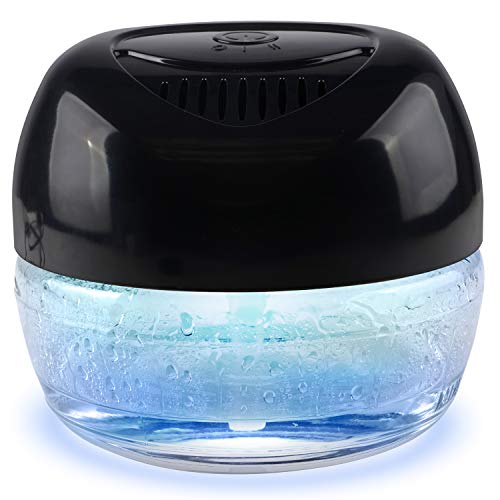
This compact unit blends an air washer with an aroma diffuser and a soft night light. It uses water to capture larger dust and pollen and then adds a gentle scent, if you choose to. The design fits small rooms, desks, and bedside stands. It is a calm and low-maintenance way to freshen the air without the cost of large filters.
As a water-based cleaner, it is not a true HEPA purifier. Yet it can lower visible dust and help rooms feel less stale. If you like mood lighting and light fragrance, this checks both boxes. It suits renters and dorm rooms where space is tight and noise needs to stay low.
Pros:
- 2-in-1: air washing plus optional aromatherapy
- Night light for a cozy bedroom vibe
- Simple upkeep with water changes instead of pricey filters
- Quiet running for desks, nurseries, or study spaces
- Helps reduce visible dust and odors in small areas
Cons:
- Not a HEPA air purifier; limited fine particle removal
- Coverage best for small rooms only
- Requires frequent cleaning to avoid bacteria growth
My Recommendation
Choose this if you want light dust control plus scent in a compact device. It is not a substitute for a HEPA purifier, but it shines as a diffuser with air washing. If you are stuck between an air purifier vs air humidifier vs diffuser, this leans toward diffuser plus light air cleaning. It is ideal for a bedside table or home office where calm fragrance matters.
| Best for | Why |
| Aromatherapy lovers | Adds scent while lightly freshening air |
| Small bedrooms or desks | Quiet, compact, and simple to place |
| Budget-friendly refresh | No expensive HEPA filters to replace |
Goldtech HEPA Air Purifier & Humidifier Combo

The Goldtech combo is designed for small rooms up to about 200 square feet. It couples an H13 True HEPA filter for particles with a 500 ml humidifier tank to add moisture. This is a smart choice for dry climates or heated rooms where the air gets harsh in winter. WiFi controls and a gentle LED light round out the feature set.
H13 HEPA filtration targets fine particles like pollen, smoke, dust, and pet dander. The humidifier can ease dry throat, itchy skin, and static. Together, they create a comfortable sleep zone. If you want one machine that tackles dryness and airborne particles, this is a solid, space-saving pick.
Pros:
- True HEPA H13 for reliable fine particle capture
- Built-in humidifier for better comfort in dry seasons
- WiFi smart control for schedules and remote tweaks
- Compact footprint for bedrooms, nurseries, and home offices
- LED light option for gentle nighttime use
Cons:
- Best suited to small rooms (up to ~200 ft²)
- Humidifier tank may need frequent refills
- Ongoing cost for HEPA filter replacements
My Recommendation
I recommend this if you struggle with dust or pollen and also feel the air is dry. Between an air purifier vs air humidifier vs diffuser, this delivers the first two in one compact body. It brings comfort and cleaner air without extra cords or floor space. It is ideal for bedrooms where both moisture and particle control matter.
| Best for | Why |
| Allergy and asthma relief | H13 HEPA captures pollen, dust, and dander |
| Dry climate comfort | Humidifier eases dry throat and skin |
| Small bedrooms and nurseries | Quiet, compact, and smart schedules |
Air Purifier vs Air Humidifier vs Diffuser: The Practical Guide
The phrase air purifier vs air humidifier vs diffuser shows up in searches for a reason. These devices overlap in goals but act in different ways. The right pick depends on your air, your home, and your body. Start with your problem first. Then match the tool to the task.
Here is the simple rule. If your air has particles like dust, smoke, or pollen, an air purifier is the fix. If your air is dry and harsh, a humidifier helps. If your room smells stale and you want calm scents, a diffuser is fine. Some people need two of these. Some need all three in different rooms.
What Each Device Does
Air purifier: Pulls air through filters to remove particles. HEPA filters capture tiny bits like smoke, pollen, dust, and pet dander. Many purifiers also have carbon to reduce odors. Good models list CADR (Clean Air Delivery Rate) and room size coverage. A purifier does not add moisture.
Air humidifier: Adds water vapor to the air. This raises relative humidity (RH). The sweet spot is about 40–50% RH for comfort. It can help dry throat, nosebleeds, dry skin, and static. It does not remove particles. It works best with clean water and regular cleaning to avoid germs or mineral “white dust.”
Diffuser: Disperses essential oil mist. It changes scent and mood but does not clean air or add lasting humidity. Many diffusers are ultrasonic. You add water plus a few drops of oil. Be careful with pets, babies, and people with asthma. Some oils can trigger symptoms.
When You Need A Purifier
Do you wake with a stuffy nose? Do you see dust on shelves a day after cleaning? Do you sneeze around pets? If yes, a purifier is your first step. Pair it with a vacuum that has a HEPA bag or filter. Keep doors and windows shut during high pollen or smoke events. Place the purifier near your bed at night for best results.
Look for H13 or H14 HEPA. Check CADR numbers. Match the unit to your room size or go larger for faster cleaning. A quiet sleep mode helps. Smart features can schedule high fan speeds when you are away. I like to check filter costs. Plan for a new filter every 6–12 months, depending on use.
When You Need A Humidifier
Heated winter air can drop indoor humidity below 25%. That dries your nose and skin. A humidifier brings it back to a comfy middle. Use a simple hygrometer to watch RH. Aim for 40–50%. Go above 60% and dust mites and mold can thrive.
There are two main types. Ultrasonic is quiet and efficient, but it can spread minerals from tap water as white dust. Evaporative uses a wick and fan. It self-limits humidity and does not mist, but the fan is audible and wicks need replacement. Clean both types often. Empty tanks daily. Deep clean weekly.
When You Need A Diffuser
Sometimes you just want a cozy scent. A diffuser is perfect here. It can set a mood or help you unwind. But it should not replace an air purifier if you have allergies or smoke nearby. If you share your home with cats, dogs, or babies, talk to your vet or pediatrician before diffusing oils. Some oils are not safe for pets or infants.
Short sessions are best. Use 2–3 drops at first. Do not run it all night in a closed room. Vent your space daily. Stick with high-quality oils and clean the device per the manual.
Comparing Results: air purifier vs air humidifier vs diffuser
The air purifier vs air humidifier vs diffuser debate is about outcomes. Purifiers improve air quality metrics. You will see less dust and sneeze less. Humidifiers improve comfort metrics. Your skin and sinuses feel better. Diffusers improve mood metrics. Your space smells nice and feels calmer.
These outcomes are not the same, and one device cannot do all three well. Combo units, like the Goldtech, get close by doing two: cleaning particles and adding moisture. If you need a pleasant scent too, add a separate diffuser. That way you keep filtration strong while using oils only as needed.
Health and Safety Notes I Follow
I base my advice on leading health guidance. For particles, HEPA is the standard. For smoke and wildfire season, run your purifier on higher speeds and keep windows closed. For humidity, keep RH between 40–50% for comfort. Over 60% can promote mold and mites. Under 30% can irritate the airway.
Clean humidifiers and water-based air washers often. Stagnant water can let germs grow. Always use the manual’s cleaning steps. If you use essential oils, do it with care, especially around pets and kids. Some oils can trigger asthma. When in doubt, skip oils and use a carbon filter purifier for odors.
How to Size Your Device
Room size matters a lot. For purifiers, check CADR and coverage in square feet. A good rule is to choose a purifier that can do at least 4.8 air changes per hour (ACH) in your room. For a 200 ft² room with an 8 ft ceiling, that is about 1,600 cubic feet. Match CADR to that volume for faster refresh.
For humidifiers, match tank size and output to your room and climate. A 500 ml tank can last a night at low mist but may need refills on high. Evaporative models can be better for nurseries as they avoid fine mist, but they can be louder. Use a hygrometer so you do not overdo it.
Costs Over Time
Purifiers: plan for filters every 6–12 months. Carbon filters may need more frequent replacement if odors are strong. Higher fan speeds clean faster but can add noise and power use. Look for Energy Star ratings if you run a unit 24/7.
Humidifiers: the main cost is cleaning time and possible wick or cartridge replacements. Distilled water reduces mineral dust but adds a small cost per gallon. A weekly deep clean is key. If you hate maintenance, pick a simple model with easy-to-clean parts.
Placement Tips That Work
For purifiers, think airflow. Keep them a foot from walls and furniture. Close doors and windows for best results. Put it in the room where you spend most time, often the bedroom. Aim the clean air toward your breathing zone.
For humidifiers, keep them on a stable, water-resistant surface. Do not aim mist at walls or windows to avoid condensation. Keep cords tidy and out of reach of kids or pets. Use a tray or mat to catch drips during refills.
Noise and Sleep
Air purifiers can act as white noise. Many people sleep better with a steady fan sound. Diffusers are usually very quiet. Ultrasonic humidifiers are quiet too but can gurgle at times. If you are a light sleeper, place the unit a few feet from your head and use night modes or dim lights.
Seasonal Strategies
Winter: Run a purifier to handle indoor dust and a humidifier to ease dryness. Check RH levels often as heating cycles change. Clean filters and tanks more in winter.
Spring: Pollen season means a purifier earns its keep. Keep windows closed on high pollen days. Change HVAC filters on time. Consider a pre-filter for large pollen grains.
Summer: If you use AC, indoor RH may sit near the sweet spot. You may not need a humidifier. A diffuser can add a fresh, light scent, but avoid overuse in heat.
Fall: Dust rises when you start heating. Consider deep cleaning vents and running your purifier on medium for a few days. Watch humidity as cold snaps arrive.
Kids, Pets, and Sensitive Users
For babies and kids, keep RH near 40–50% and clean humidifiers often. Avoid hot steam units due to burn risk. Choose purifiers with sealed HEPA and low off-gassing materials. A diffuser is optional and best used sparingly, if at all, around infants.
For pets, HEPA purifiers help with dander and hair. Brush pets often and vacuum with a HEPA machine. Be careful with essential oils; many are not pet-safe. If odor is the main issue, carbon filters help without oils.
Smart Features: When They Matter
App control, air quality sensors, and auto modes help if you forget to adjust settings. Schedules can run a purifier on high while you are out, then quiet at night. WiFi also lets you monitor filter life. If privacy is a concern, pick models with physical controls only.
Common Mistakes to Avoid
- Using a humidifier to fix dust or pollen. It will not.
- Running a diffuser for hours in a closed bedroom. It is not needed.
- Placing a purifier behind furniture. Airflow suffers.
- Ignoring filter changes or tank cleaning. Performance drops fast.
- Skipping a hygrometer. You need to measure humidity to manage it.
Quick Scenarios: Which Device Wins?
Wildfire smoke in summer: Purifier (HEPA + carbon). Diffuser can wait. Humidifier optional if AC dries air.
Dry cough at night in winter: Humidifier. Consider a purifier if you also have dust or pet dander.
Musty office that smells stale: Purifier with carbon. Light diffuser use if safe for coworkers. Better cleaning and ventilation help most.
Allergy to spring pollen: Purifier. Keep windows closed. Shower at night to remove pollen from hair. Wash bedding often.
You just want a spa vibe: Diffuser. Be mindful of pets, kids, and sensitivities. Do not overuse.
Why The Combo Can Be Smart
If your top search is air purifier vs air humidifier vs diffuser, a combo purifier + humidifier can be the best of both worlds. You clean the air and add moisture with one plug. That is the appeal of the Goldtech. For small bedrooms, it reduces clutter and keeps things simple. You can later add a separate diffuser for short scent sessions.
Combos are not for everyone. If your room is large, they might be underpowered. If you want the most powerful HEPA or the largest humidifier output, separate devices still win. But if you rent or live in a dorm, a compact combo is a tidy solution.
Maintenance Routines That Keep Air Healthier
Purifier: Vacuum pre-filters monthly. Replace HEPA and carbon as the manual suggests. Wipe the housing. Keep the intake and outlet clear. Mark your calendar for filter changes.
Humidifier: Empty and dry the tank daily. Deep clean weekly with the manual’s method. Use distilled water if white dust shows up. Replace wicks or cartridges on schedule. Keep RH monitored.
Diffuser: Rinse after each oil. Wipe the ultrasonic plate gently. Use only the oil amount suggested. Run it for short sessions. Vent rooms and avoid continuous use.
Final Word on air purifier vs air humidifier vs diffuser
Each device does a different job. The air purifier improves air quality by removing particles that trigger allergies. The humidifier balances comfort and protects your airway from dry air. The diffuser sets a mood and adds fragrance but does not clean air. If you know your main problem, the right choice becomes easy. If you need multiple benefits, a smart combo or a paired setup is the way to go.
FAQs Of air purifier vs air humidifier vs diffuser
Do I need both a purifier and a humidifier?
If your air is dry and dusty, yes. A purifier removes particles; a humidifier adds moisture. They solve different problems and work well together in winter.
Can a diffuser replace an air purifier?
No. A diffuser only adds scent. It does not remove dust, pollen, smoke, or dander. For clean air, choose a HEPA purifier.
What humidity level should I aim for?
About 40–50% relative humidity. This range supports comfort without inviting mold or dust mites. Use a hygrometer to track it.
Are essential oils safe for pets and kids?
Some are not. Many oils can irritate pets or trigger asthma. Talk to a vet or pediatrician before using oils around sensitive people or animals.
Where should I place my air purifier?
In the room you use the most, often the bedroom. Give it space around intakes and keep doors and windows closed for best results.
Final Verdict: Which Should You Buy?
If your core problem is dust, pollen, or smoke, choose a HEPA air purifier. If your air feels dry or harsh, add a humidifier. For scent and mood only, use a diffuser.
For many bedrooms, a combo like the Goldtech is a smart middle path. It solves the air purifier vs air humidifier vs diffuser dilemma by doing two jobs well in one compact unit.