Air purifiers remove airborne particles; humidifiers add moisture. Your needs decide which wins.
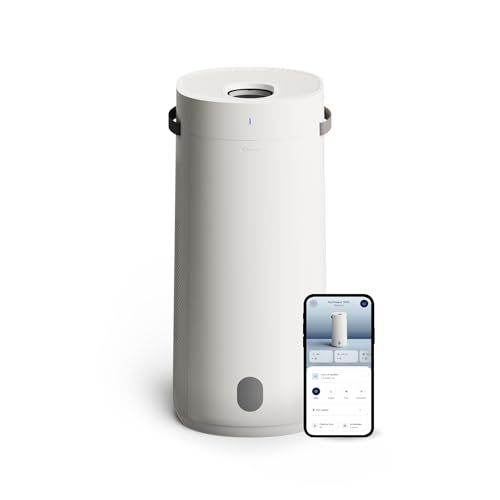

HomBreez Air Purifier & Humidifier Combo
This compact 2‑in‑1 is built for small rooms. It covers up to 200 square feet, which fits a bedroom, nursery, or home office. The H13 True HEPA filter targets dust, pollen, pet dander, and smoke particles. The 500 ml water tank adds gentle moisture with quiet, cool mist.
I like the top-fill design. It makes daily refills fast and clean. The essential oil tray is a nice touch if you enjoy light scents. Noise is low, so it runs all night without fuss.
Pros:
- H13 HEPA for fine particles
- Quiet cool-mist output
- Top-fill 500 ml tank
- Compact and bedroom-friendly
- Essential oil tray for light aromatherapy
- Simple controls for quick use
Cons:
- Best for small rooms only
- Small tank means more refills
- No advanced air quality sensors
My Recommendation
This is a good pick if you want cleaner air and a bit more moisture in a small space. It is great for a baby room or your bedside table. If you are weighing humidifier vs air purifier for a tight budget, this combo gives you both in one device. It is simple to run, quiet at night, and easy to clean.
| Best for | Why |
|---|---|
| Small bedrooms and nurseries | Low noise, H13 HEPA, gentle humidity |
| Budget 2‑in‑1 shoppers | Purifies and humidifies without extra cost or space |
| Aromatherapy fans | Built-in essential oil tray for light scent |
Blueair Purify + Humidify 2‑in‑1
This high-end 2‑in‑1 is made for big areas. The brand’s HEPASilent system blends electrostatic charging with mechanical filtration for fast cleaning at lower noise. The 360° InvisibleMist hydrates the room without wet spots. Coverage claims reach up to 1,726 sq ft in 60 minutes.
I like the top-pour design for easy refills. The controls feel premium and the airflow is strong yet quiet. If your family deals with allergies and dry air, this single unit can simplify your setup. It costs more, but the performance can save space and stress.
Pros:
- Large-room coverage
- HEPASilent for high CADR with low noise
- 360° humidification without damp surfaces
- Top-pour refills are fast
- Premium build and design
- One device to clean and moisten air
Cons:
- Higher price than small combos
- Filters and consumables can add cost
- Larger footprint than a compact unit
My Recommendation
Choose this if you want a high-output, low-maintenance, 2‑in‑1 for a large room or a small apartment. It makes sense if you compare humidifier vs air purifier and end up wanting both, but do not want two boxes. It is strong, quiet, and refined. It is a smart upgrade for families with allergies in dry climates.
| Best for | Why |
|---|---|
| Open living areas | High CADR and wide coverage |
| Allergy and asthma support | Efficient particle removal at low noise |
| One-device convenience | Purifies and humidifies in a single footprint |
Humidifier vs Air Purifier: What Each One Actually Does
Think of an air purifier as a vacuum for the air. It traps dust, pollen, smoke, and other tiny bits that you do not want to breathe. The best units use HEPA or advanced hybrid tech. They pull in dirty air, filter it, and push out cleaner air.
A humidifier is different. It adds water vapor to dry rooms. This can calm dry skin, soothe a scratchy throat, and ease sinus pain. It does not remove pollutants. It fixes dry air. That is the core idea behind humidifier vs air purifier.
Which One Should You Buy First?
Start with an air purifier if you have allergies, asthma, or pets. You will feel the difference during wildfire smoke, pollen spikes, or dust storms. A purifier helps day and night, year-round.
Start with a humidifier if your home is dry. This is common in winter with the heat on or in desert climates. A humidifier can reduce static shocks, dry eyes, and chapped lips. In the humidifier vs air purifier debate, dryness points to humidity first.
When You May Need Both
Many homes need both. The purifier removes particles that harm your lungs. The humidifier brings indoor humidity back to a healthy range. Together, they make air feel soft and clean.
This combo is helpful for kids, older adults, and anyone with sinus or skin issues. The key is balance. Do not over-humidify. Aim for 30 to 50 percent relative humidity to avoid mold risk.
Key Benefits of Air Purifiers
- Cut allergens like pollen and pet dander
- Reduce smoke, odor, and fine particles
- Support asthma and allergy management
- Lower dust on furniture and floors
- Work year-round for cleaner air
Key Benefits of Humidifiers
- Ease dry throat, cough, and sinus pressure
- Calm dry skin and lips
- Reduce static shocks and cracking wood
- Help babies and older adults sleep better
- Support comfort in heated homes
Health Notes You Should Know
Medical groups say HEPA purifiers can help reduce airborne allergens. They may also help during smoke events. That matters for asthma control. Low humidity can irritate airway tissue and skin. Raising it helps comfort and sleep.
Too much humidity can lead to mold and mites. Keep it between 30 and 50 percent. Use a simple hygrometer. It costs little and guides your settings. This keeps the humidifier vs air purifier plan on track.
How to Match the Device to Your Room
Size matters. For purifiers, look at CADR or the recommended room size. Higher numbers mean faster cleaning. If you have pets or smoke concerns, size up.
For humidifiers, look at tank size and output rate. Small tanks are fine for bedrooms. Large rooms need bigger tanks or a 2‑in‑1 with strong output. Refill habits matter too. Pick the design that fits your routine.
What to Look for in an Air Purifier
- True HEPA or equivalent efficiency
- Strong CADR for your room
- Low noise in sleep mode
- Filter change reminders
- Sealed design to stop leaks
- Energy-efficient motor
What to Look for in a Humidifier
- Top-fill for fast refills
- Adjustable mist levels
- Easy-to-clean tank and base
- Auto shutoff when empty
- Humidistat or target setting
- Compatible with distilled water or demineralization
Noise: The Real-World Difference
Noise is key for bedrooms. A good purifier in sleep mode is very quiet. Many run softer than a whisper. This helps you rest.
Humidifiers can gurgle or hiss. Ultrasonic models are quiet but may leave white dust if you use hard water. Use distilled water or a filter to stop that. In humidifier vs air purifier, purifiers often win on steady noise control.
Maintenance and Cleaning
Purifiers need filter changes. Follow the schedule from the maker. If you smoke or have pets, you may need to change filters more often. Keep the grill dust-free.
Humidifiers need cleaning every few days. Empty, rinse, and dry the tank. Clean with a mild disinfectant as directed. This prevents slime and mineral build-up. Take care and it will run safe and smooth.
Costs You Should Plan For
Purifiers have filter costs. Plan for a new filter every 6 to 12 months in most homes. High pollution will shorten that timeline. Energy use is often low.
Humidifiers use water and may need treatment cartridges. You may also buy distilled water. The cost is modest but real. When you compare humidifier vs air purifier, factor in upkeep, not just purchase price.
Safety Tips That Matter
- Do not over-humidify. Keep RH under 50 percent to reduce mold risk.
- Use distilled or demineralized water to prevent white dust.
- Clean humidifiers often to avoid bacteria and biofilm.
- Check purifier filters for a proper seal to avoid leaks.
- Place both devices on flat, stable surfaces.
Placement and Setup
Give purifiers room to breathe. Do not push them into a corner. Keep the intake and exhaust clear. Avoid blocking them with curtains or furniture.
Place humidifiers near the center of the room or close to the bed for sleep comfort. Do not aim mist at electronics or wood finishes. Use a tray if your surface is delicate.
Can You Use a Humidifier and a Purifier Together?
Yes. It is common and smart when done right. Keep the purifier’s intake out of the humidifier’s plume. This stops water vapor from saturating the filter.
Set the humidifier to a modest target. Think 40 to 45 percent. Use the purifier’s auto mode if available. That balances comfort and clean air. This is the sweet spot in humidifier vs air purifier together.
Do You Need a 2‑in‑1 Combo?
2‑in‑1 units save space and can be easy to use. One plug. One footprint. For small rooms, a compact combo like HomBreez works well.
For big rooms, a premium 2‑in‑1 like Blueair can replace two devices. If you like granular control, separate units still offer flexibility. The right choice depends on your layout and needs.
Common Myths to Ignore
- Myth: Humidifiers clean the air. Fact: They add moisture. They do not remove particles.
- Myth: All purifiers work the same. Fact: Filter type and airflow matter a lot.
- Myth: More humidity is always better. Fact: High humidity can grow mold.
- Myth: Quiet means weak. Fact: Good motors and design can be quiet and strong.
Seasonal Advice
Winter: Use a humidifier to stop dry air pain. Run a purifier to remove indoor dust from closed-up rooms. Clean filters after holiday season if you have pets or guests.
Spring: Allergies spike. A purifier can help more than a humidifier now. Keep humidity moderate. Ventilate on good air quality days.
Summer: If wildfire smoke hits, run your purifier on high with doors and windows closed. Use air conditioning or a dehumidifier if humidity gets too high.
Fall: Dust returns as heating starts. Tune up both devices. Replace filters and clean tanks before the cold sets in.
Choosing by Health Concerns
- Allergies and asthma: Air purifier first. Add a humidifier if the air is dry.
- Chronic sinus irritation: Humidifier can soothe tissue. A purifier helps if pollen or dust trigger you.
- Eczema or dry skin: Humidifier helps your skin barrier. Keep humidity in range.
- Snoring from dry air: Humidifier may help reduce irritation.
- Smoke exposure: Air purifier with HEPA and sealed design is key.
How I Test These Devices at Home
I use a PM2.5 meter to watch particle levels before and after a purifier runs. I time how fast readings drop. I also track filter wear over weeks.
For humidifiers, I use a digital hygrometer. I run the unit for an hour and check how much the humidity rises. I also watch for surface dampness. Then I clean and check for residue or slime. This shows real upkeep needs in humidifier vs air purifier use.
Troubleshooting Quick Tips
- Poor purifier results: Check filter fit, replace filters, and clear obstructions.
- Musty smell: Over-humidification or dirty humidifier. Clean and lower settings.
- White dust: Use distilled water or add a demineralization cartridge.
- Dry nose at night: Move the humidifier closer and raise mist one step.
- Noise too high: Enable sleep mode and place on a solid, level surface.
Ownership Checklists
Weekly purifier tasks: Dust the intake and check the pre-filter if it is washable. Reset after maintenance if the app or screen has that option.
Weekly humidifier tasks: Empty, rinse, and dry daily if possible. Deep clean with a gentle disinfectant once a week. Replace any wick or cartridge as directed.
Budget Planning
Entry-level purifier plus basic humidifier can start under a few hundred dollars total. 2‑in‑1 devices can reduce clutter and sometimes save money versus buying two premium units. Filter and water treatment costs add up over a year.
Track those costs before buying. If you use devices daily, pick models with easy filters and simple cleaning. This saves time and headache later. It also makes the humidifier vs air purifier decision easier.
Smart Features Worth Having
- Auto mode with sensor-based adjustments
- Air quality display and color rings
- Humidistat with target setting
- App control and scheduling
- Child lock and tilt protection
Real-Life Scenarios
Pet owner with allergies: Get a purifier with a strong HEPA filter. Place it in the living room where your pets spend time. Add a humidifier if winter air dries out your nose.
New parents: A quiet 2‑in‑1 by the crib can help sleep. Keep humidity near 40 percent. Use low light and low fan to avoid wake-ups.
Remote worker: A desktop combo like HomBreez can improve comfort and keep your voice clear on calls. Keep a small jug of distilled water nearby for quick refills.
Open-plan apartment: A larger 2‑in‑1 like Blueair can manage the main space. Run it in auto. It is simple and effective.
FAQs Of humidifier vs air purifier
Do I need a humidifier or an air purifier for allergies?
Pick an air purifier first. It removes pollen and dander. Add a humidifier if the air is dry and your throat or nose feels irritated.
Can a humidifier replace an air purifier?
No. A humidifier adds moisture only. It does not remove pollutants. For humidifier vs air purifier, each serves a different job.
What humidity level is best at home?
Target 30 to 50 percent. This range helps comfort and reduces mold risk. Use a small hygrometer to check.
Is a 2‑in‑1 combo better than two separate devices?
It depends on your space and budget. A 2‑in‑1 saves room and can be easier. Separate units give you more control per function.
Will an air purifier help with wildfire smoke?
Yes. A HEPA purifier can reduce PM2.5 from smoke. Keep doors and windows closed. Replace filters as needed during long events.
Final Verdict: Which Should You Buy?
If you fight allergies, dust, or smoke, choose an air purifier first. If your home is dry and you wake with a scratchy throat, buy a humidifier first.
Many homes benefit from both. The humidifier vs air purifier choice is not either-or. Use each tool for its job and you will breathe easier all year.